Peer Support Specialist Roles in Psychiatric Crisis Response
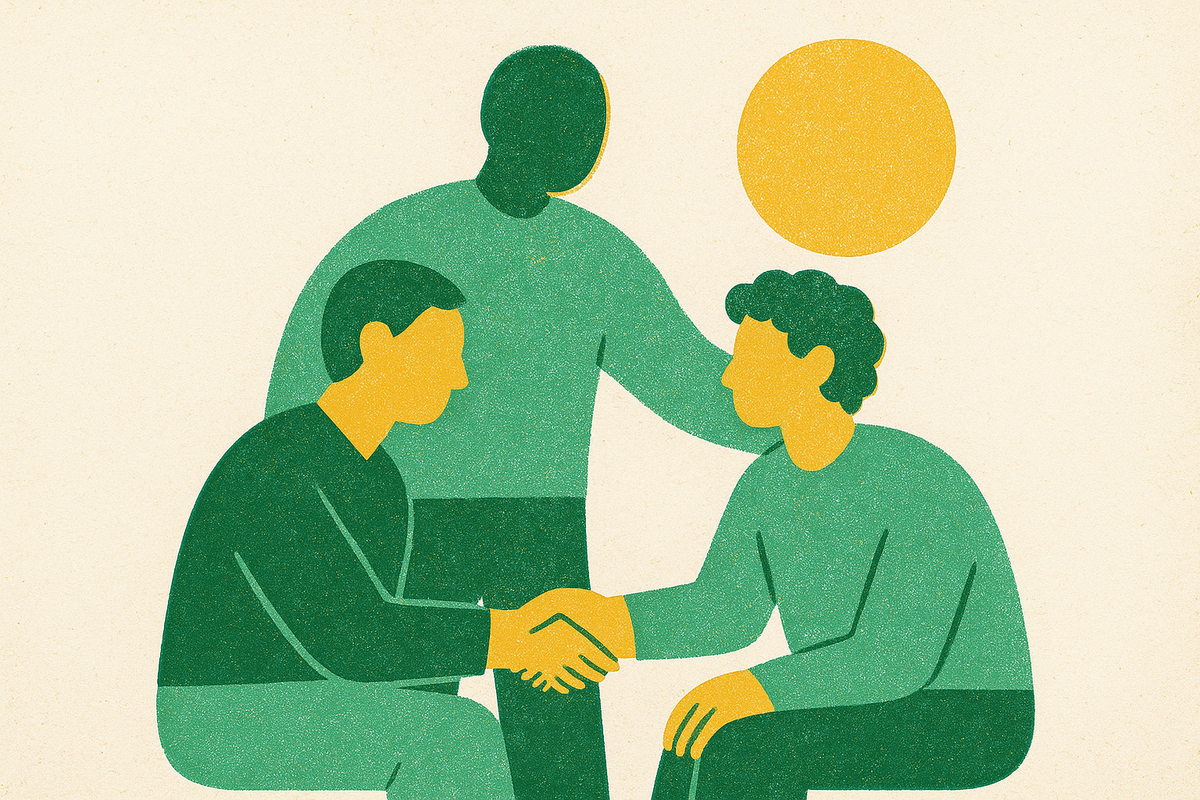
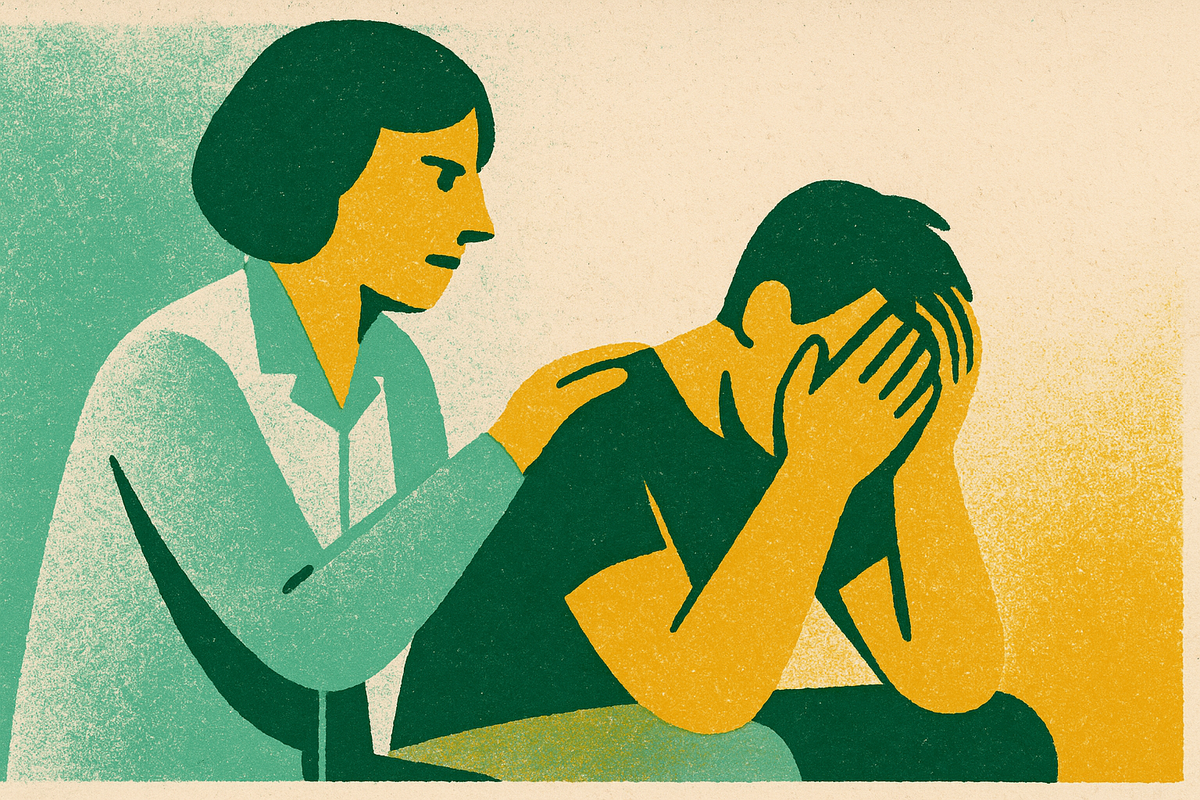
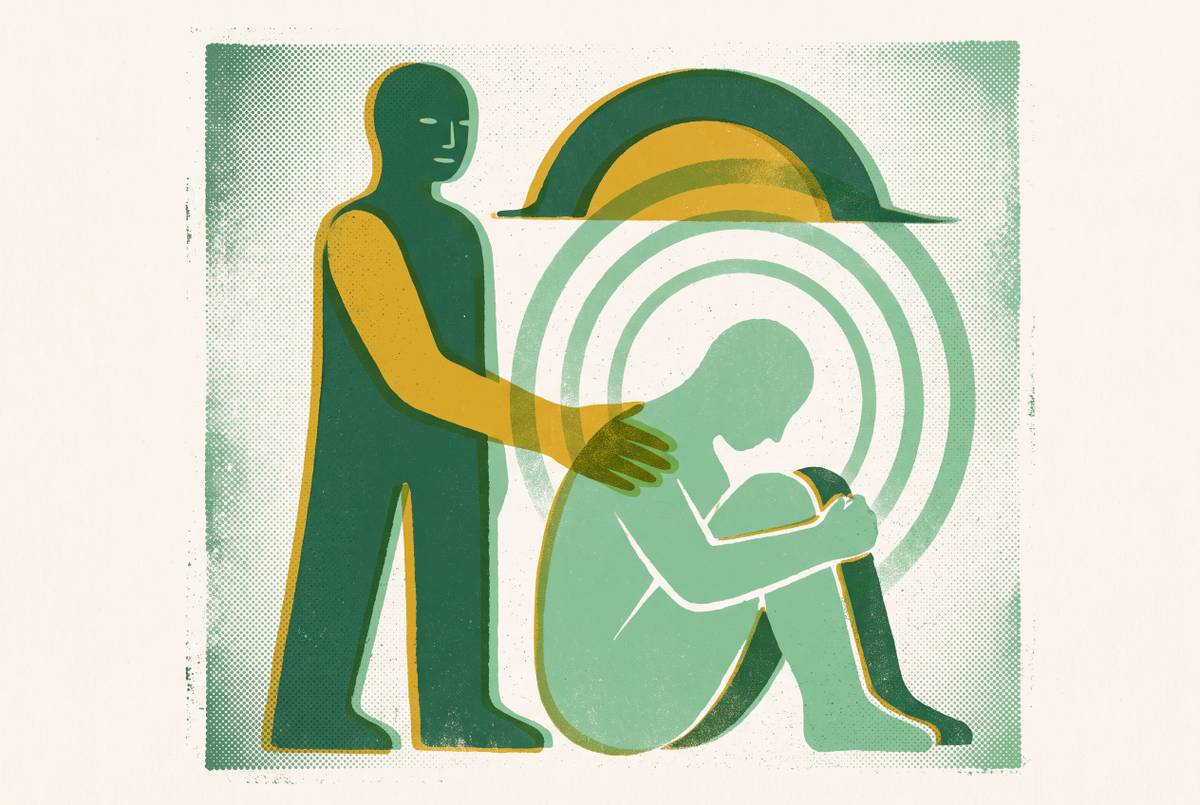
Lived experience in crisis response creates trust that formal services struggle to build.
Marcus Bellantyre
Section
20 stories in Serious Mental Illness.
Lived experience in crisis response creates trust that formal services struggle to build.
Stress has a trigger; anxiety doesn't—and that distinction determines if you need rest or treatment.
Symptom control alone won't restore daily life, even when medication works.
Sleep attacks strike during deep non-REM transitions, not dreams.
Restructuring a person's environment proves more effective than willpower alone.
Duration, impairment, and psychosis—not symptoms—determine if it's mania or hypomania.
Knowing the differences between these two medical crises can prevent dangerous delays in treatment.
A clinical diagnosis requires multiple evidence sources, not a single test.
A breakdown reveals an underlying mental health crisis that demands proper diagnosis, not just rest.
States set vastly different rules for forcing psychiatric care on unwilling patients.
The only antipsychotic proven to reduce suicide risk in treatment-resistant schizophrenia.
Public confusion about schizophrenia delays treatment and fuels stigma rooted in myth, not medicine.
These residential crisis centers cost a fraction of what emergency rooms spend per patient.
Clinicians go to patients instead of waiting for them to show up.
Data shows housing first cuts emergency room visits nearly in half.
People with serious mental illness die 10-28 years earlier, mostly from preventable disease.
Catatonia appears across psychiatric conditions, not just schizophrenia as long assumed.
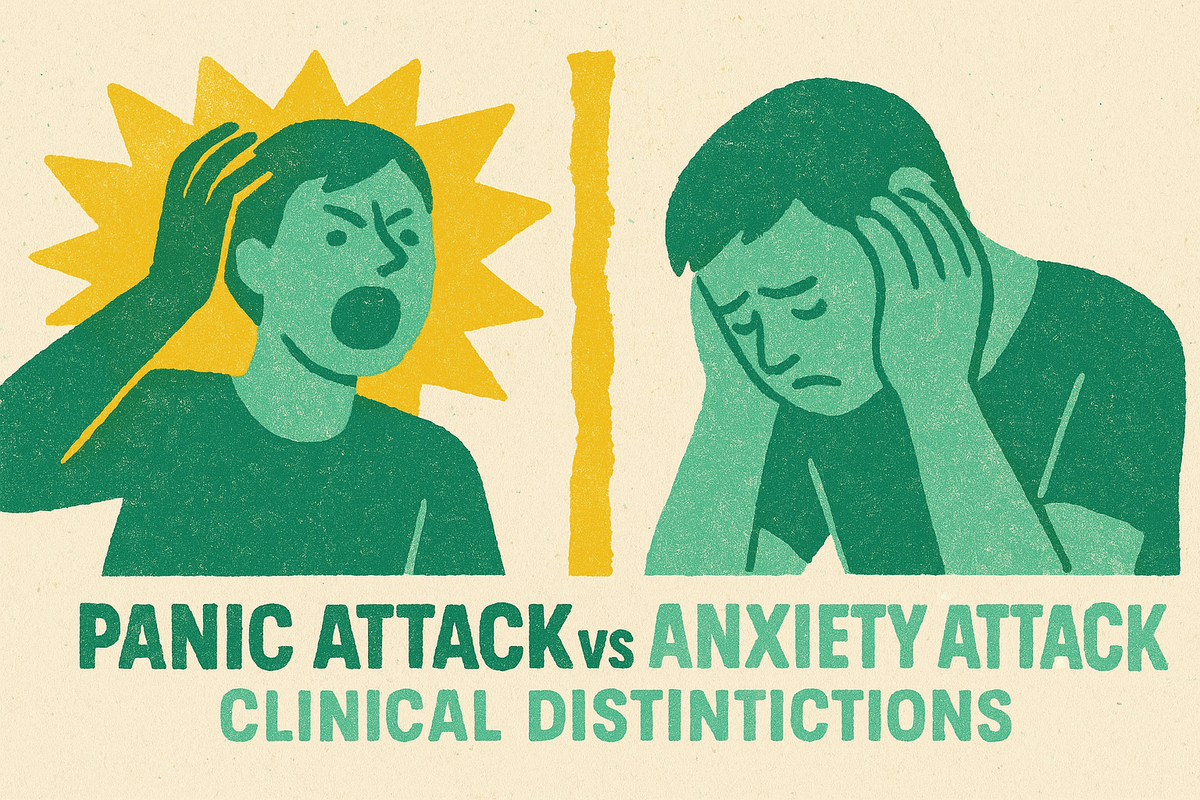
Panic attacks have a clinical definition; anxiety attacks don't—and the confusion costs lives.
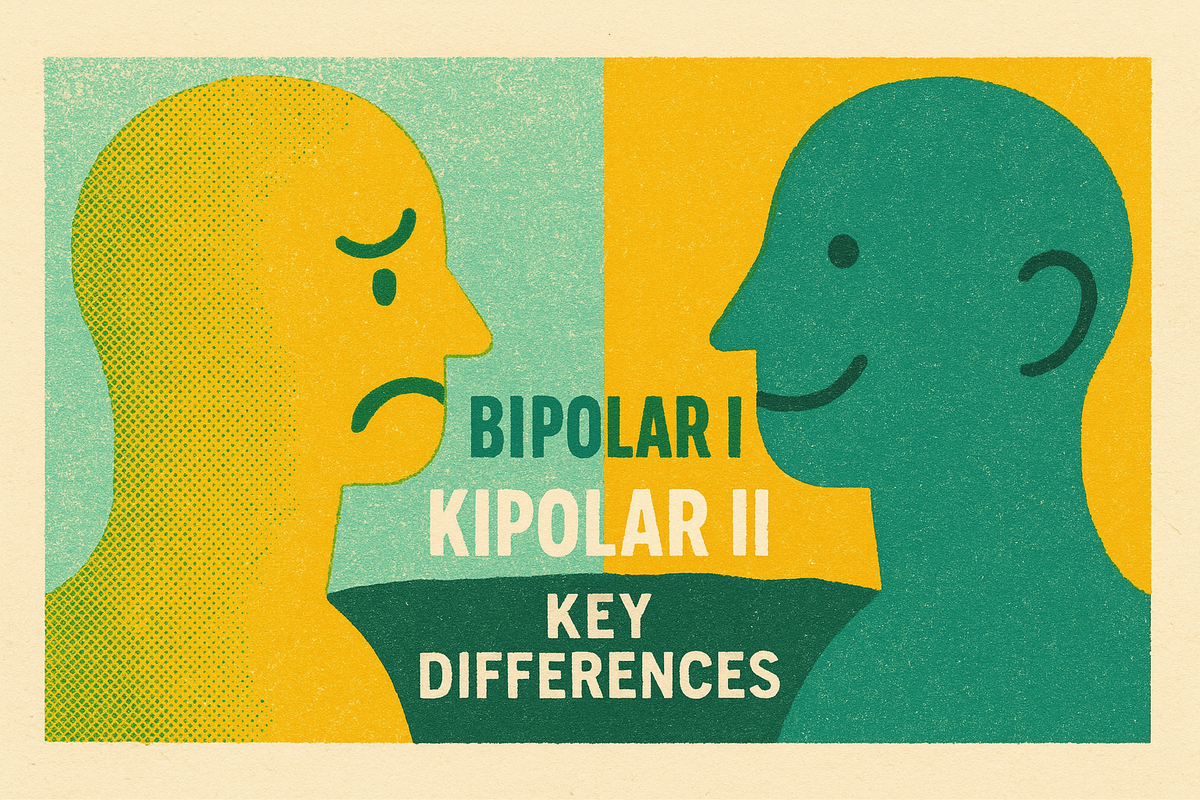
Mania versus hypomania determines diagnosis, risk, and why treatment must differ.
Missed doses and mood episodes, not refusal, drive most treatment dropout in bipolar disorder.