Features
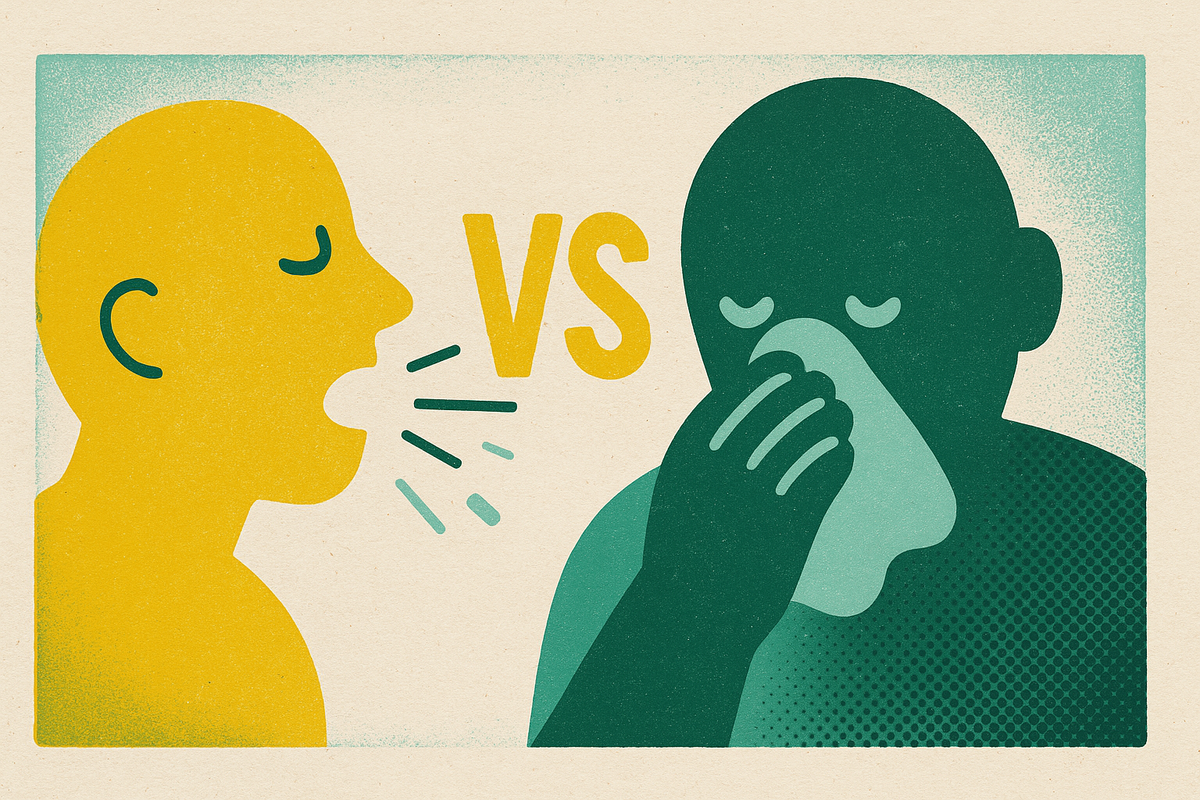
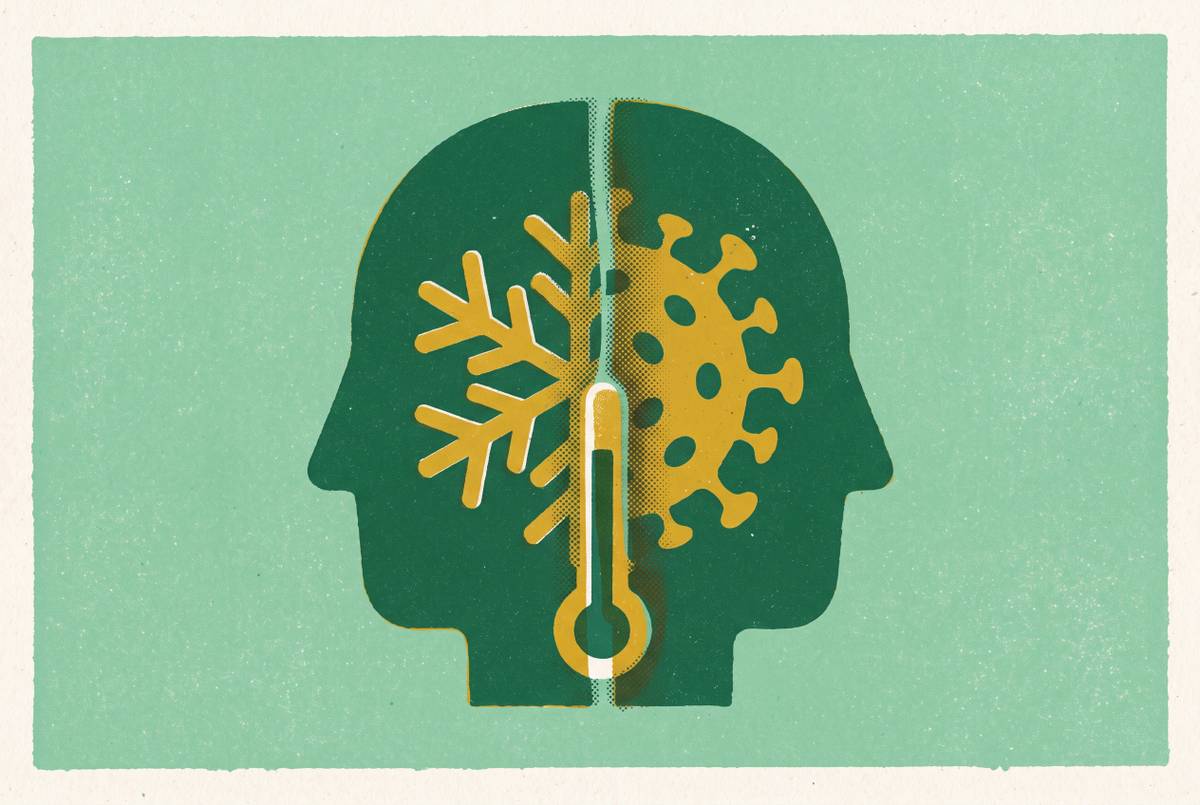
Cold vs Flu in People With Serious Mental Illness
People with serious mental illness face three times the mortality risk from respiratory infections.
Marcus Bellantyre
Columnist · · 12 min read
People with serious mental illness face three times the mortality risk from respiratory infections.
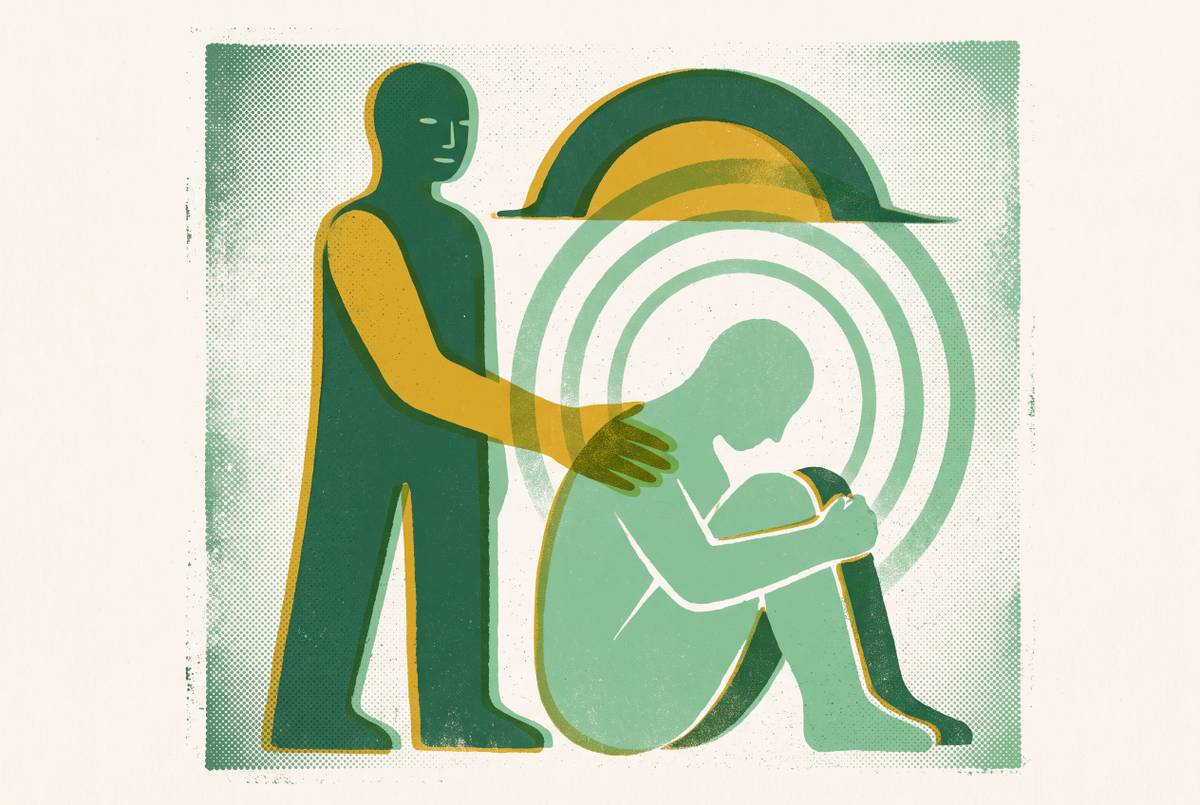
Lived experience in crisis response creates trust that formal services struggle to build.
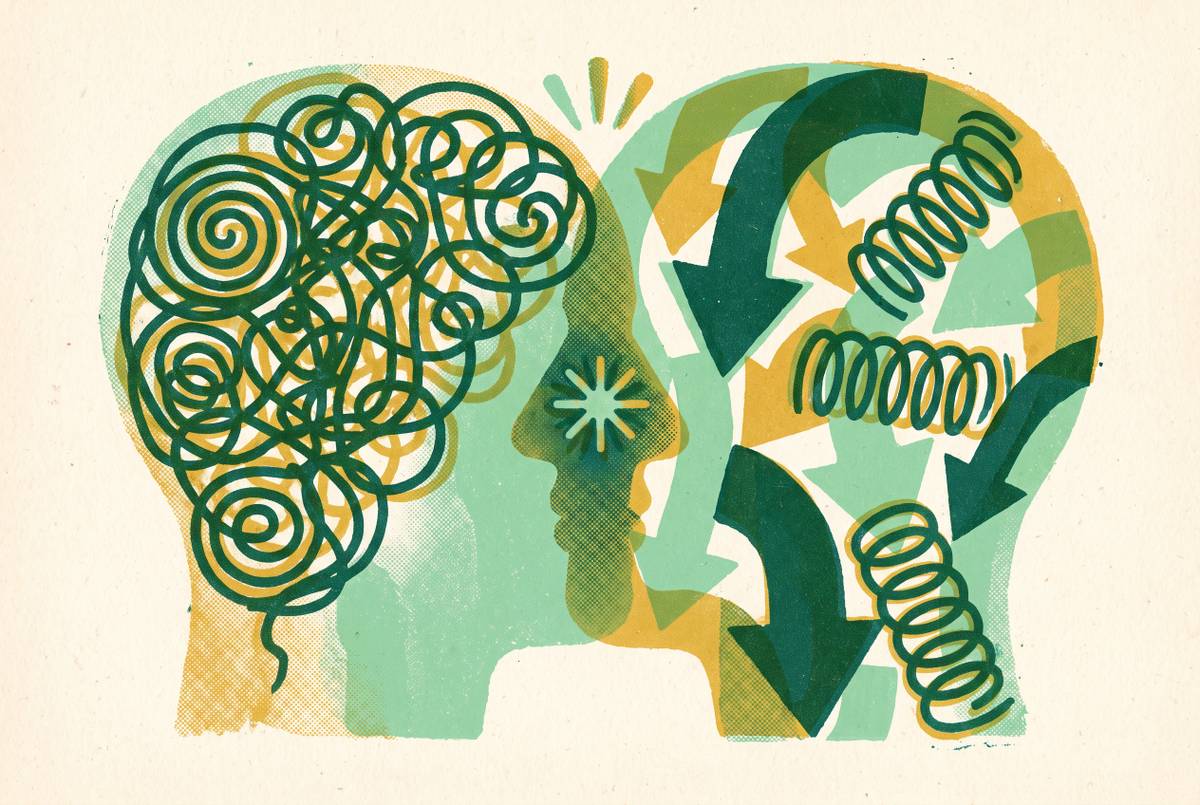
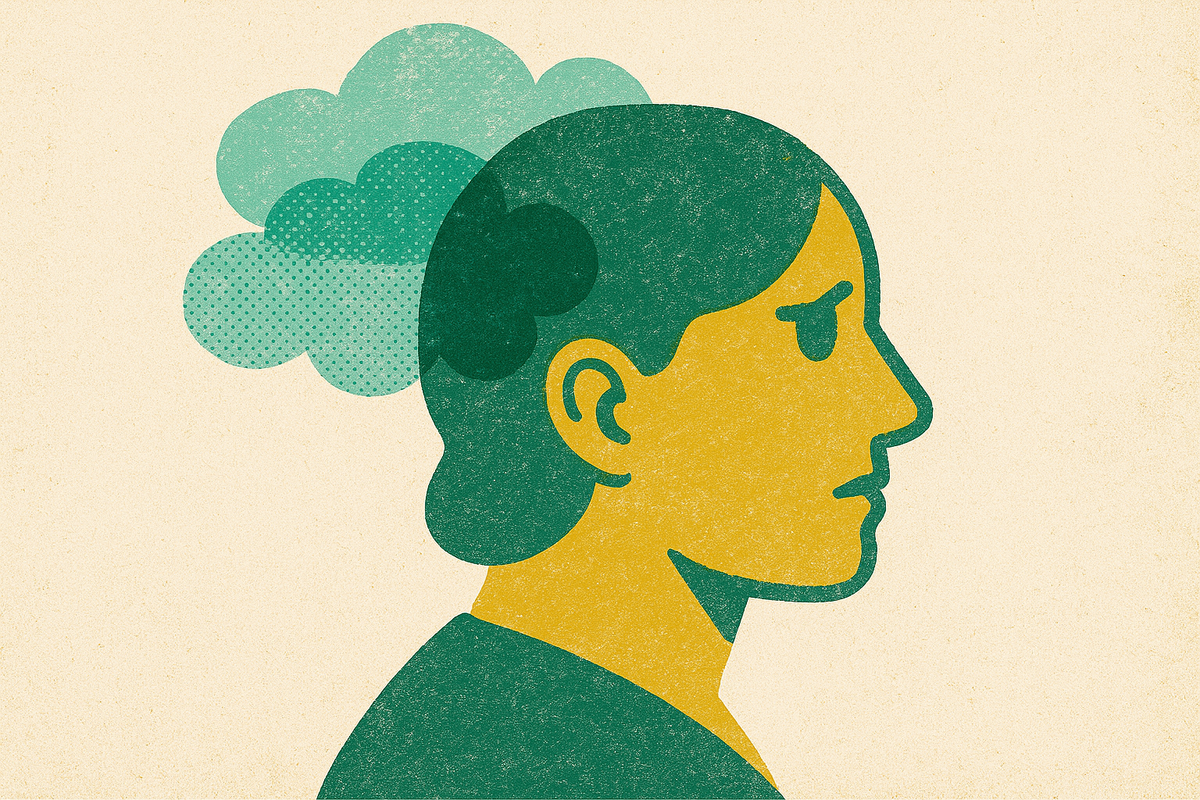
Stress has a trigger; anxiety doesn't—and that distinction determines if you need rest or treatment.
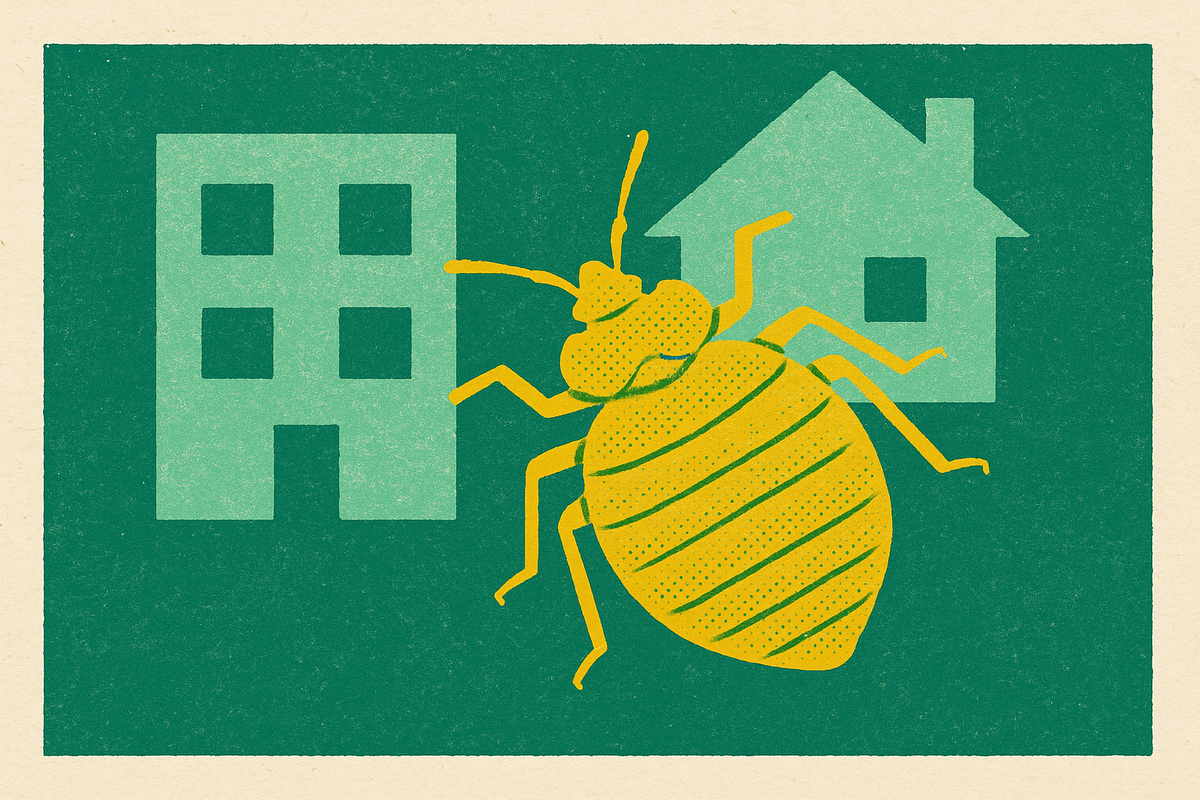
Income inequality, not hygiene, determines where bed bug infestations take root and persist.
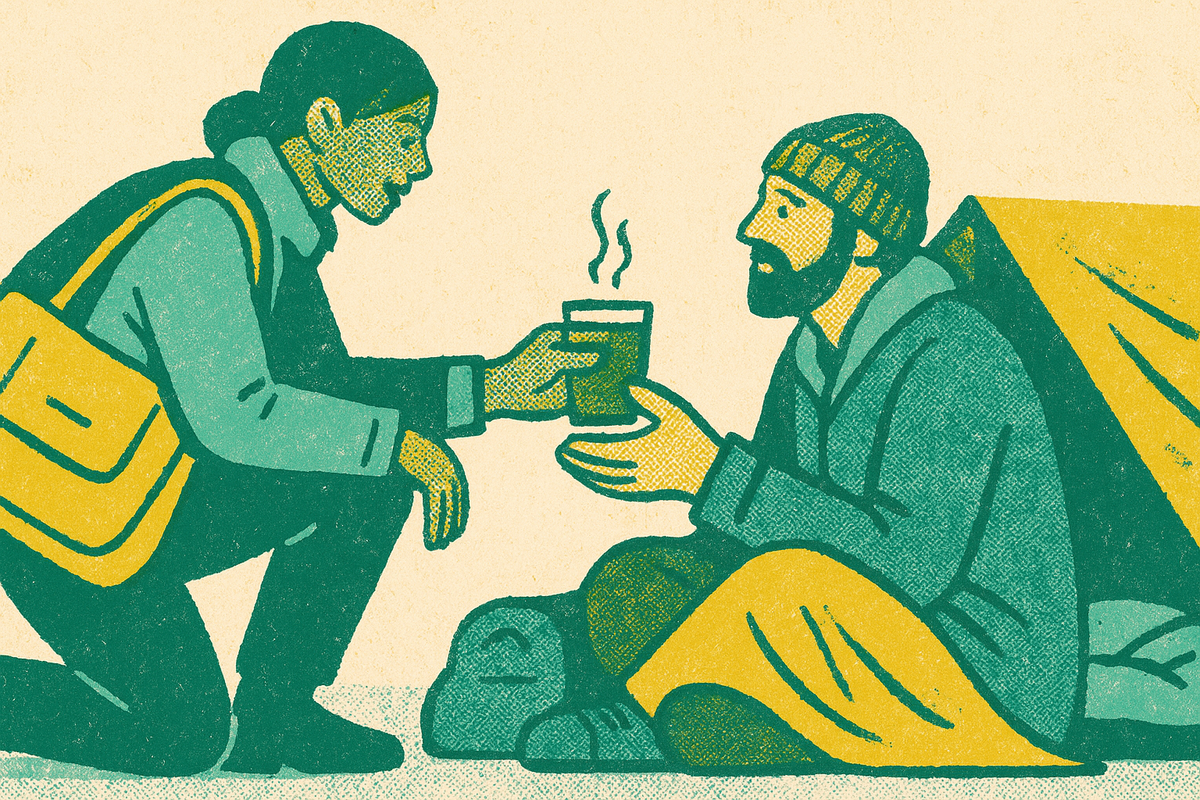
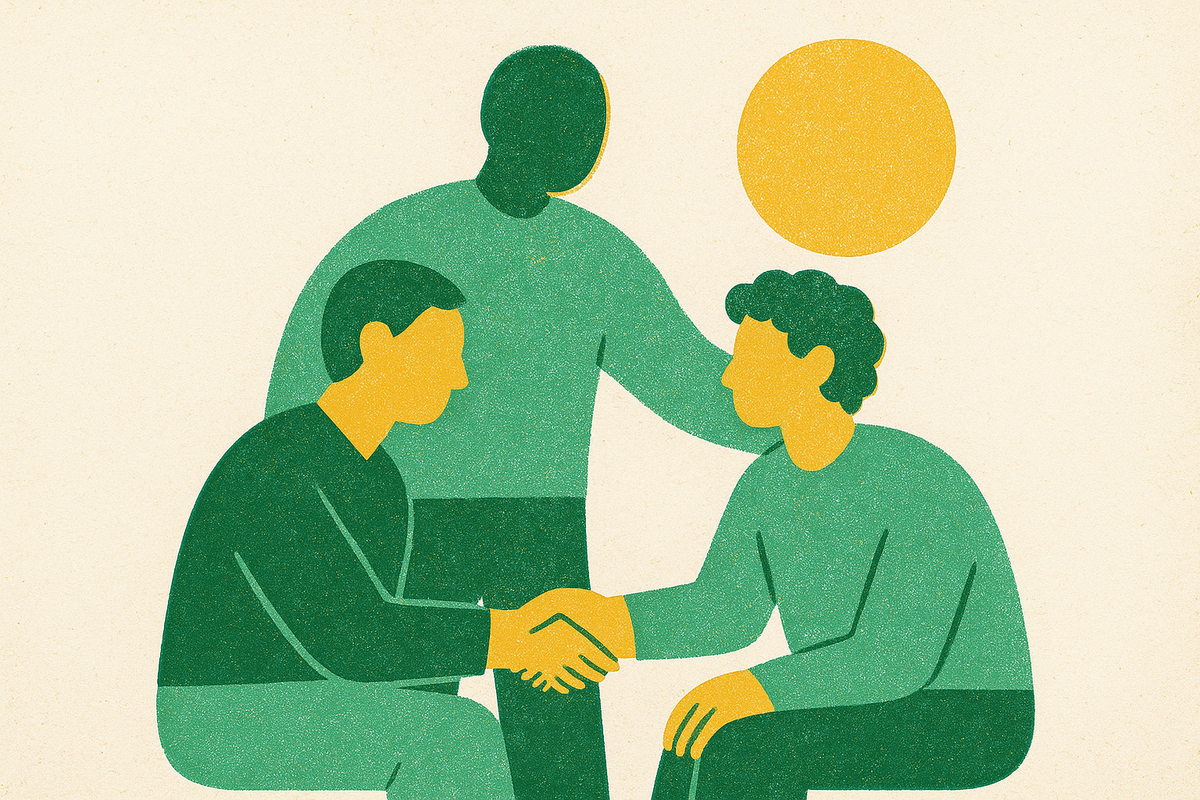
Building trust with unsheltered people matters more than the services themselves.
Symptom control alone won't restore daily life, even when medication works.
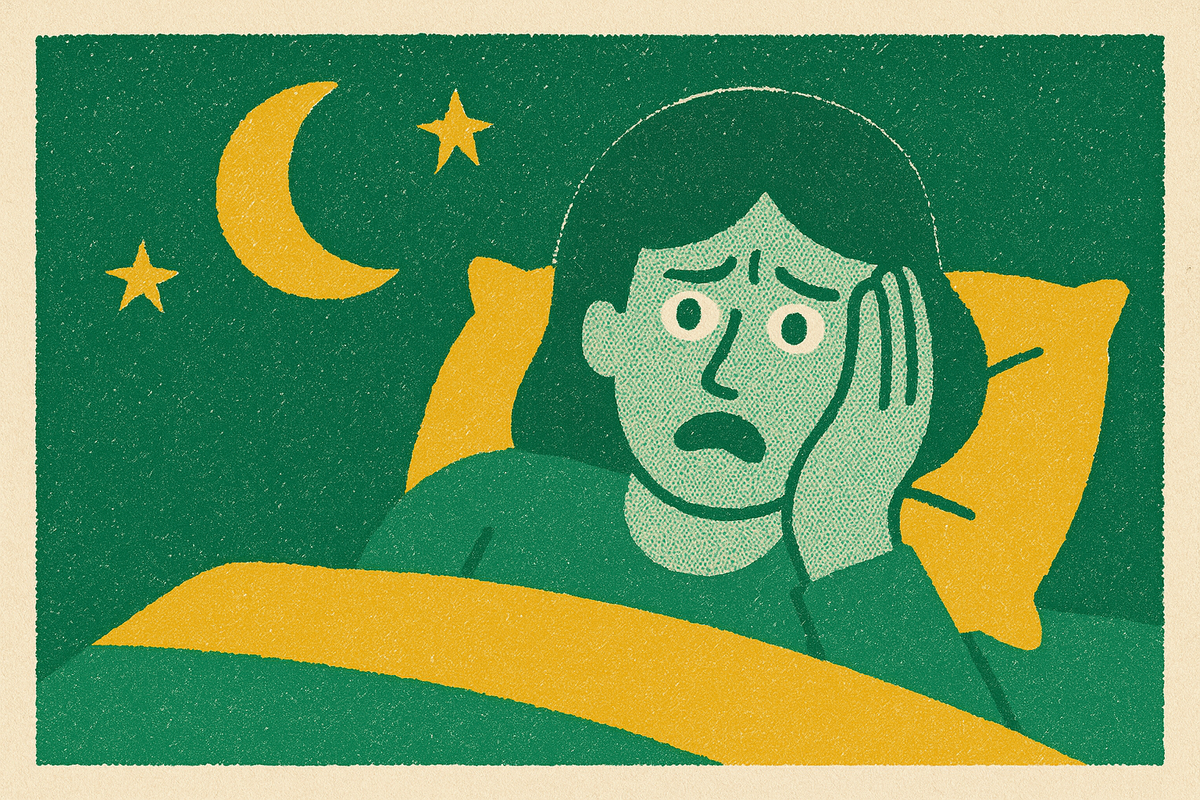
Sleep attacks strike during deep non-REM transitions, not dreams.
Restructuring a person's environment proves more effective than willpower alone.
Fever, body aches, and sudden onset separate flu from cold—and matter when antivirals work best.
Duration, impairment, and psychosis—not symptoms—determine if it's mania or hypomania.
Knowing the differences between these two medical crises can prevent dangerous delays in treatment.
A clinical diagnosis requires multiple evidence sources, not a single test.