Nervous Breakdown Symptoms and What They Signal
A breakdown reveals an underlying mental health crisis that demands proper diagnosis, not just rest.
"Nervous breakdown" isn't a diagnosis. The medical community no longer uses it as a clinical term, yet the phrase never left the vocabulary people reach for when ordinary distress turns into something extraordinary. That gap between clinical absence and cultural persistence is the actual subject here: what a breakdown is, what it signals underneath, and why the moment someone hits one is more dangerous, and more promising, than it looks from the outside.
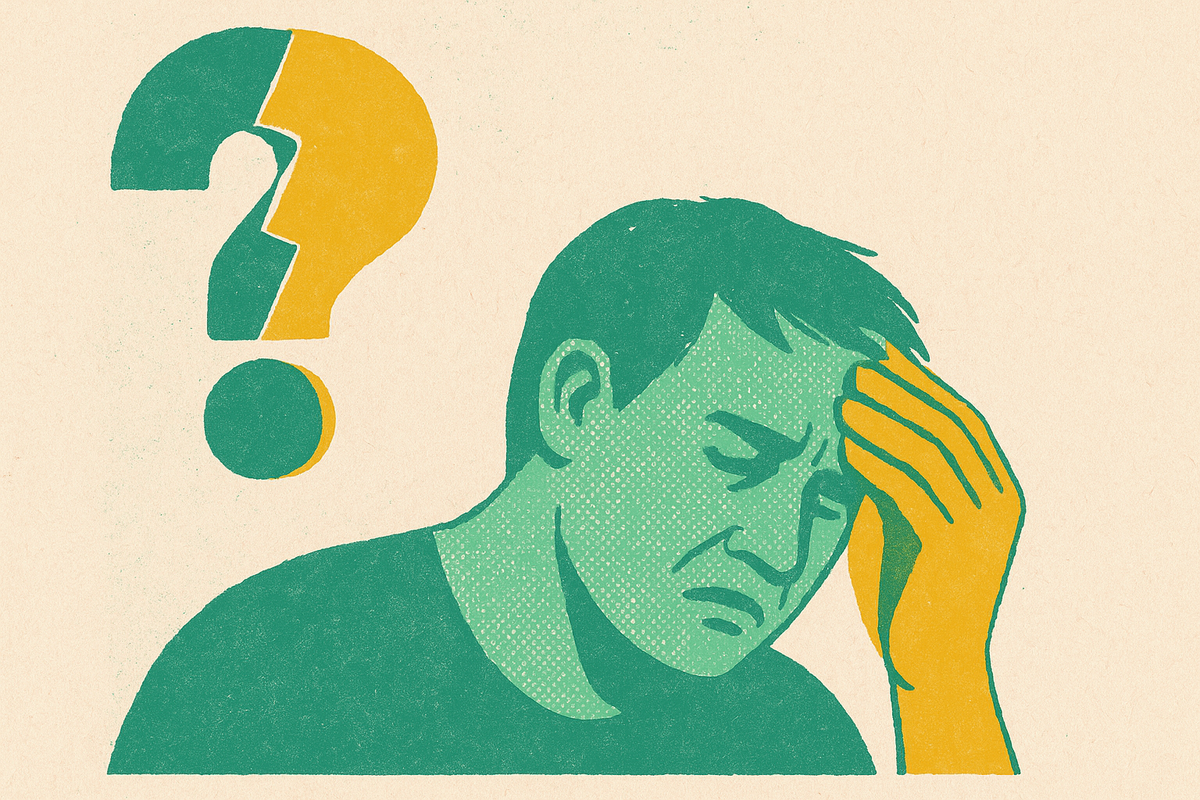
The term describes a period of intense mental distress severe enough that a person can't function in daily life. How long that period lasts varies enormously, from a day or two to a week or more, largely because the conditions driving it vary just as much. A breakdown is a symptom cluster, and the phrase alone doesn't answer the more useful question: what is this cluster pointing toward? For someone living through it, understanding that the word describes rather than explains is often the first real step toward finding an answer.
What the experience actually looks and feels like across three domains
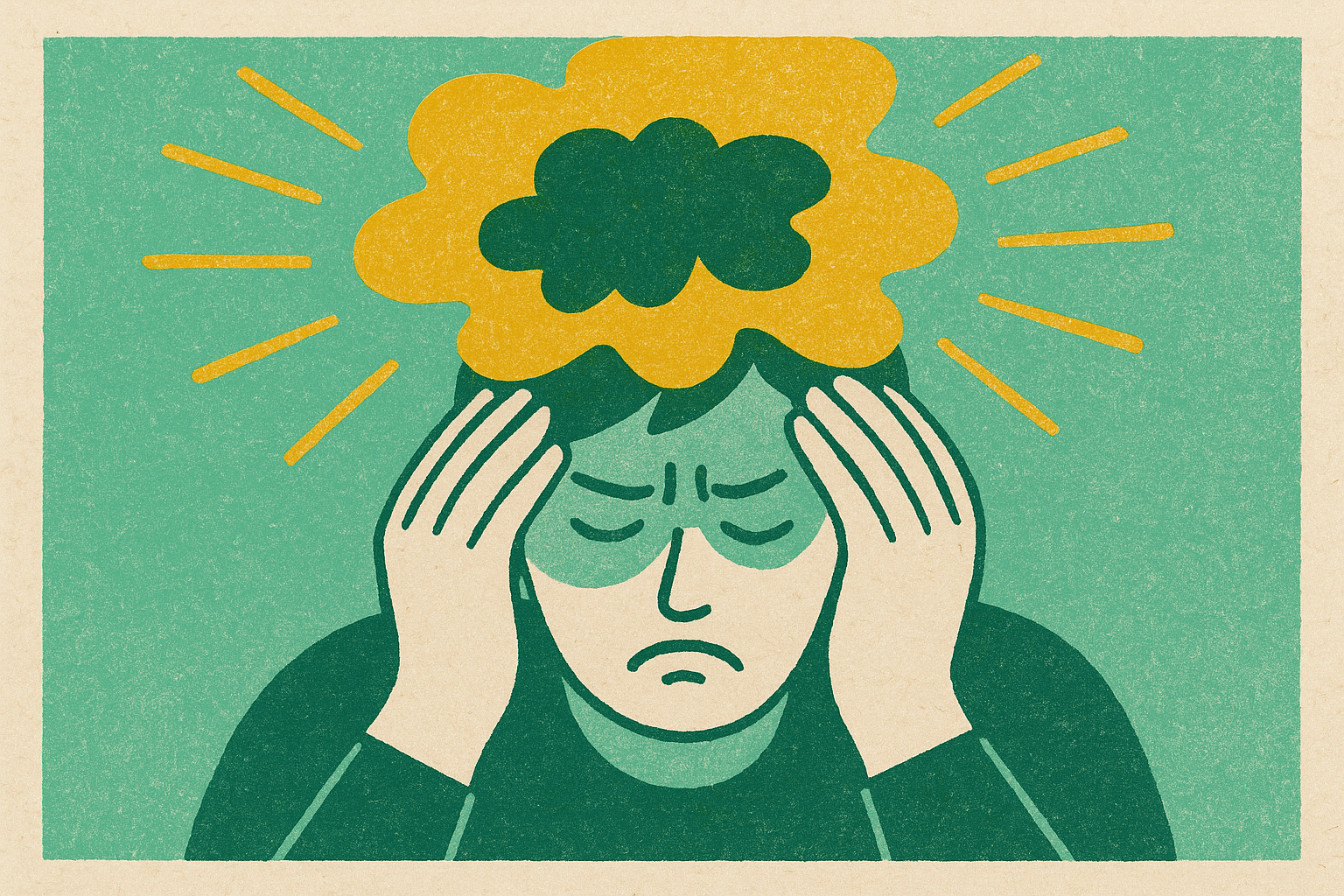
No single symptom defines a breakdown. What defines it is the way physical, psychological, and behavioral signals show up together, compounding each other until a person can't separate the exhaustion from the fear from the inability to get out of bed.
Physically, the body often behaves as though it's under direct threat even when nothing in the room warrants it: dry mouth, sweating, a heartbeat that races or skips in ways that feel alarming. Sleep tends to fracture right when it's needed most, and insomnia arrives alongside a fatigue so heavy it should, in theory, force rest; instead the exhaustion feeds the anxiety and the anxiety feeds the sleeplessness. That loop also shows up as headaches, muscle tension concentrated in the neck and shoulders, and a run of infections tracing back to an immune system worn down by chronic stress hormones.
The hallmark of the psychological pattern is overwhelm: crying that comes without warning, irritability that feels foreign to the person experiencing it, a slide into hopelessness that can arrive within hours. Panic attacks are common, and so is a strange detachment, a sense of watching one's own life from slightly outside it, disconnected from people who are right there in the room. In more severe presentations, and this deserves to be taken seriously rather than folded into the general description, the psychological symptoms cross into psychosis: hallucinations, paranoia, delusions, and a lack of insight into the fact that anything is wrong at all. That line matters more than the piece has room to stress just once. A breakdown with psychotic features calls for psychiatric intervention rather than rest and a few days off; the severity and the clinical needs are simply on a different scale.
Withdrawal defines the behavioral pattern. People pull back from relationships, stop returning messages, lose the ability to concentrate at work or school, and let basic self-care slide: showers skipped, meals skipped, mail unopened on the counter. Nothing here looks identical from person to person, and the exact shape a breakdown takes depends heavily on what's underneath it, which is exactly where the next question needs to go.
What triggers a breakdown and why some people are more vulnerable than others
Prolonged stress is the engine behind most breakdowns. The sudden argument or the missed deadline that seems to set it off is usually just the final pressure applied to a system that was already strained, which is worth sitting with, because it means the search for "what caused this" is often aimed at the wrong moment entirely.
Workplace stress is one of the most common paths in: overwhelming workloads, deadlines that never let up, little control over one's own schedule, insufficient support from managers or teams. Burnout usually precedes it, and the distinction is worth making explicit, since the two get treated as synonyms when they aren't. Burnout tends to be occupational and gradual, a slow erosion specific to work; a breakdown is more acute and bleeds into every part of life at once. Trauma follows a similar arc when it goes unsupported: PTSD that never gets treated doesn't stay contained, and it can surface as an acute crisis years after the original event. Chronic illness adds its own weight, since managing a body that won't cooperate is its own mental load layered on top of everything else.
Why, though, does the same stressor break one person and not another? This is the part most explanations skip past. Untreated anxiety disorders, depression, bipolar disorder, PTSD, and long-term substance use all lower the threshold at which ordinary stress tips into crisis. Here's the part that gets missed most often: a breakdown is frequently what happens when a diagnosable condition has gone unrecognized, which means the trigger takes the blame for damage that was already underway long before the argument or the deadline. The relationship runs in both directions. Mental illness heightens sensitivity to stress, and stress in turn destabilizes whatever fragile equilibrium the illness had allowed; neither one is simply the cause of the other, which is exactly why blaming "a stressful week" so often misses the real story.
What the symptoms are actually signaling about underlying mental health conditions
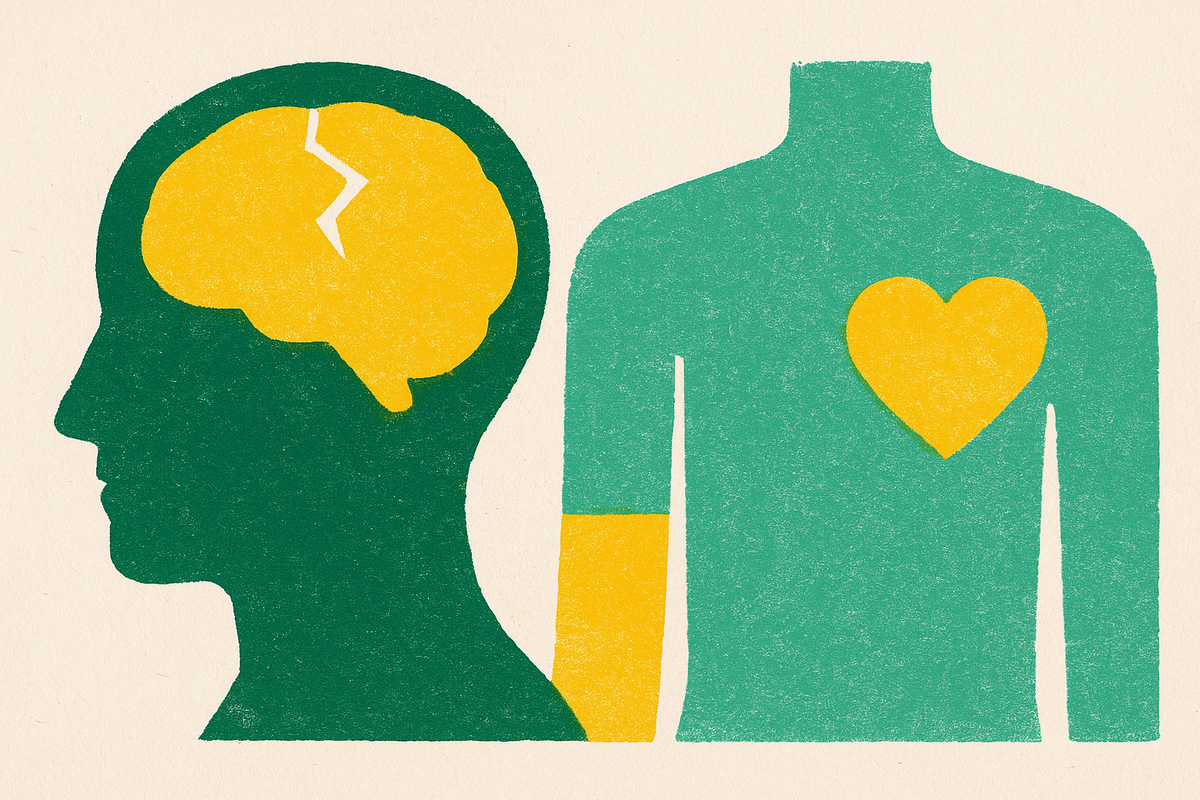
A breakdown is often the first visible, acute surface of something that has been developing quietly underneath for a long time. The crisis is the part that finally became impossible to ignore, following a much longer arc that stayed hidden.
Depression and anxiety disorders are the most common substrates, and PTSD shows up often too, particularly in people with a trauma history that was never addressed directly. Bipolar disorder can present as a breakdown during a depressive or mixed episode, and schizophrenia or other serious mental illnesses can surface through the psychotic features described earlier. Those features deserve particular attention, because they change what the moment demands of whoever is responding to it: a friend sitting with someone through tears is doing something different, and something less sufficient, than what a person in active psychosis actually needs.
When the underlying condition turns out to be a serious mental illness, the stakes climb considerably. Without professional intervention, a breakdown tied to bipolar disorder or schizophrenia can escalate into sustained psychosis or suicidal ideation. People living with serious mental illness, defined clinically as schizophrenia spectrum disorders, bipolar disorder, or disabling major depressive disorder, die roughly 10 to 25 years earlier than the general population. That gap traces back to gaps in care: untreated physical and mental conditions compounding each other over years until the mortality figure becomes the blunt way of stating what "untreated" eventually costs a person, measured in actual years of life.
The breakdown moment is clinically significant in a specific way. It's the point where something invisible or barely manageable becomes visible and urgent, a signal rather than an endpoint. A signal only matters, though, if someone is positioned to hear it, and that raises an uncomfortable question the next section has to address directly.
How many people reach a crisis without adequate support waiting on the other side
The scale of this is larger than most people register. The 2024 National Survey on Drug Use and Health, released by SAMHSA in 2025, found 14.6 million adults in the United States living with a serious mental illness substantial enough to interfere with daily life. That's a number large enough that the shortage of support waiting on the other side of a crisis stops looking like an individual bad-luck story and starts looking like a structural one.
Globally, the picture is starker. The World Health Organization has documented that hundreds of millions of people worldwide live with a mental health condition, and most of them do not receive adequate care. Money tells the same story from a different angle: low-income countries spend less than one dollar per capita on mental health care, compared with close to $66 per capita in high-income countries. The resource gap and the outcome gap are the same gap, measured differently. Put plainly, the moment someone most needs a clear path forward is, structurally, the moment the system is least prepared to provide one.
Why certain people reach crisis more often and find less support when they do
Access gaps don't fall randomly. They track race, income, geography, and identity with enough consistency that calling them gaps almost understates it; they function more like a stacked set of obstacles that some people face one at a time and others face all at once.
Start with race, because the pattern here is not subtle. White adults report using mental health services at meaningfully higher rates, around 50%, than Black adults (39%) or Hispanic adults (36%). Asian adults (55%) and Black adults (46%) report more difficulty than White adults (38%) finding a provider who understands their background, which points to a cultural competence problem distinct from a simple supply shortage; more providers existing doesn't fix the gap if none of them feel like a fit. American Indian and Alaska Native populations face particularly acute mental health burdens, with a suicide rate of 23.8 per 100,000 — among the highest recorded for any racial or ethnic group in the country.
Income tracks just as tightly, and arguably matters more than any single demographic factor discussed here, because it compounds all of them. CDC data found depression running roughly three times higher among the lowest-income Americans compared with the highest-income group, meaning the people most exposed to the stressors that trigger a breakdown are often the least equipped to get care once one hits. Age and geography compound it further: among adolescents aged 12 to 17 who experienced a major depressive episode, only 47.5% received any treatment, and rural adolescents had significantly lower odds than their urban peers of reaching a specialist at all.
None of these factors operate in isolation, and this is the point worth landing on before moving further. Systemic racism, economic barriers, stigma, a shortage of culturally competent providers, and inadequate insurance coverage tend to arrive together in a single person's life, not one at a time. Treating access as a single, fixable pipe, more providers here, one new grant there, misreads the problem. A person navigating several of these barriers at once is facing a stack, and each layer makes the others harder to clear.
How the things outside the clinic shape whether someone reaches crisis in the first place
Here is the claim this piece is prepared to defend over any other in it: the clinic is a smaller lever than most people assume, and treating it as the primary one is a mistake. Non-medical factors, housing, employment, food security, transportation, education, are estimated to drive somewhere between 80% and 90% of a person's overall health outcomes, while clinical care itself accounts for something closer to 10% to 20%. That ratio should reframe the whole subject. More psychiatrists and shorter waitlists matter, but they're working on the smaller share of the problem.
Housing instability compounds mental health risk at every stage of life, raising susceptibility to both mental disorders and chronic physical disease. It's telling that policy and health systems have increasingly moved to formally recognize homelessness as a factor shaping health outcomes, acknowledging how central housing is to whether someone recovers. Transportation matters in a less visible but equally corrosive way: barriers to it don't just delay care, they convert what might have been a manageable crisis into an entrenched condition, simply because someone couldn't get to the appointment that would have interrupted it early. Economic insecurity, the inability to afford a doctor's visit, a job lost at the wrong moment, tracks with measurably worse mental health outcomes across the board.
The practical implication is hard to avoid: treating the breakdown itself, without touching the conditions that produced it, leaves the actual cause standing exactly where it was. Durable recovery has to reach into housing, food, medication access, and transportation right alongside whatever happens in a therapist's office. A prescription doesn't fix an eviction notice.
Why the moment of breakdown is also a moment of opportunity, if the right people show up
A breakdown, whatever else it is, makes distress visible. Something that had been hidden, or barely managed, or quietly worsening for months, suddenly surfaces where other people can see it. That surfacing is frightening. It's also, structurally, a point of contact that didn't exist the week before.
What that moment actually requires is trust, alongside clinical triage, and this is where a lot of well-intentioned response falls short. The person in crisis has to believe that whoever is standing in front of them actually understands what they're going through, and that belief doesn't arrive automatically just because someone has the right credentials on the wall. Traditional clinical models are built to diagnose and prescribe, and they do that part well. Closing the trust gap is a separate task, though, especially for people with specific, earned reasons to distrust formal systems: historical trauma, cultural disconnection, a previous experience with care that went badly.
Peer support closes a gap that credentials alone can't touch, and peer support models that center lived experience are worth naming specifically here rather than folding them into a list of comparable options. Someone who has navigated serious mental illness or substance use disorder firsthand can meet a person in crisis with shared experience that changes what engagement feels like from the inside. Peer supporters with lived experience of serious mental illness or substance use disorder, connect people with housing, food, medication, and behavioral health resources in ways that clinical encounters alone often cannot. The presence on the ground is the mechanism. Recovery tends to require someone who shows up in person, offering a kind of continuity that a scheduled appointment alone rarely provides.
What getting the right support after a breakdown actually involves
A breakdown calls for professional evaluation. It's a signal that something underneath needs attention, and attention here means engaging with that signal directly, rather than waiting for the exhaustion to lift on its own once the deadline passes or the argument blows over.
The first concrete step is connecting with someone, a mental health professional, a peer specialist, a trusted community resource, even before anyone involved knows exactly what the underlying condition is. For people whose breakdown may point toward a serious mental illness, the evaluation process exists precisely to name what's underneath so the right combination of support can get built around it.
Holistic support has to cover ground that clinical care by itself can't reach, and this is where the argument comes full circle. Medication only works if someone can actually access and afford it. Therapy only works if someone can get there, which means transportation, scheduling that fits around a job, childcare if there are kids involved. Stability, more broadly, requires housing and food and some economic ground to stand on, alongside whatever a prescription pad can provide. For people who've struggled to trust or engage with traditional care in the past, peer specialists offer a genuinely different entry point, built on shared experience alongside clinical expertise.
Recovery, in the end, means building a life with real support woven through it: support that reaches past the walls of a clinic into housing, food, transportation, and medication access all at once. A breakdown can be the start of that, provided it connects to the right people at the right moment. Crisis lines, community mental health centers, peer support organizations including firsthand, and primary care as a first point of contact for anyone unsure where else to start: each of these is a door. Reaching a crisis without a door in reach is the failure this piece has tried to trace from every angle.