Bed Bug Infestation Risks in Shelter and Low-Income Housing
Income inequality, not hygiene, determines where bed bug infestations take root and persist.
Marcus Bellantyre
Section
18 stories in Community Health Trends.
Income inequality, not hygiene, determines where bed bug infestations take root and persist.
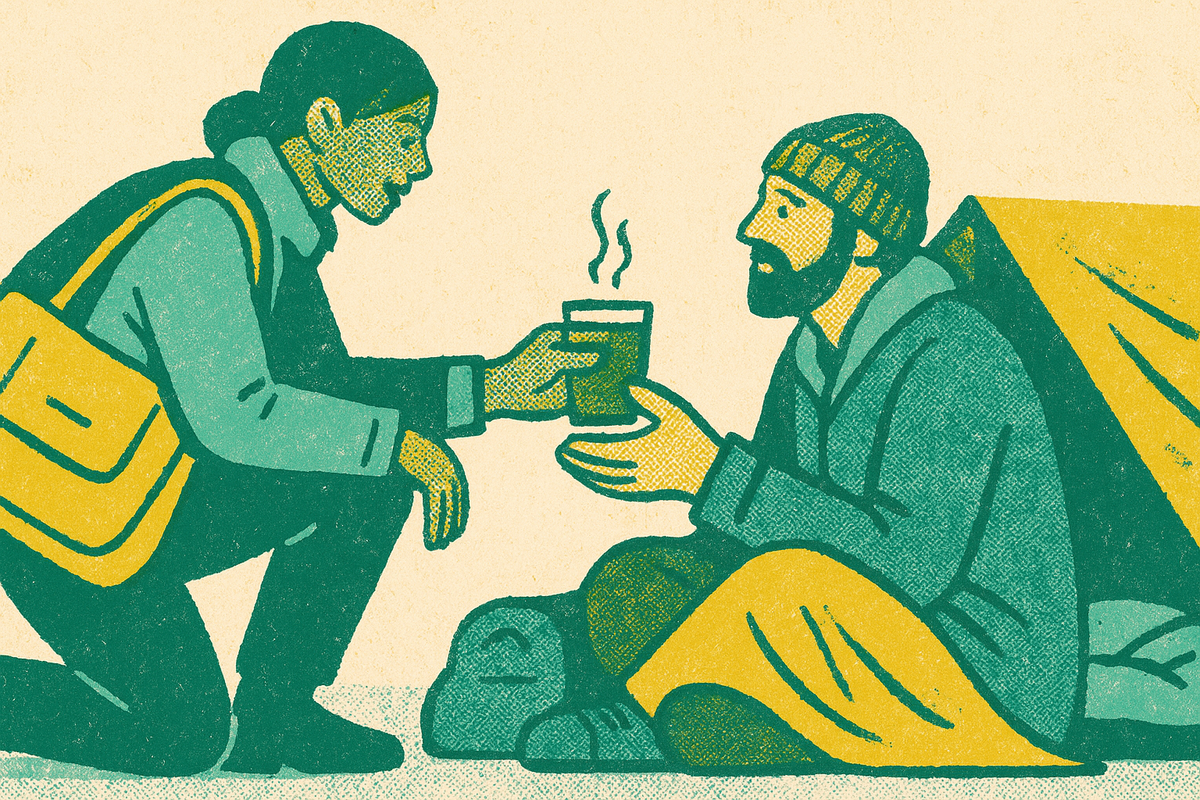
Building trust with unsheltered people matters more than the services themselves.
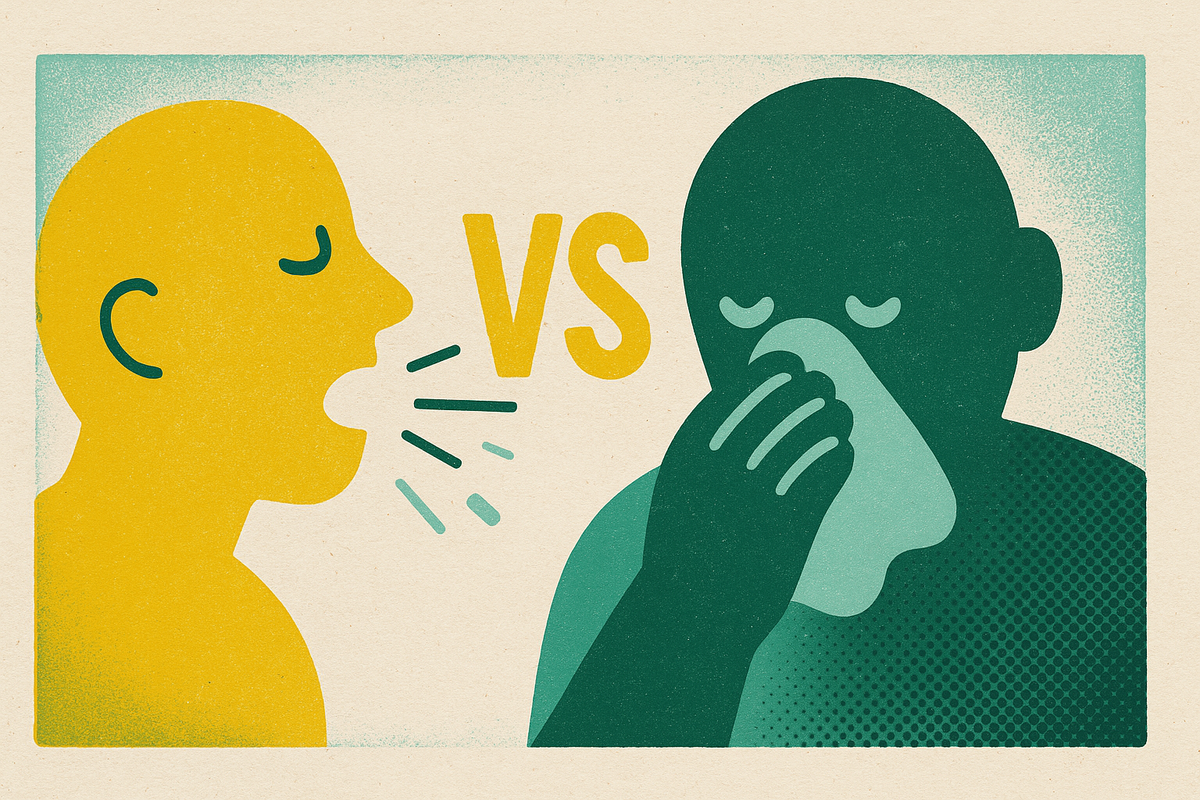
Fever, body aches, and sudden onset separate flu from cold—and matter when antivirals work best.
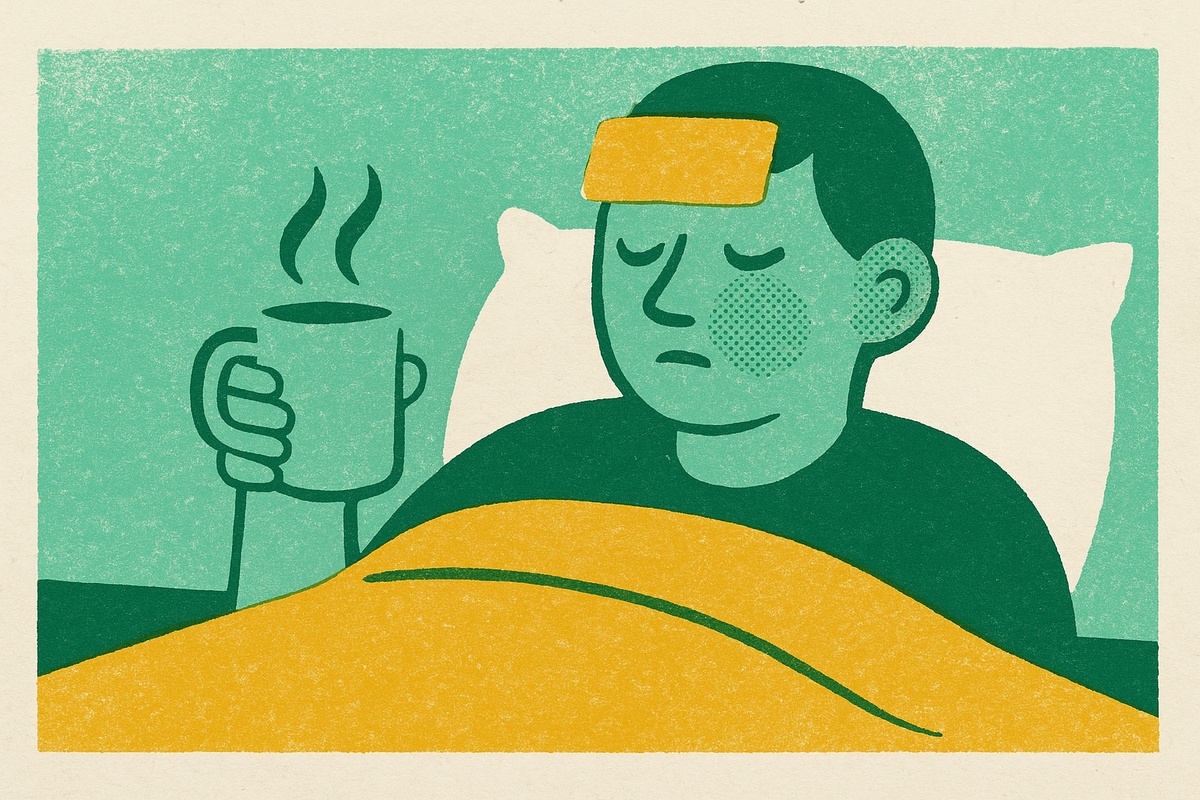
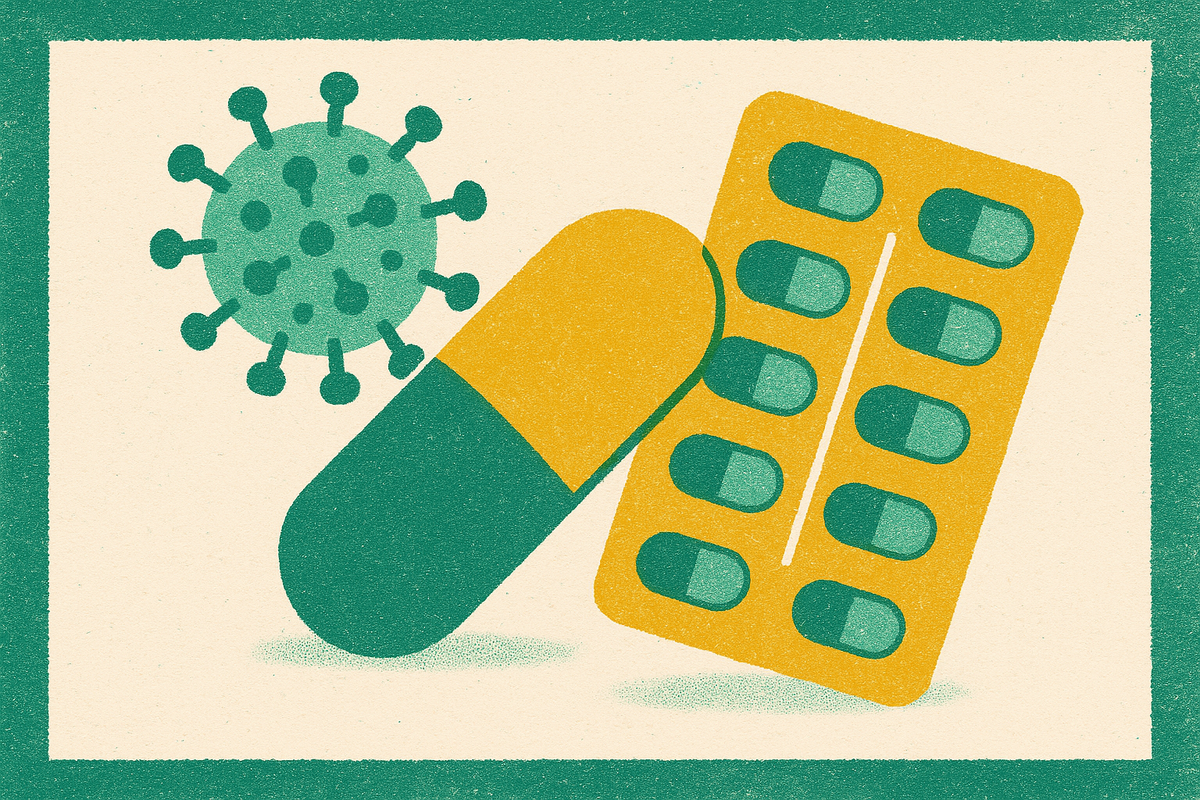
Day-by-day recovery milestones show when antiviral drugs matter and why lingering fatigue is normal.
Joint Commission data reveals which preventable harms kill most and who gets left uncounted.
Oseltamivir is first-line, but timing and patient factors determine which antiviral works.
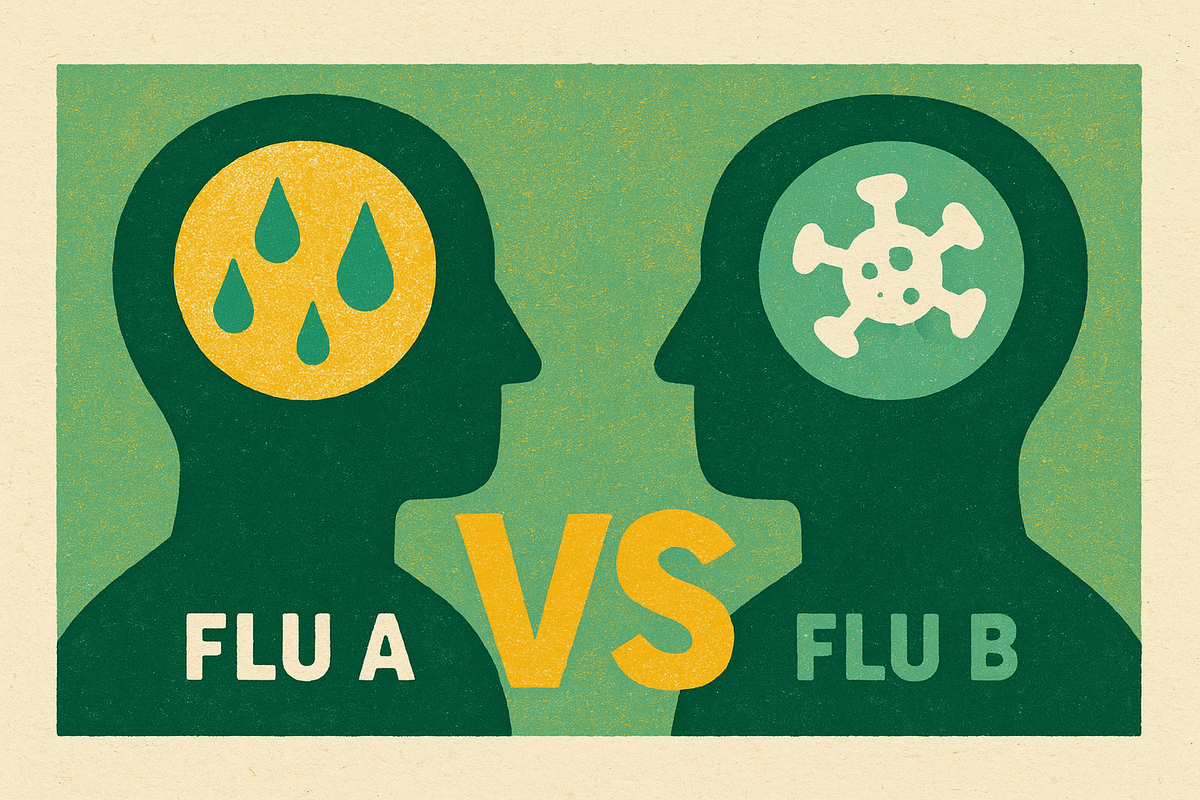
Flu A dominates most seasons, but flu B poses distinct risks to children.
Federal targets show where the U.S. health system must improve and why data beats intentions.
Every hospital must complete all six steps in sequence, not just most of them.
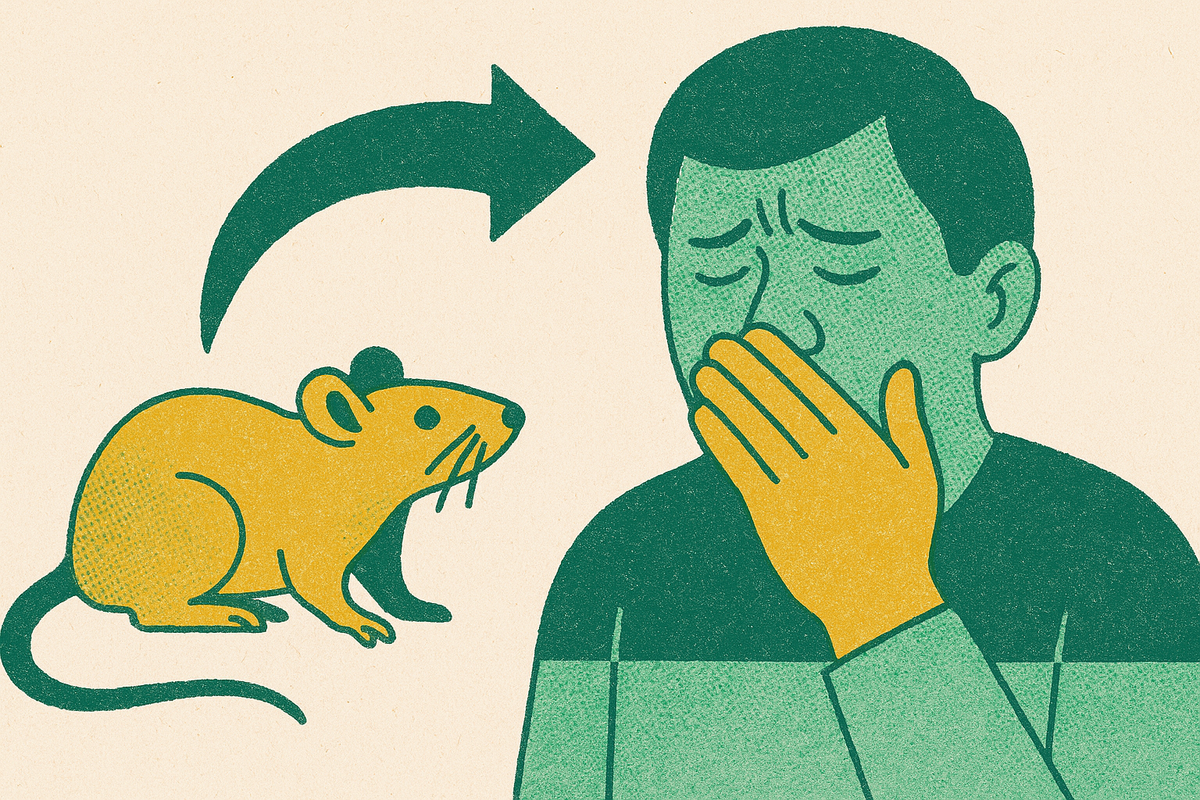
Most hantavirus cases go undiagnosed because mild infections never reach medical attention.
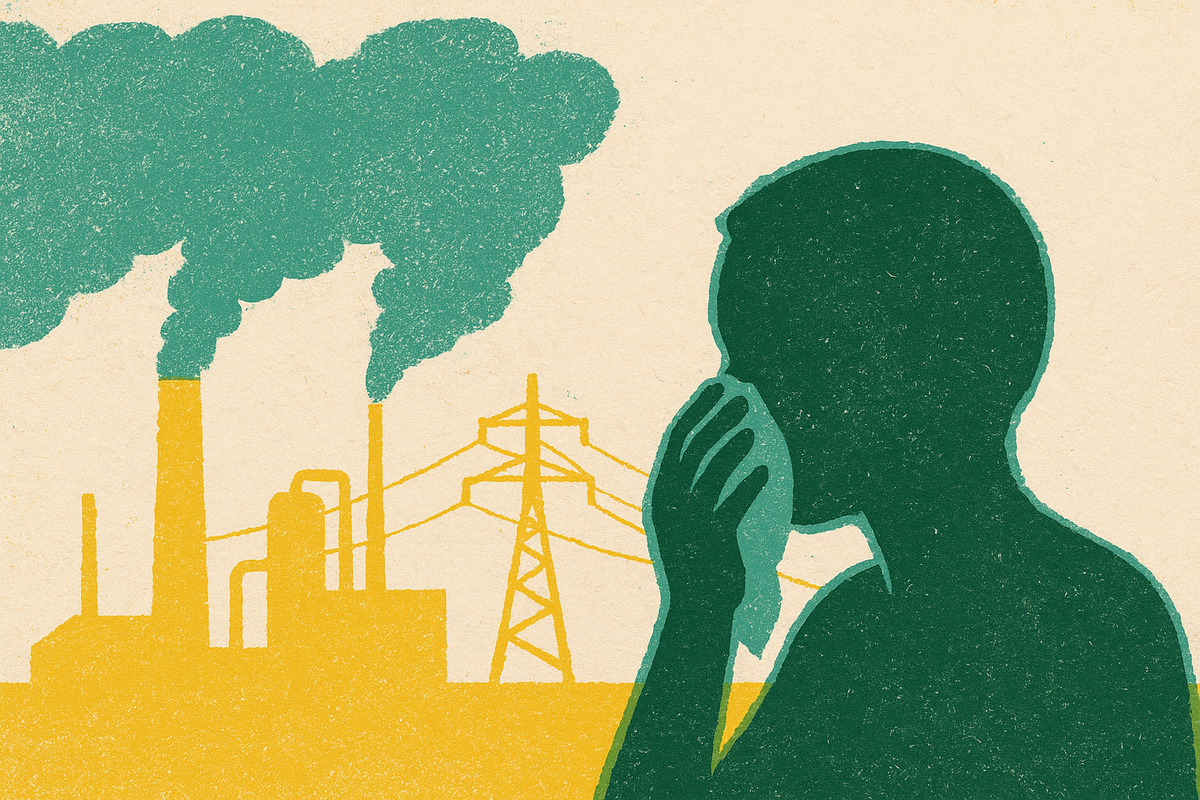
Pollutants concentrate where marginalized communities live, creating preventable disease clusters.
Virtual care stuck where it matched clinical need, not where emergency forced it.
Public health departments are finally tracking disparities, but lack consensus on what to measure.
FQHCs serve 32 million low-income patients but face mounting pressure from rising uninsured rates.
Poverty and geography compound chronic disease risk in ways clinical treatment alone cannot address.
States fund community health workers to reduce costs and reach underserved patients.
Rural mortality gaps have widened sevenfold as hospitals close and services vanish.
Decades of housing disinvestment from a 1930s lending policy still shorten lives today.