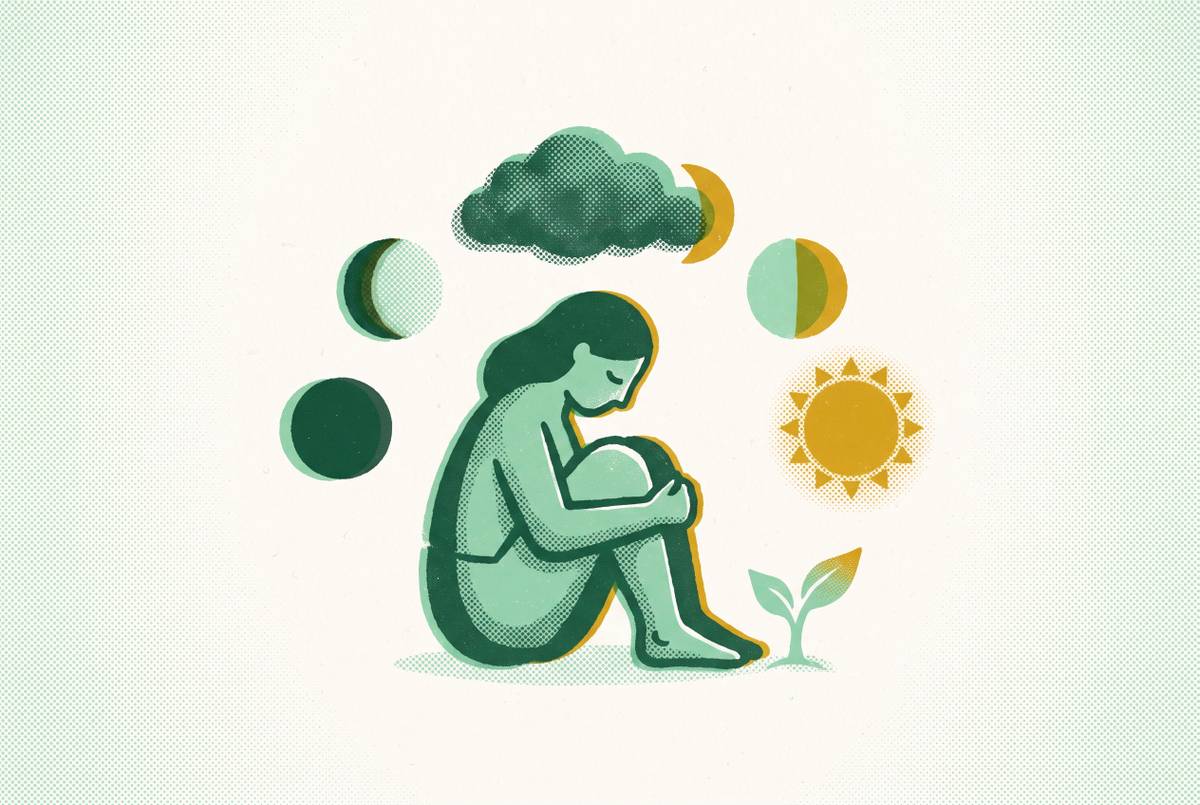
How Long a Mental Breakdown Typically Lasts
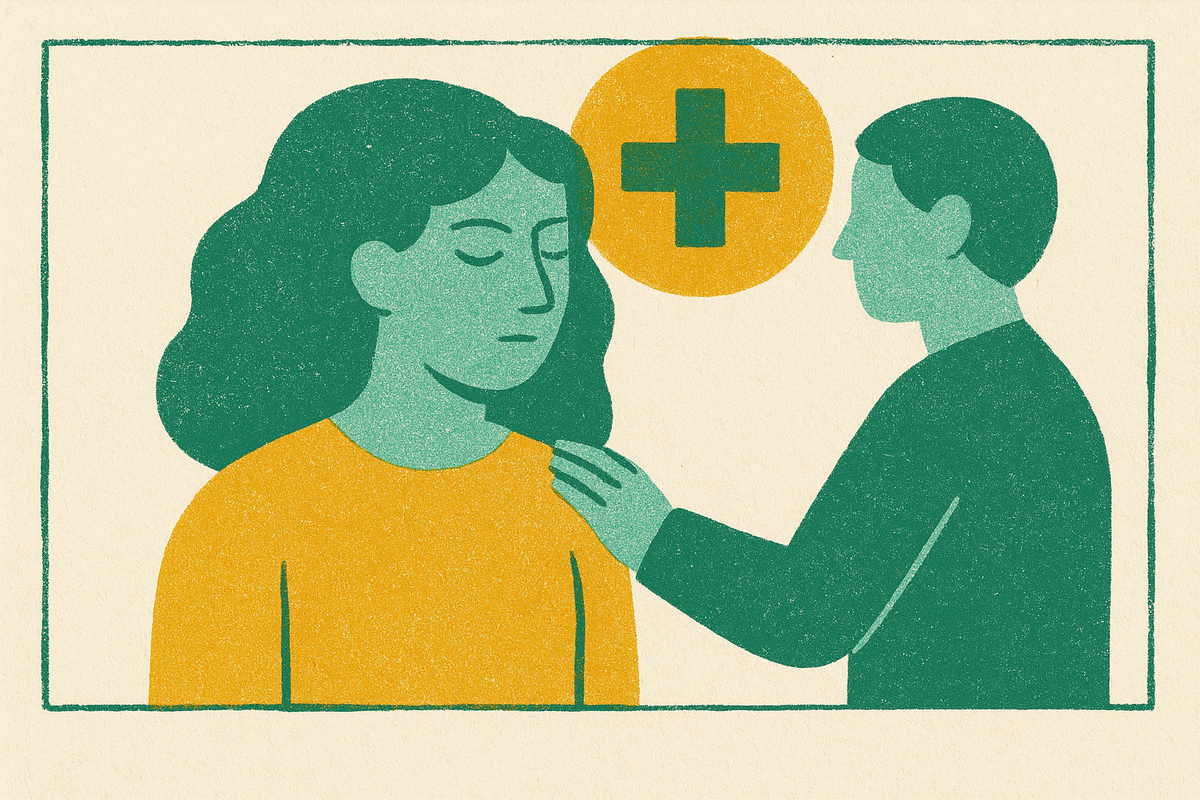
Recovery speed depends on what caused the breakdown and what support remains available.
Daria Okonkwo
19 stories
Recovery speed depends on what caused the breakdown and what support remains available.
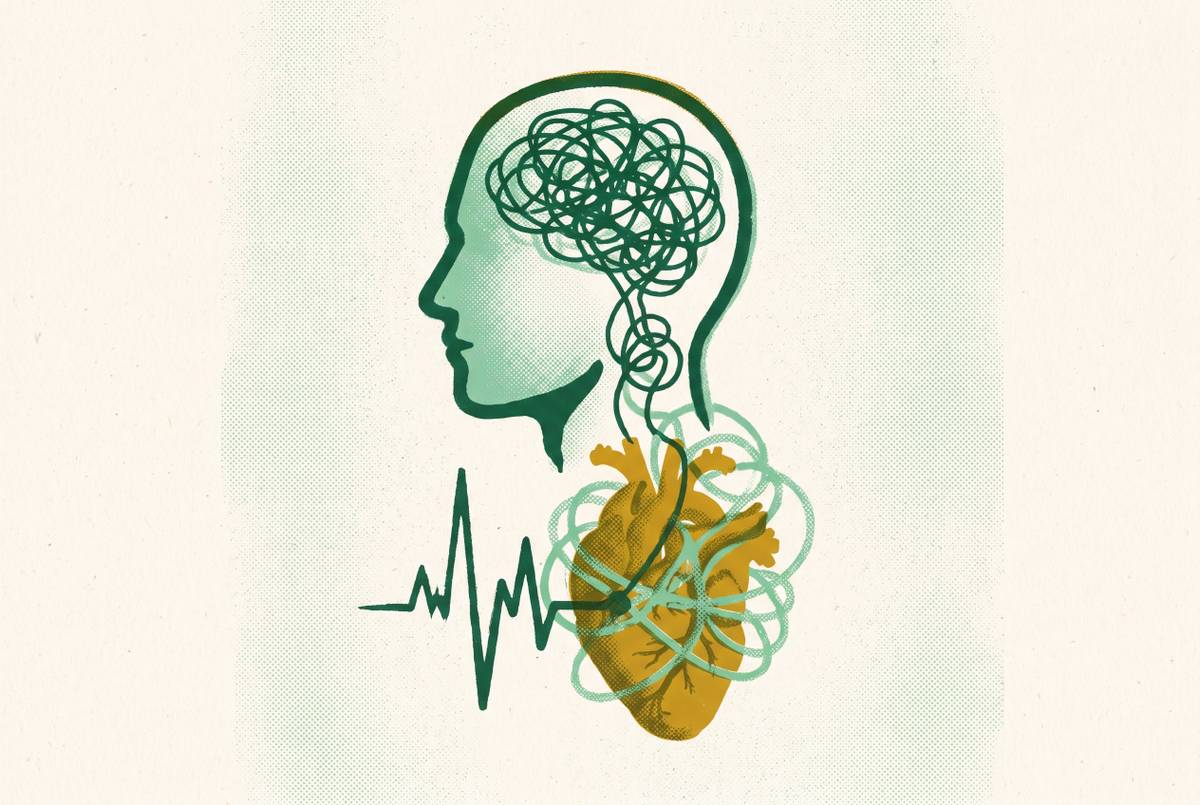
New evidence links chronic anxiety to heart attacks and strokes independently of depression.
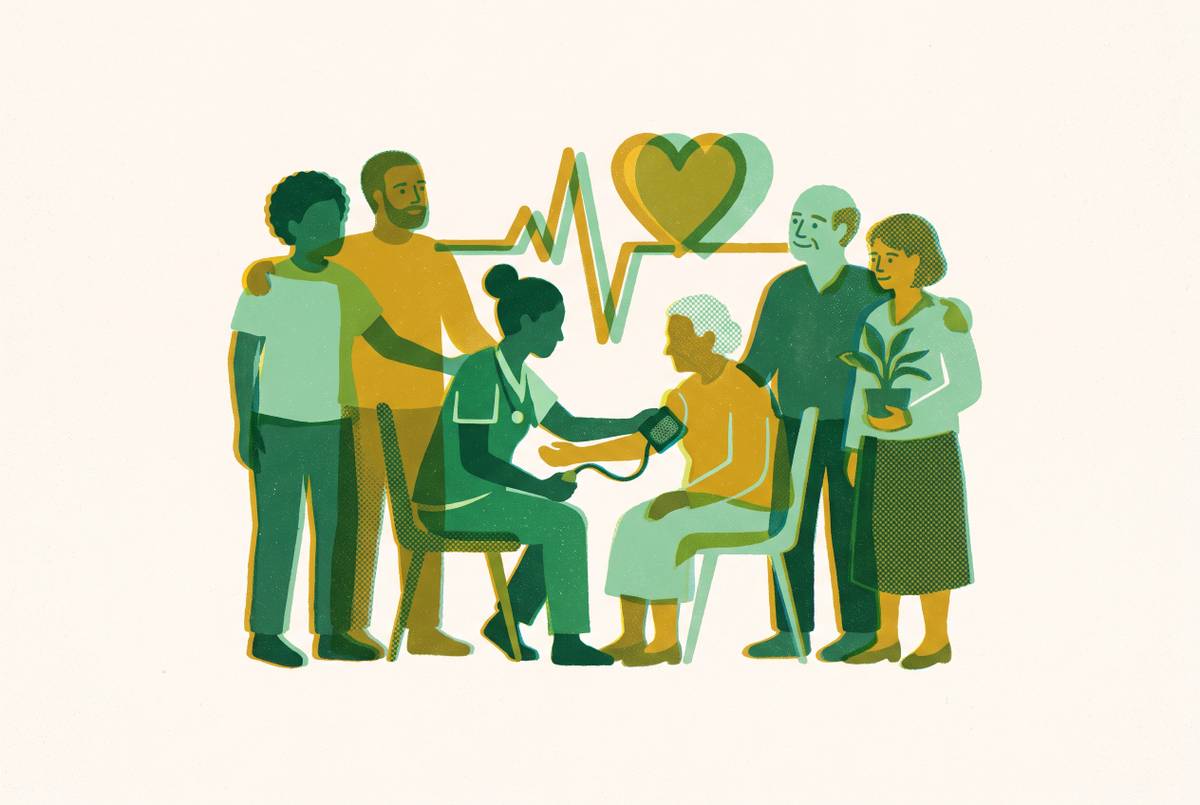
Treating hypertension in mental health settings closes a dangerous gap in chronic disease care.
Effective recovery requires clinical care, housing, and trusted human connection working together.
How mental illness and substance use disorder reinforce each other in daily survival.
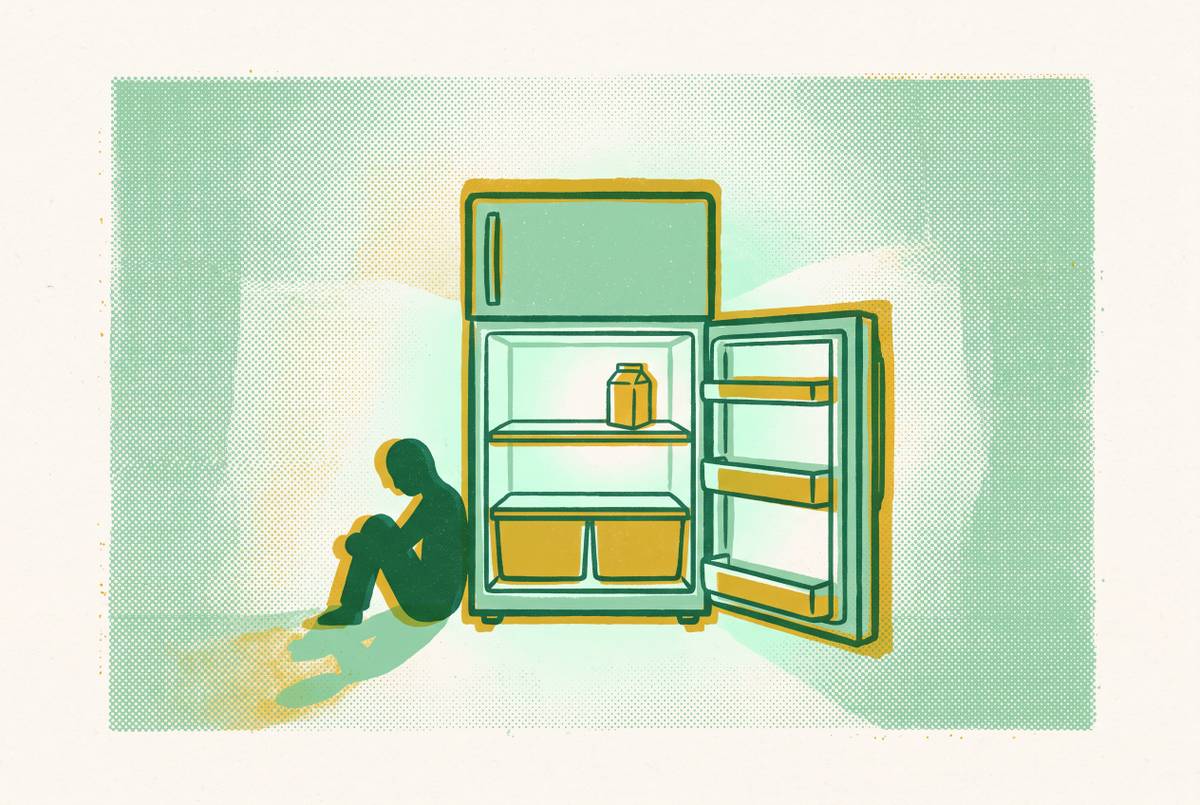
Each step to get food requires mental capacity the illness disrupts.
Peer support workers cut psychiatric readmissions by meeting patients where they are.
Peer coaches build trust through lived experience clinicians cannot replicate.
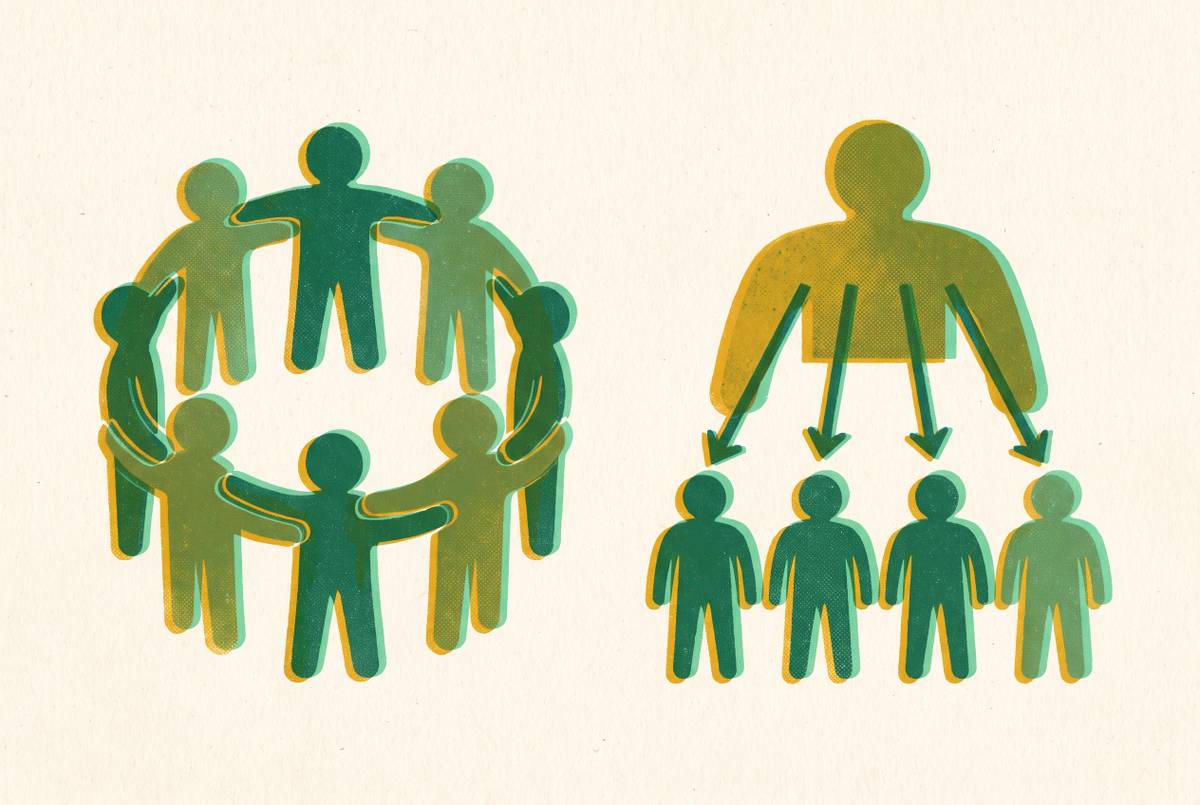
Peer support builds hope through shared experience where case management coordinates systems.
Food insecurity directly raises heart disease risk, even decades later.
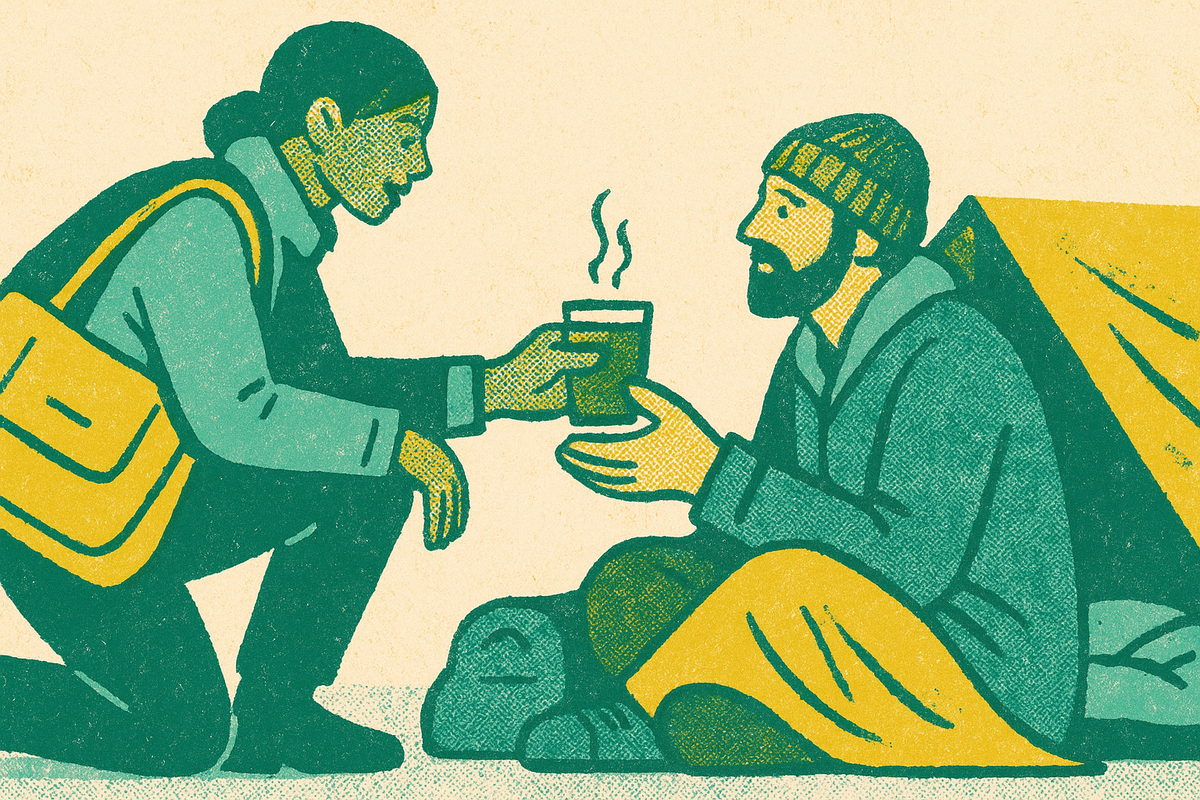
Trust, not services, determines whether unsheltered people with mental illness accept help.
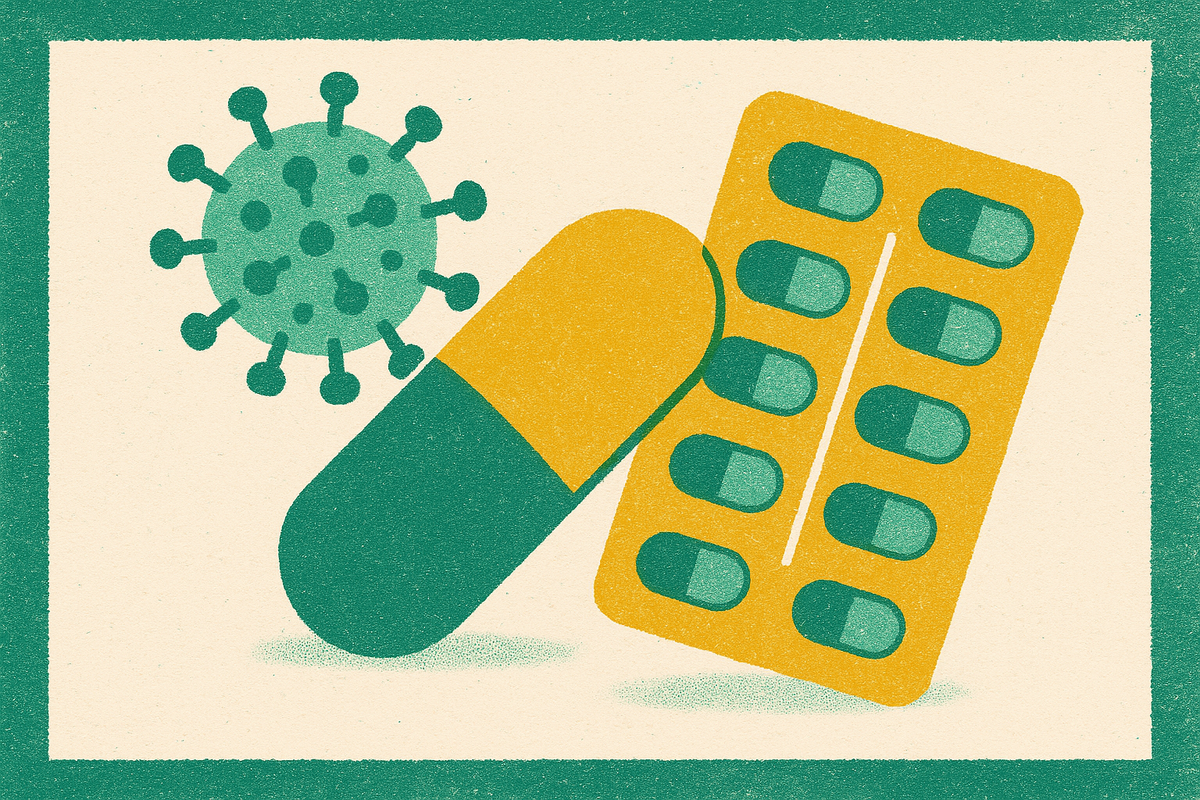
Day-by-day flu recovery varies widely, but acting fast on antivirals matters most.
Oseltamivir is first-line, but four antivirals require careful patient matching.
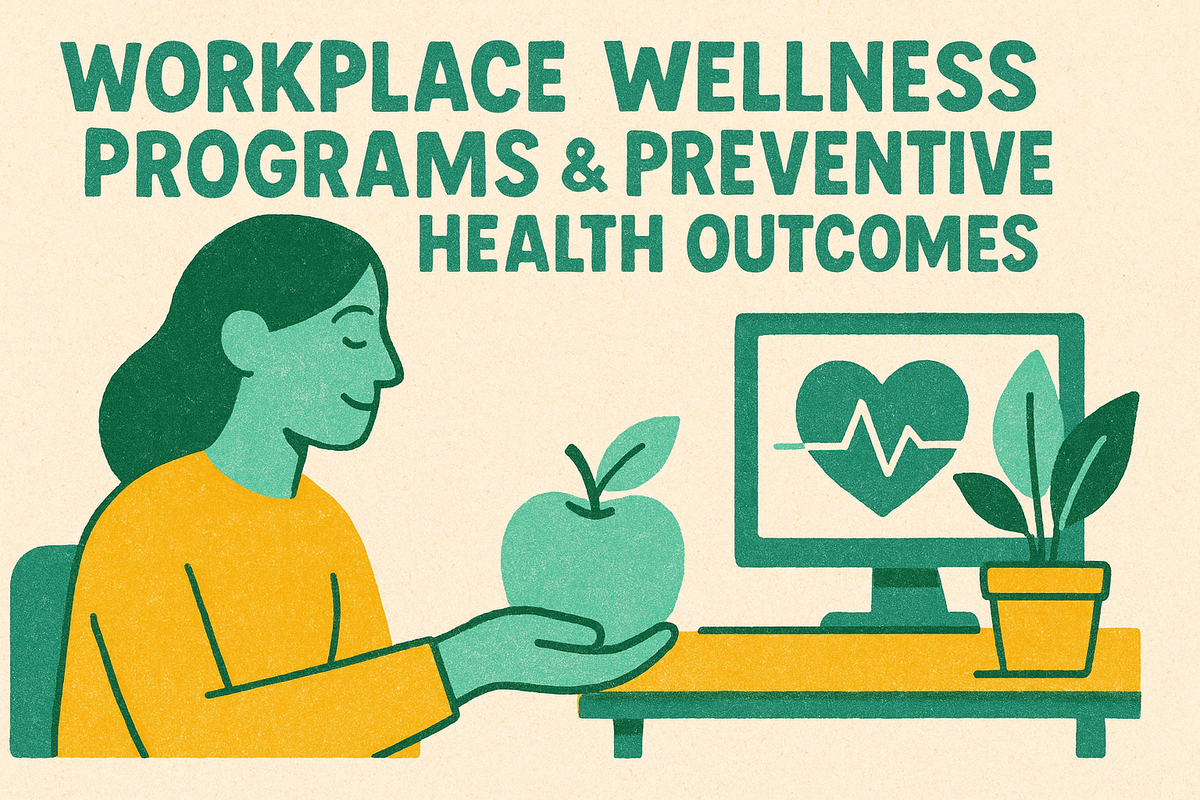
Most wellness programs reach the healthiest workers, leaving behind those who need help most.
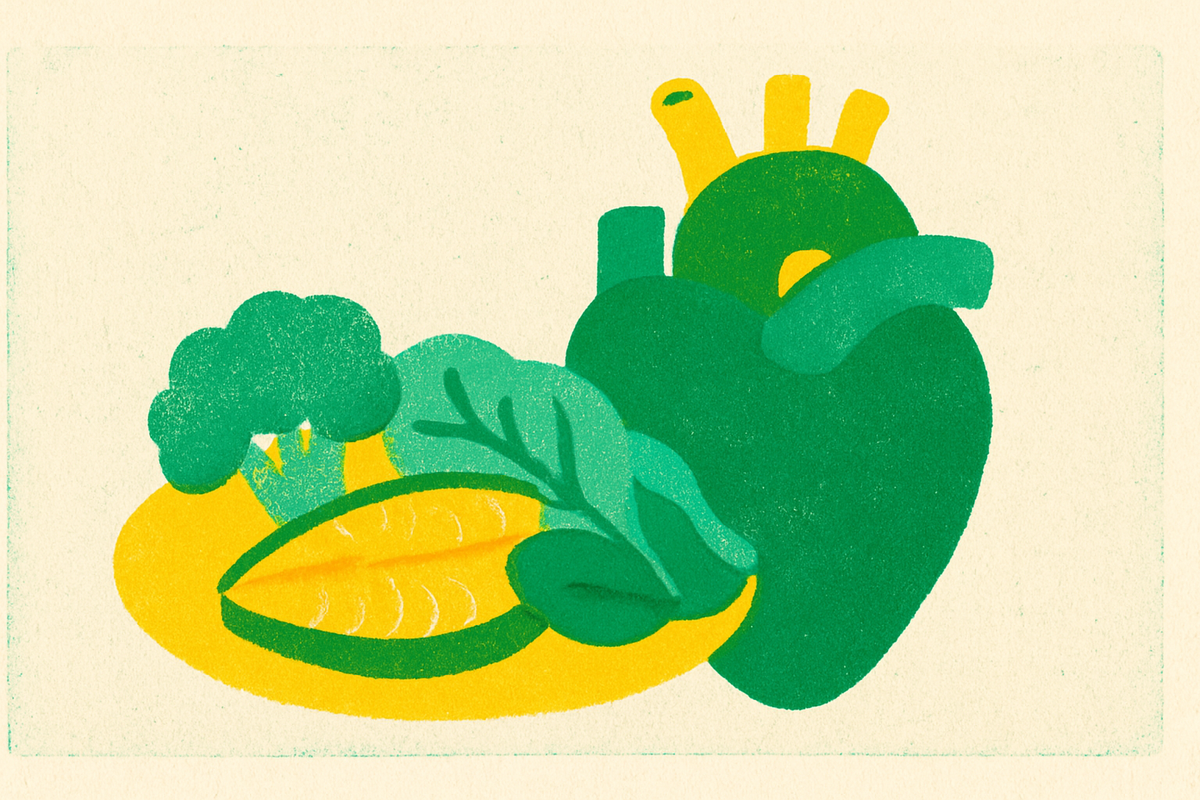
DASH cuts blood pressure through specific portions of whole foods, not vague nutrition advice.
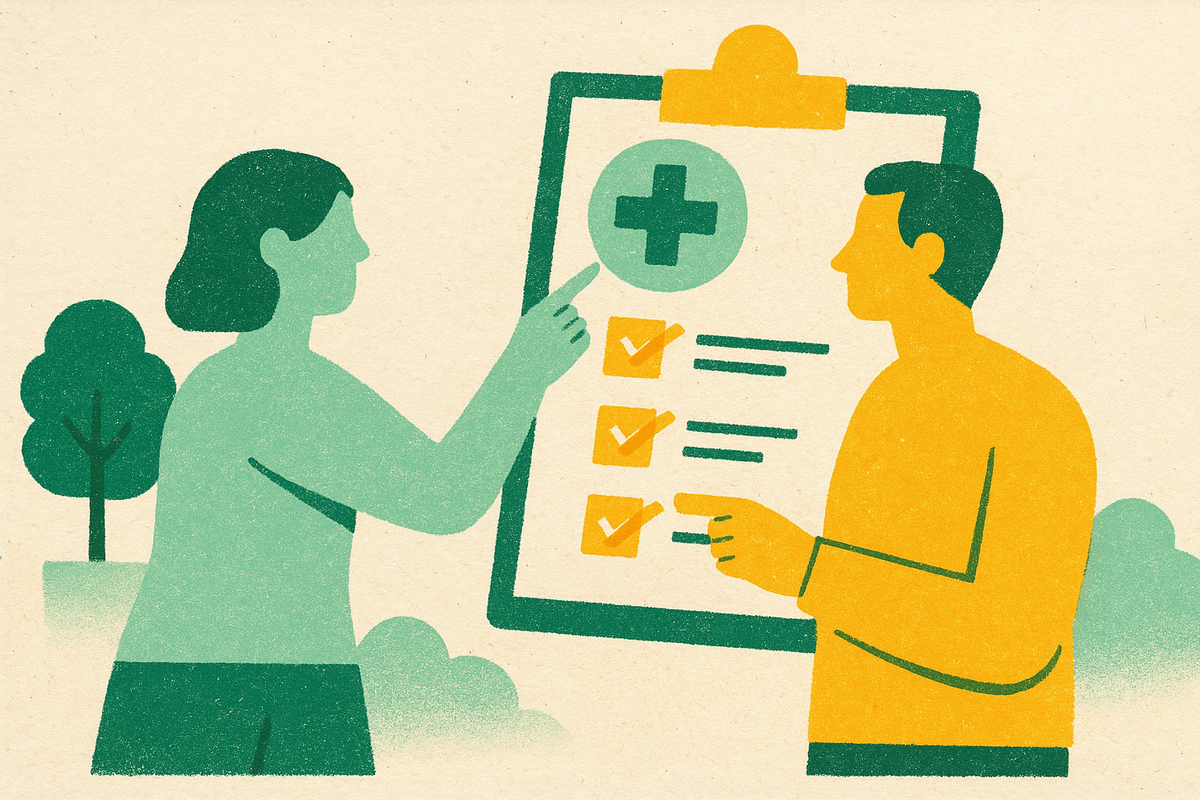
Nonprofit hospitals must complete all six steps of a federal assessment or face tax-exemption loss.
Data gaps reveal why health departments struggle to track equity progress.
Rural mortality for working-age adults has surged sevenfold since 2000, signaling systemic failure.
Medicaid covers preventive care but half of eligible enrollees don't actually use it.