How Long a Mental Breakdown Typically Lasts
Recovery speed depends on what caused the breakdown and what support remains available.
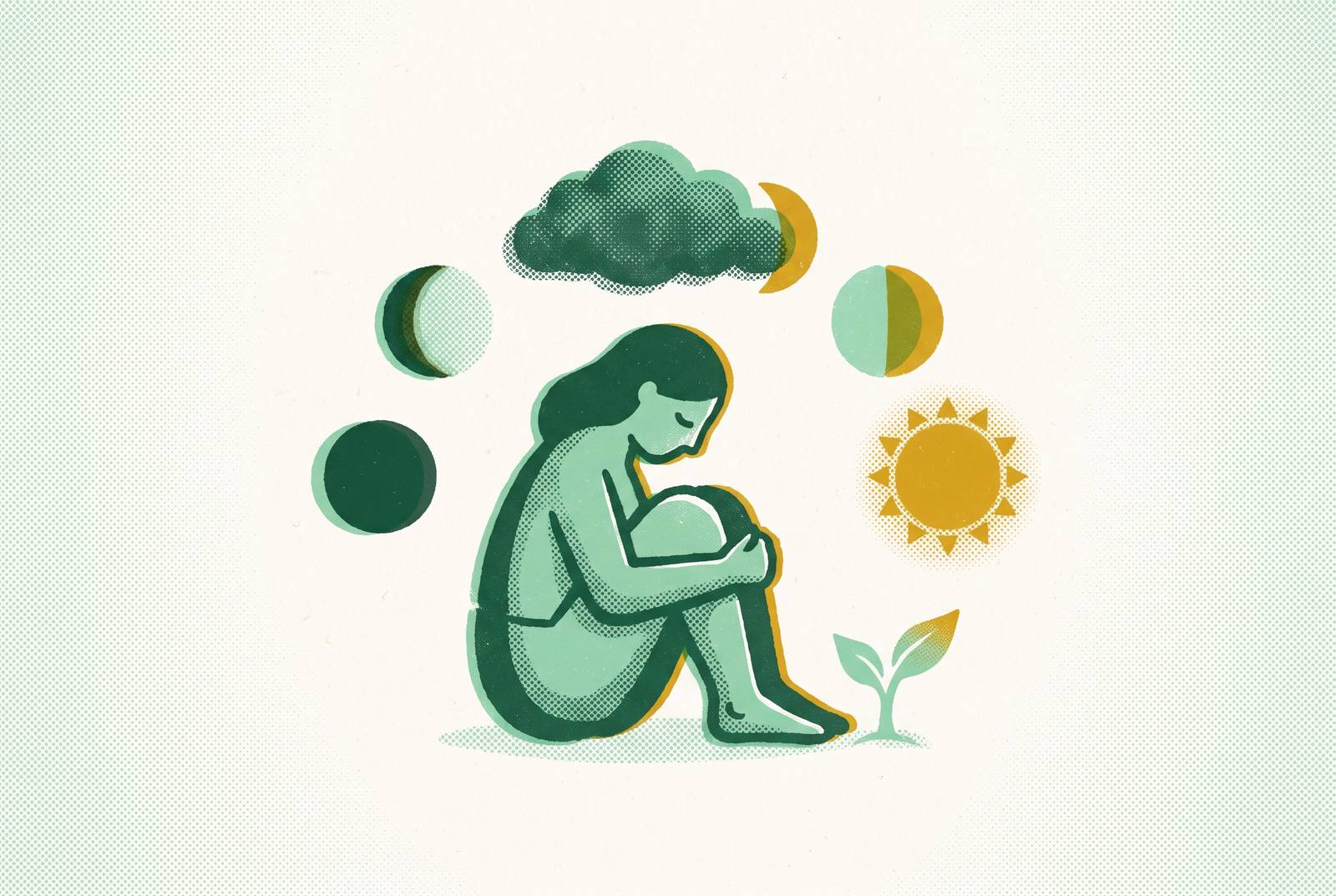
A mental breakdown has no single typical duration. The acute crisis may last days, while stabilization and fuller recovery can take months or longer. Understanding that difference makes the timeline less confusing. This article explains the phases of recovery and why their length depends on the underlying causes, the pressures that remain, and access to support that addresses both symptoms and daily life.
Why "mental breakdown" has no fixed clock
Searching for a clear answer and finding estimates that range from days to years can be frustrating. The problem starts with the term itself. “Mental breakdown” and “nervous breakdown” describe a crisis in which demands exceed a person’s capacity to cope, with acute anxiety, depression, dissociation, or an inability to function in daily life. Because those experiences can arise from different conditions, they do not share a single recovery schedule.
What, then, does an estimate of duration describe? It may refer to the most intense symptoms, the return of basic daily function, or the restoration of resilience. Those are different points in recovery. The duration of the collapse is not a biomarker with a fixed threshold. A phase-based framework is therefore more useful than one number, because it distinguishes the immediate crisis from the longer work of recovering.
The four phases a breakdown moves through and what each one feels like
The four-phase framework sets out the phases of acute crisis, early stabilization, integration, and full recovery. Its ranges are guides. They overlap because symptoms and the ability to get things done do not change in neat steps. A person may be able to do some daily tasks again while still struggling with exhaustion or severe anxiety. Assessing recovery requires considering both how much time has passed and what capacity has returned.
Acute crisis, roughly days one through fourteen, is generally the shortest phase and the period of greatest impairment. Symptoms are at their most intense, and daily function is at its lowest. The priority is survival and safety. Distress can affect body, mind, and behavior at once, including exhaustion that sleep does not fix, disrupted sleep, appetite changes, chest tightness, racing thoughts, mental shutdown, and withdrawal. Suicidal thoughts require immediate professional support.
Early stabilization, roughly weeks two through six, brings some easing of symptoms and a partial return of daily function. Capacity remains limited, and progress is uneven. Integration, roughly one to six months, begins as most function returns but the person has not regained their baseline. This is a difficult phase to pace. People can feel well enough to push themselves before they are resilient enough to absorb setbacks.
Feeling better is not the same as being recovered. Full recovery, often taking many months from the initial collapse and sometimes longer, involves stable energy, consistent emotional regulation, and renewed resilience. The buildup before collapse also helps explain the pace afterward. A progression through honeymoon, onset, chronic stress, burnout, and habitual burnout describes how strain can accumulate before daily life becomes unmanageable. The visible crisis may be brief compared with the pressure that preceded it.
Why some breakdowns resolve in weeks while others stretch into years
A discrete event, such as sudden loss, a single traumatic incident, or a bounded work crisis, tends to allow a shorter recovery than years of accumulated stress. Individual recovery can vary from that tendency. The distinction is whether the source of overload has ended or remains active. Long-standing causes need care before someone can get better and stay better.
A collapse that appears sudden may follow months or years of strain, and a chronically activated nervous system needs time to relearn regulation. Anxiety, depression, trauma, or another mental health condition that was there before can also make recovery take longer. In that situation, the crisis may represent an underlying condition escalating. Relief from the immediate symptoms does not remove the need to treat that condition.
A further question is whether the original demands can be reduced. If demands, harmful relationships, or health problems stay the same, the pressures driving the breakdown may last throughout recovery. Rest has limits under those conditions. Reducing obligations and addressing those sources of overload can make stabilization possible. At the longer end of the range, unaddressed PTSD, chronic stress, or compounding substance use can keep a crisis going for years.
These factors are prompts for assessment. The relevant questions concern what preceded the collapse, what is still active, and what care is available. Someone recovering from a bounded crisis faces a different task from someone whose underlying condition remains untreated. Time alone cannot explain that difference. Nor does a longer recovery, by itself, show that someone is making less effort.
How social conditions — housing, food, medication access — act as hidden prolongers
How much a person can reduce stress depends partly on what they go home to each day. Housing instability, food insecurity, and disrupted medication access are active barriers to stabilization. Clinical care cannot remove them on its own. Treatment may help with symptoms while daily circumstances continue to undermine the gains. Some people need practical support to recover.
Consider what it takes to sustain treatment. Transportation gaps, financial strain, and housing chaos can lead to missed medication doses or appointments, interrupting the support intended to stabilize the person. A treatment plan depends on access in practice. When that access breaks down, the conditions associated with the crisis can remain in place. The gap between receiving a plan and being able to follow it becomes part of the recovery timeline.
Food Insecurity, Neighborhood Disorder, and Homelessness among People with Serious Mental Illness reports a persistent association between food insecurity, neighborhood disorder, and poor mental and physical health among people already engaged with behavioral health services. Engagement alone was not enough to erase that association. The finding challenges the assumption that clinical contact resolves the conditions surrounding illness. Closing that gap requires support in the life a person is actually living.
Why the right support shortens recovery and what "right support" actually means
Support is one of the most actionable influences on duration, but its usefulness depends on what it provides. Someone may need treatment, help with basic needs, or a person they trust enough to accept either kind of help. Presence alone is not the whole answer. When people have no one to turn to, building a support network that includes professional help becomes a key part of treatment.
Therapy, medication, or both can substantially shorten recovery for many people. With treatment, recovery often happens over weeks to months, while an untreated crisis can persist for many months or years. These are broad patterns. Treatment must address the underlying condition, and the person must be able to engage with it. Trust can be damaged during a breakdown, making a scheduled appointment only one part of the help required.
Peer support addresses a different part of that problem. People with lived experience of serious mental illness or crisis can offer understanding and practical guidance grounded in shared experience. That connection can help people trust again. It is especially relevant during integration, when returning function may coexist with uncertainty about identity, purpose, and vulnerability. Clinical symptom relief and rebuilding a sense of self are related, but they are not identical tasks.
Longitudinal Impact of Peer Support on Self-Compassion, Self-Stigma, and Mental Health Among Individuals with Mental Disorders found a link between having more peer support and having more self-compassion and less self-stigma. Those changes were linked to less psychological distress, feeling better about recovery, and being more satisfied with life. Association is not a promised outcome for everyone. Community-grounded support becomes particularly useful when it also helps people navigate housing, food, medication access, appointments, and behavioral health resources.
What the healthcare system's structural failures add to individual recovery time
People who ask for help right away may still have to wait for the care they need. Emergency departments do not have the space, resources, or trained staff they need to care for people with high-acuity mental illness for long periods. They can become places of waiting rather than settings suited to sustained psychiatric care. This creates a mismatch at the point of greatest need. A person’s acute phase can be extended by both the structure of care and the severity of symptoms.
Reduced availability of inpatient psychiatric beds has compounded that strain, with waiting times projected to increase. The bottleneck sits between urgent need and appropriate placement. That delay is distinct from the time treatment itself takes to work. To understand how long a breakdown lasts, it helps to separate the time the illness takes from the time added by trouble getting care. Otherwise, a system constraint can be mistaken for a feature of the person’s recovery.
Support in the community and support led by peers fill parts of this gap without relying entirely on how many people can get inpatient care. They do not replace professional crisis care. Their role includes reaching people before a crisis and supporting recovery beyond an emergency setting or clinical appointment. That continuity is particularly important when housing, food, or treatment access remains unsettled.
What actually shortens a breakdown — a practical account of the recovery arc
Tasks should be matched to the phase. During acute crisis, reduce demands to the absolute minimum and focus on rest, stabilization, safety, and professional support. Suicidal thoughts call for immediate professional help. This is not the stage for restoring productivity or setting a deadline for normal life. The immediate goal is to make the crisis safer and reduce what is overwhelming the person.
During early stabilization, begin or continue therapy and establish a gentle, consistent structure through regular sleep, basic nutrition, and brief movement. Keep expectations proportionate to the capacity available. Some returning function is a reason to build carefully. Pushing too hard can trigger setbacks. Relinquishing a fixed return date allows recovery to respond to actual changes in symptoms and function.
During integration, the emphasis shifts toward rebuilding social connection, meaning, and a workable daily life. Carefully address the work demands, relationships, and financial stressors that contributed to the collapse. Peer support can be especially useful here. The task is no longer only to manage symptoms, but to rebuild a sense of self and purpose without outrunning fragile energy.
Participants in research on recovery from serious mental illness describe reclaiming autonomy, rediscovering a self beyond illness, and finding renewed purpose through relationships and contributions. Those aims give recovery substance beyond symptom reduction. They also explain why durable progress depends on conditions that allow a person to make choices and sustain connections. Recovery is possible, but it is not passive.