Hypertension Management in Community Mental Health Settings
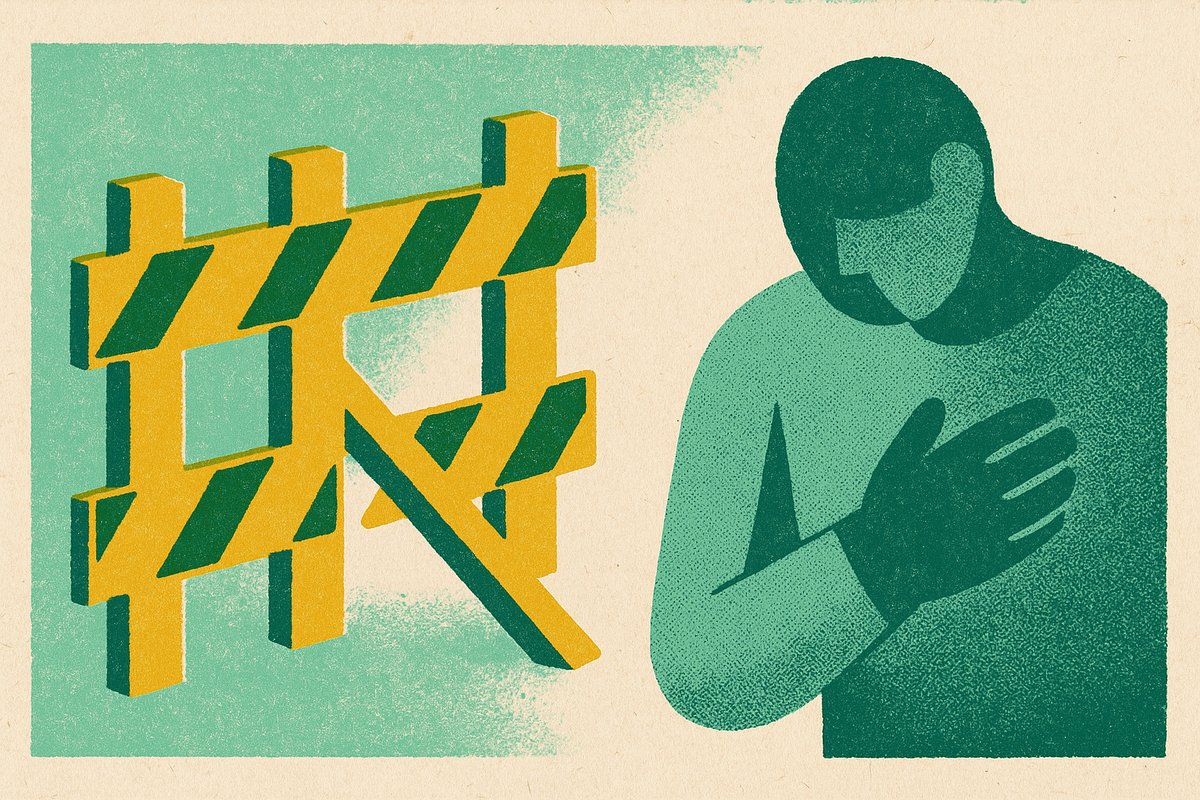
Treating hypertension in mental health settings closes a dangerous gap in chronic disease care.
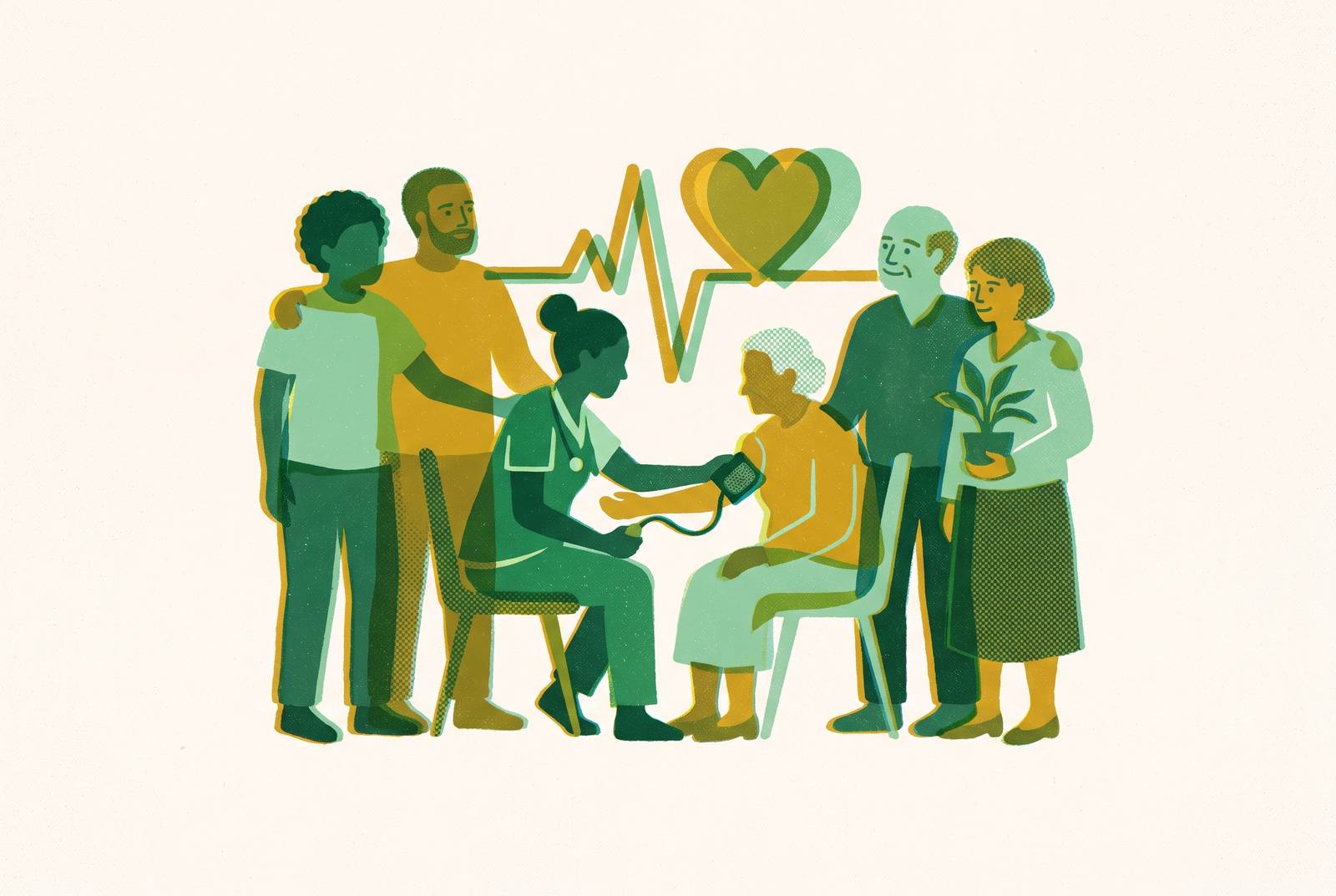
Hypertension management in community mental health settings addresses a failure that more appointments alone cannot fix. People with serious mental illness (SMI) see health care providers often but get poorer care for chronic disease. Closing that gap requires community-based care that connects clinical treatment with trusted relationships and practical support for housing, food, and medication access.
Why people with SMI die early from cardiovascular disease, not from suicide
People with severe and persistent mental disorders have a life expectancy roughly 10–25 years shorter than the general population. The gap is widening despite broader gains in longevity. Its main driver is preventable cardiovascular disease. Cardiovascular disease accounts for the large majority of deaths among people with bipolar disorder or schizophrenia, placing their health needs firmly within chronic disease medicine as well as psychiatric care.
That changes the question health systems must answer. How well do they manage the physical conditions that put these patients at risk? Hypertension, dyslipidemia, and diabetes drive the cardiovascular burden, yet all are, in principle, manageable with existing care. Public estimates dramatically understate the life-expectancy gap, leaving the scale of this failure largely invisible to the society funding those systems.
High contact with the health system, low quality of chronic disease management
A population-based observational study that used linked British Columbia administrative data found that people treated for comorbid SMI and/or substance use disorder had more primary care visits, emergency department visits, and hospitalizations. But these patients got less of the recommended laboratory testing and medication management for diabetes or hypertension. They were not simply absent from care. The shortfall was in what happened during their contact with the system, making quality of care a distinct problem from conventional access or coverage.
The blind spot also runs in reverse. Mental health screening is still rarely part of hypertension care, especially in low- and middle-income countries. Stress, anxiety, and depression have strong negative correlations with both physical and mental quality-of-life components among patients with hypertension. These associations challenge any model that treats physical and mental health as separate concerns.
The quality-improvement study NCT04696653 tested an adapted CUSP implementation strategy to help mental health centers deliver evidence-based cardiovascular risk factor care for hypertension, dyslipidemia, and diabetes. Its focus was not simply on increasing attendance. It addressed whether providers could turn existing contact into appropriate treatment, the question raised by the British Columbia findings.
The structural and relational barriers that make hypertension go untreated in this population
A study of community health service participation among people with severe mental disorders identified stigma, concerns about information disclosure, limited social support, and feared effects on family members, including children’s education or marriage prospects. Participants also reported doubts about service effectiveness, limited awareness of available services, and beliefs that services were unnecessary. These are not merely appointment-booking problems. They concern what accepting care might expose, whether it will help, and whom a person can trust.
Someone who doubts that a service will help or fears sharing personal information may see little reason to use it, even when it is nearby. Treating that response as patient failure misses the conditions shaping it. Relational continuity offers a different starting point because a consistent, trusted contact allows later encounters to build on earlier ones.
Providers also have too little training, time, and support from the places where they work to care for mental health and hypertension together. Better protocols can help, but protocols cannot supply trust or time on their own. The British Columbia study cannot show which barrier led to each missed test or medication decision. The care model must support both the clinical work and the relationship through which that work becomes possible.
How social determinants of health function as active levers on blood pressure control
The conditions outside an appointment also shape what treatment can achieve. Financial strain, food insecurity, and housing instability affect medication adherence and blood pressure control. A 2025 JAMA study of thousands of US patients found that financial resource strain was associated with 45% lower odds of medication adherence among patients with uncontrolled, treated hypertension.
Hypertension is more prevalent and more likely to be uncontrolled among food-insecure patients than among food-secure patients. Temporary or unstable housing is also associated with poor medication adherence and chronic illness exacerbation in SMI populations. The World Health Organization’s May 2025 World Report on Social Determinants of Health Equity places these conditions within a broader structural account of health. It describes where people are born, grow, live, work, and age as having greater influence on health outcomes than genetic influences or healthcare.
These burdens are not distributed evenly across patients. Population health data show disproportionate food insecurity, transportation barriers, and housing instability among Black and Hispanic/Latino patients, women, younger patients, and people who prefer languages other than English. Language patterns differ within some ethnic groups, so the broad pattern should not be assumed to hold for each person. CMS required inpatient social-needs screening beginning in 2024 for hospitals participating in the Inpatient Quality Reporting program, but no cohesive approved protocol connects that screening to action. Identification is only the first step. When a care model records these pressures but takes no action, the barriers to blood pressure control remain.
Why community mental health settings are positioned to do what primary care offices cannot
Community mental health settings are well placed to address these problems because they are nearby, see people often, and already have relationships with them. Their advantage begins with access already in place. The high service use documented in the British Columbia study suggests that the opportunity is not always another route into care, but better use of contact that already exists. Community settings can build chronic disease management into sustained engagement rather than depend entirely on episodic primary care encounters. Whether they can do so depends on how care is organized.
In a community-based model, help with stable housing, food resources, and medication costs is part of care delivery. Meeting people where they live can also reduce transportation, scheduling, and disclosure barriers associated with presenting to an institution. Community mental health services still need integration and coordination to act on hypertension and related conditions. Their role is not to make primary care unnecessary, but to connect its clinical capabilities with the community relationships through which treatment can become workable.
What peer support contributes to hypertension management that clinical authority cannot
Peer support addresses a part of treatment that credentials alone cannot supply. A peer specialist who has navigated SMI and the health system brings credibility grounded in shared experience. That credibility can help bridge the distrust and disengagement described earlier. The role is practical as well as relational because cardiovascular disease care depends heavily on what happens between appointments. Medication adherence and sustained self-management require more than a treatment decision made in a clinical encounter.
The TTIM intervention used peer educators who shared personal experiences of diabetes management and SMI. The PRIMROSE-A intervention used a peer-coach with lived experience to provide coaching sessions. These peer-led approaches produced clinically meaningful results in the evidence on cardiovascular risk management among people with SMI. A clinical decision-support tool, evaluated separately, was associated with a relative cardiovascular risk reduction at 12 months compared with control. Keeping those findings separate is important. Evidence for a clinical tool cannot be credited to peer support, even when both may belong in integrated care.
Hypertension-specific evidence also shows that peer networks can serve a concrete access function. A 2025 cross-sectional study of people living with HIV and hypertension in rural Uganda found that 57% of peer support group participants reported accessing antihypertensive drugs through the group. The study shows peer networks functioning as a practical medication supply chain in a population different from an SMI population, without establishing a treatment effect.
The NORMI-Heart trial protocol in Norway offers a further rationale. It identifies peer-specialist support and a maintained user perspective as potentially important for successful implementation and long-term adherence to lifestyle changes. The distinction keeps the case for peers proportionate to the evidence. People who receive peer support still need clinical assessment and treatment. Its contribution is to help people remain connected to the care, medication, and resources those clinical decisions require.
The workforce infrastructure behind peer support — and the equity gaps in who can access it
The Center for Health and Social Care Integration reported that, as of 2024, 49 states and DC had established statewide programs to train and certify peer specialists. The vast majority of states also fund at least some peer services through Medicaid. A workforce foundation is therefore broadly in place. Colorado illustrates the move toward more formal standards, with Behavioral Health Peer Support Professionals required to be certified or in the process of certification from January 1, 2026, for reimbursement by a Health First Colorado Regional Accountable Entity. Training and certification make peer support more than an informal resource dependent on local goodwill.
Payment rules still limit who can receive it. Washington State’s non-Medicaid insurance carriers do not currently reimburse for peer services, although credentialed peer support specialists will be able to bill any insurance carrier beginning January 1, 2027. That distinction leaves commercially insured youth and adults without the reimbursed pathway available through Medicaid. People in coverage gaps or without insurance face further limitations. The presence of trained workers, in other words, does not by itself establish access to their services.
This is a workforce question and an equity question. Who gets trained, who becomes certified, and whose work is paid for all shape who can benefit. Financing can reproduce the exclusion that community-based support is intended to address, even as certification infrastructure expands. For integrated care models, the relevant issue is whether health plans and provider systems can make peer specialists’ support available to the people who need it.
What an integrated care model for SMI and hypertension actually requires
Care works best when it brings together a presence in the community, peers who build trust, help with social needs, and clinical coordination. Each component addresses a different point of failure. Proximity helps care reach people where they live, while continuity allows engagement to develop. Support with housing, food, and medication costs addresses barriers that an appointment cannot resolve alone. Clinical infrastructure then makes it possible to act on hypertension when that engagement has been achieved.
Several efforts are working on parts of this design. NORMI-Heart, TTIM, PRIMROSE-A, and the CUSP quality-improvement study represent different attempts to connect cardiovascular care with the needs of people with SMI. They are not interchangeable or finished solutions. Together, though, they draw attention to how people get care as well as whether treatment is available. The CMS screening requirement creates a related policy opening because the unresolved space between identifying a social need and responding to it is precisely where community support can contribute.
For health plans and provider systems, the practical implication is partnership with community-based peer support organizations. These partnerships link clinical care with relationships and help in finding support for social needs that standard visits struggle to provide. The economic case is plausible, but it requires discipline. The British Columbia study found that people used more services and got poorer chronic disease management, but it cannot show that any given partnership will reduce emergency visits, hospitalizations, or costs. Those benefits depend on whether integration actually improves adherence and blood pressure control.
People with SMI need care that treats physical health as part of their lives and recovery. Shared experience can make support credible, while clinical coordination makes that support actionable. Sustainable recovery and whole-person health are inseparable.
Sources
- A Quality Improvement Process to Support Delivery of Cardiovascular Care in Community Mental Health Organizations
- Chronic Disease Management Among People Treated for Comorbid Serious Mental Illness and/or Substance Use Disorders: A Population-Based Observational Study
- Influencing factors of the participation of patients with severe mental disorders in community health service management
- Frontiers
- Unmasking the Mental Health Burden of Hypertension: Examining Psychological Distress, And Cognitive Function, Impact on Quality of Life in Patients Undergoing Treatment in a Tertiary Care Hospital - PMC
- Healthcare provider experiences integrating mental illness screening and management into hypertension care: qualitative systematic review - PMC
- A Quality Improvement Process to Support Delivery of Cardiovascular Care in Community Mental Health Organizations