Community Health Trends
Telehealth Adoption Rates After COVID-19
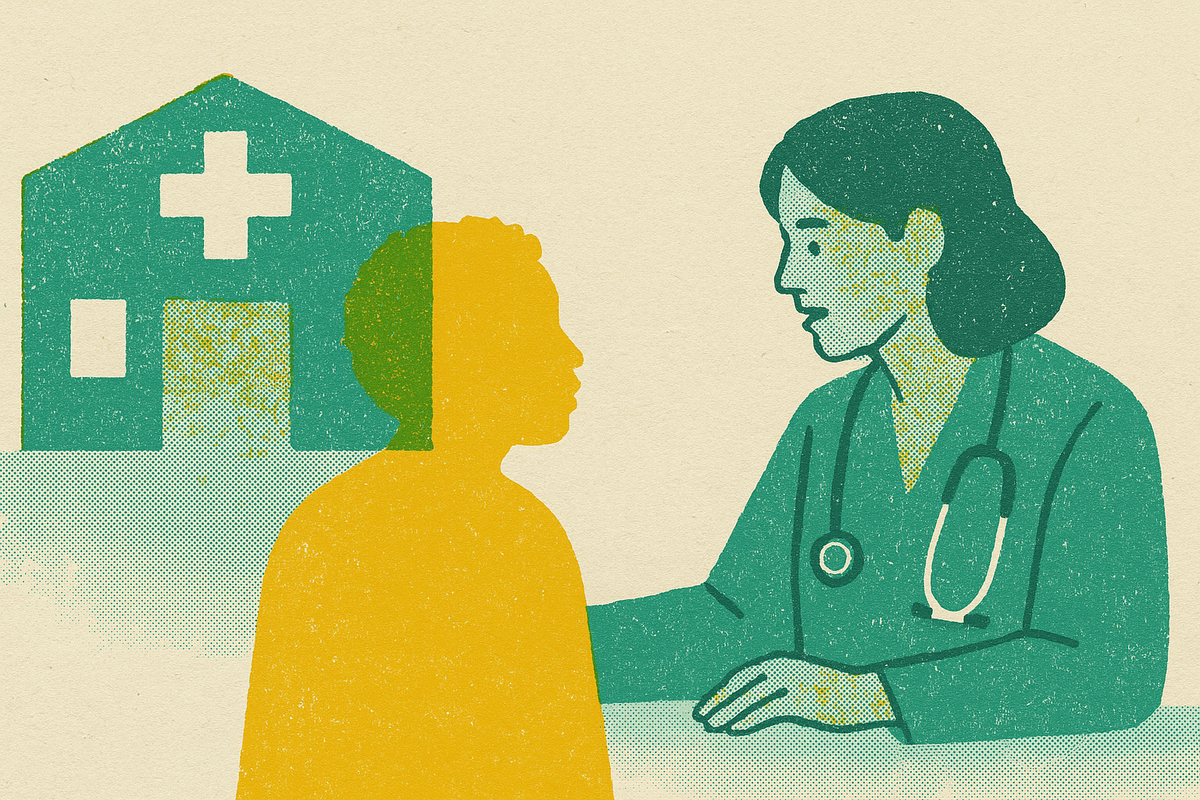
Virtual care stuck where it matched clinical need, not where emergency forced it.
Marcus Bellantyre
Columnist · · 9 min read
Virtual care stuck where it matched clinical need, not where emergency forced it.
Public health departments are finally tracking disparities, but lack consensus on what to measure.
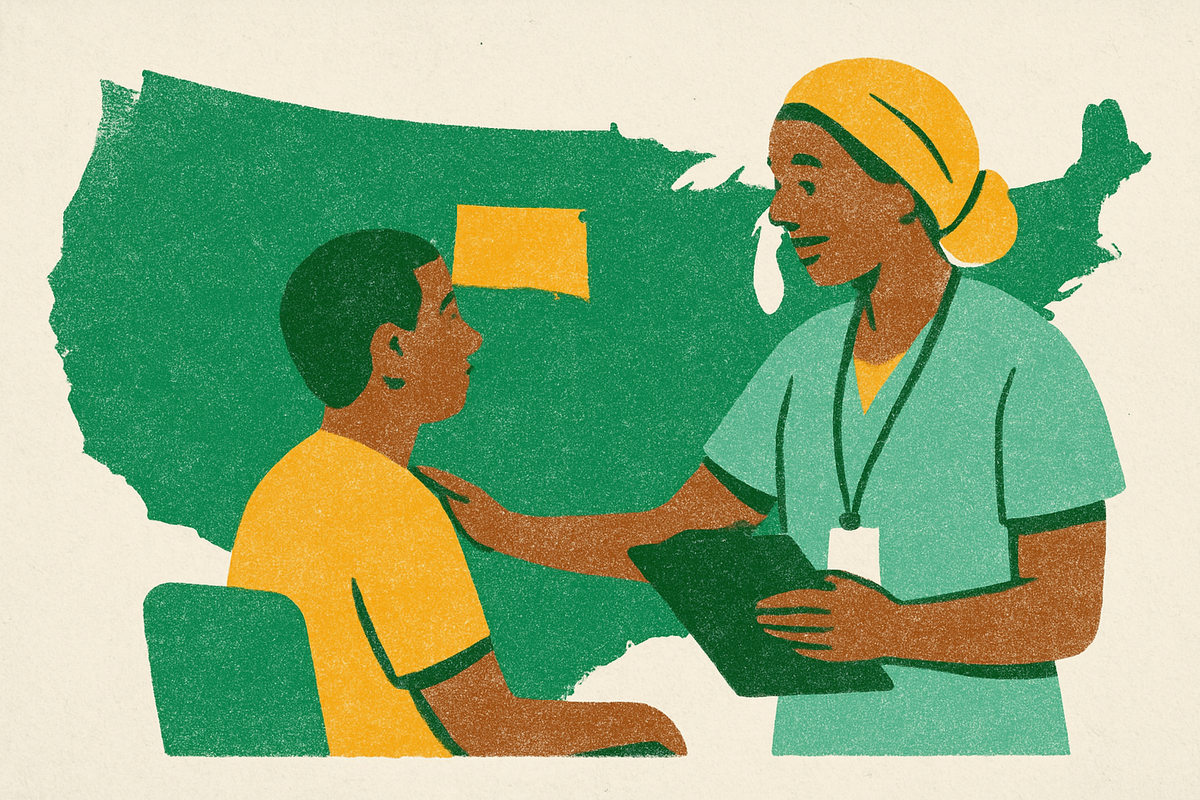
FQHCs serve 32 million low-income patients but face mounting pressure from rising uninsured rates.
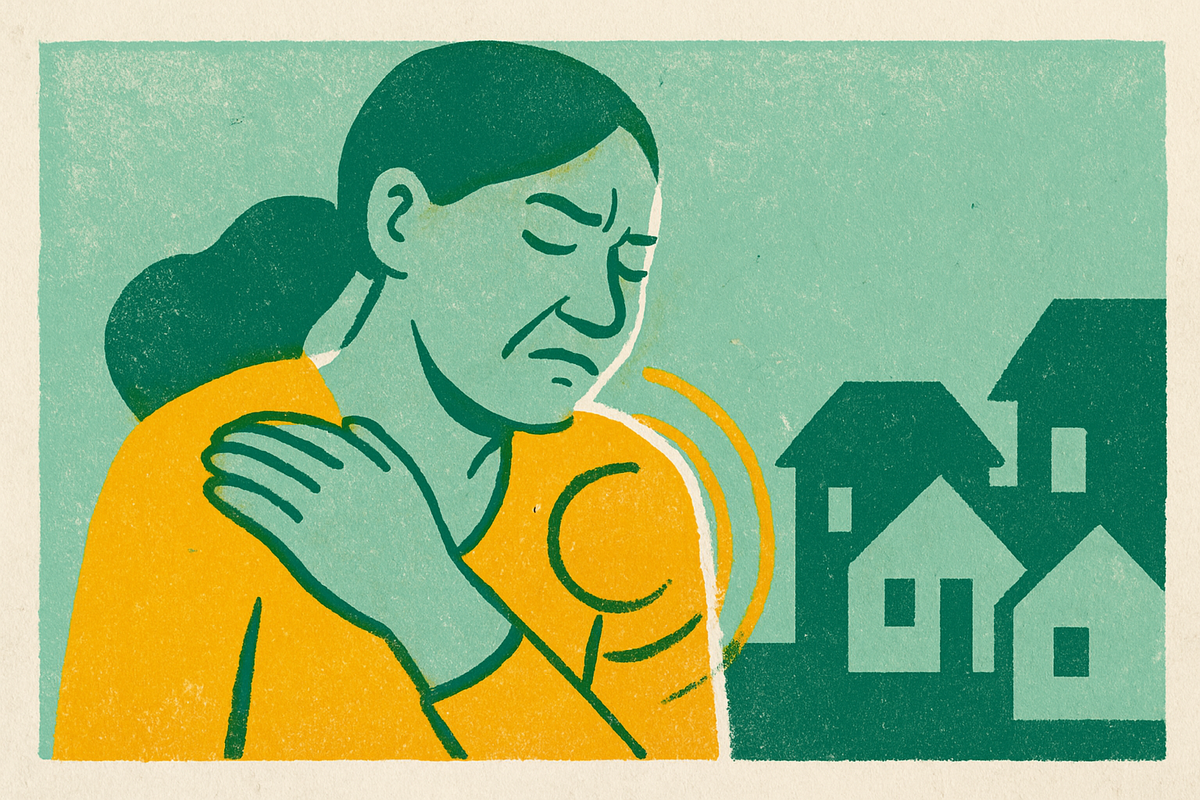
Poverty and geography compound chronic disease risk in ways clinical treatment alone cannot address.
States fund community health workers to reduce costs and reach underserved patients.
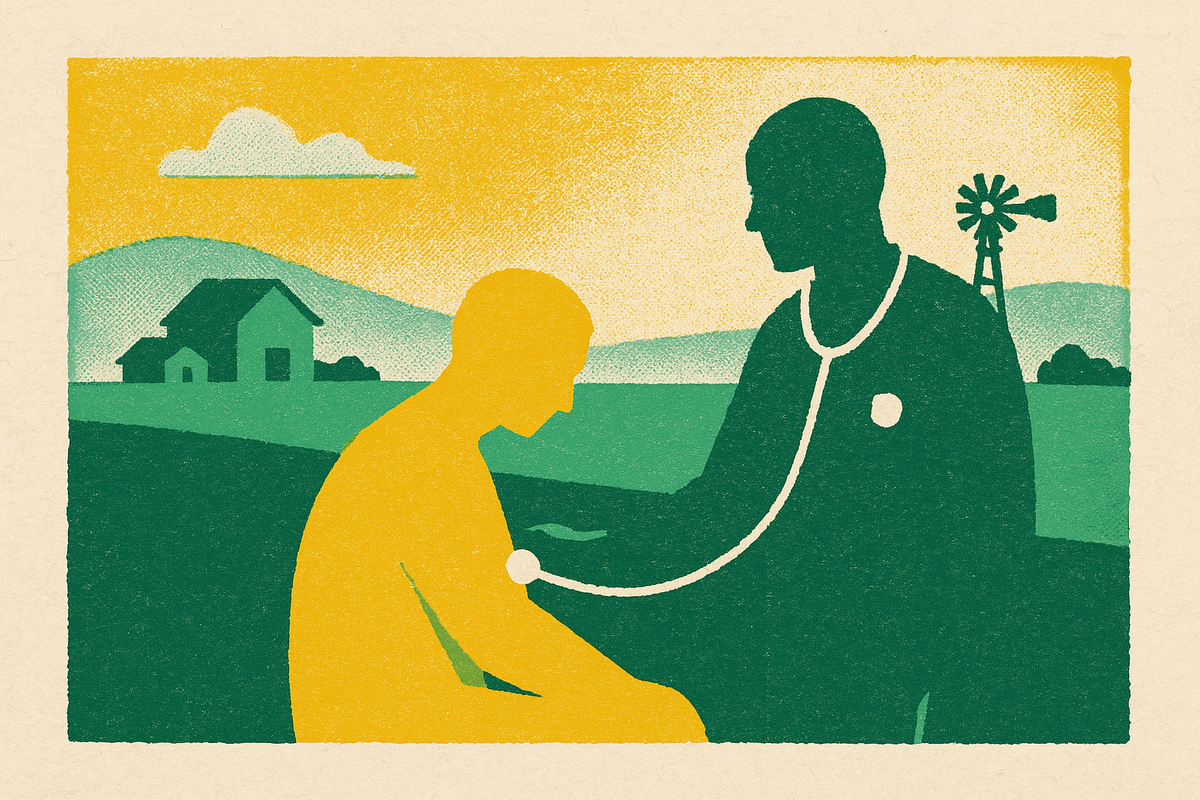
Rural mortality gaps have widened sevenfold as hospitals close and services vanish.
Decades of housing disinvestment from a 1930s lending policy still shorten lives today.
It's a distinct discipline addressing neighborhood conditions that make people sick.
Missed doses and mood episodes, not refusal, drive most treatment dropout in bipolar disorder.
Medicaid's sickest patients skip free preventive care, driving costs upward.
Transparency about how vaccines earn their place on the schedule could defuse parental distrust.
Dietary changes and exercise can prevent hypertension years before medication becomes necessary.