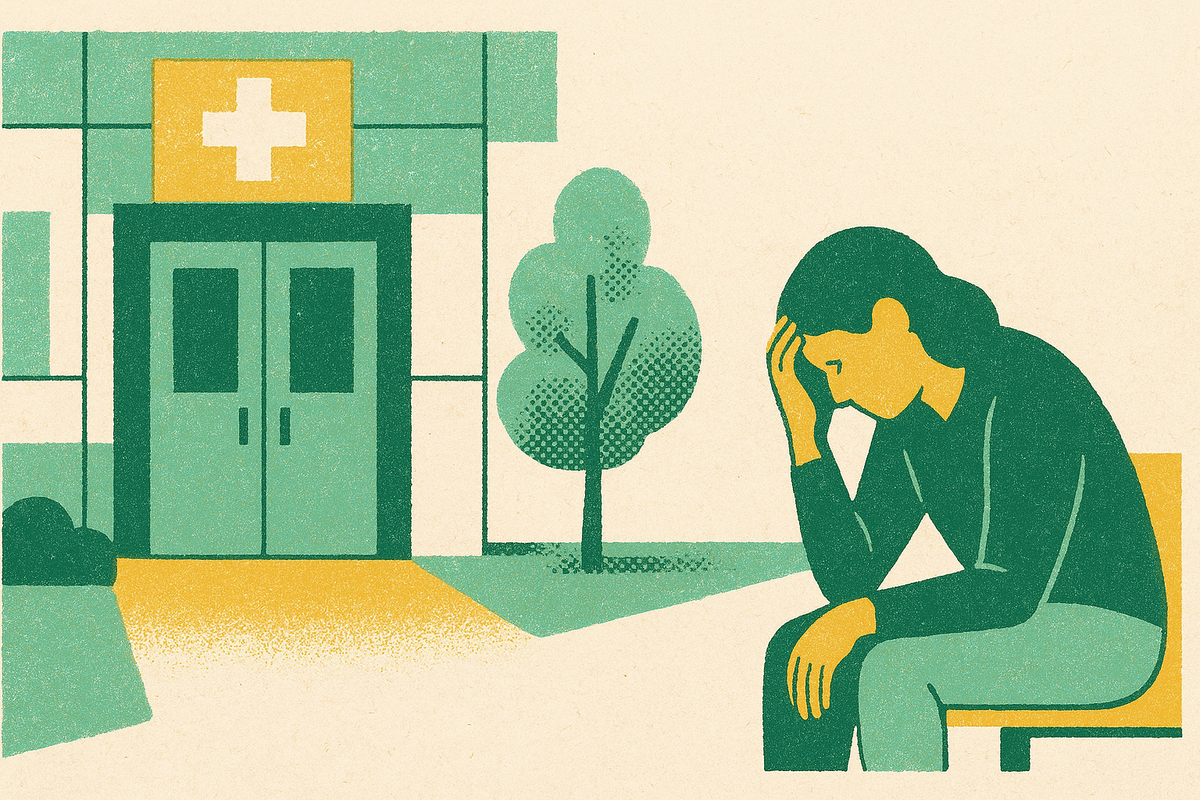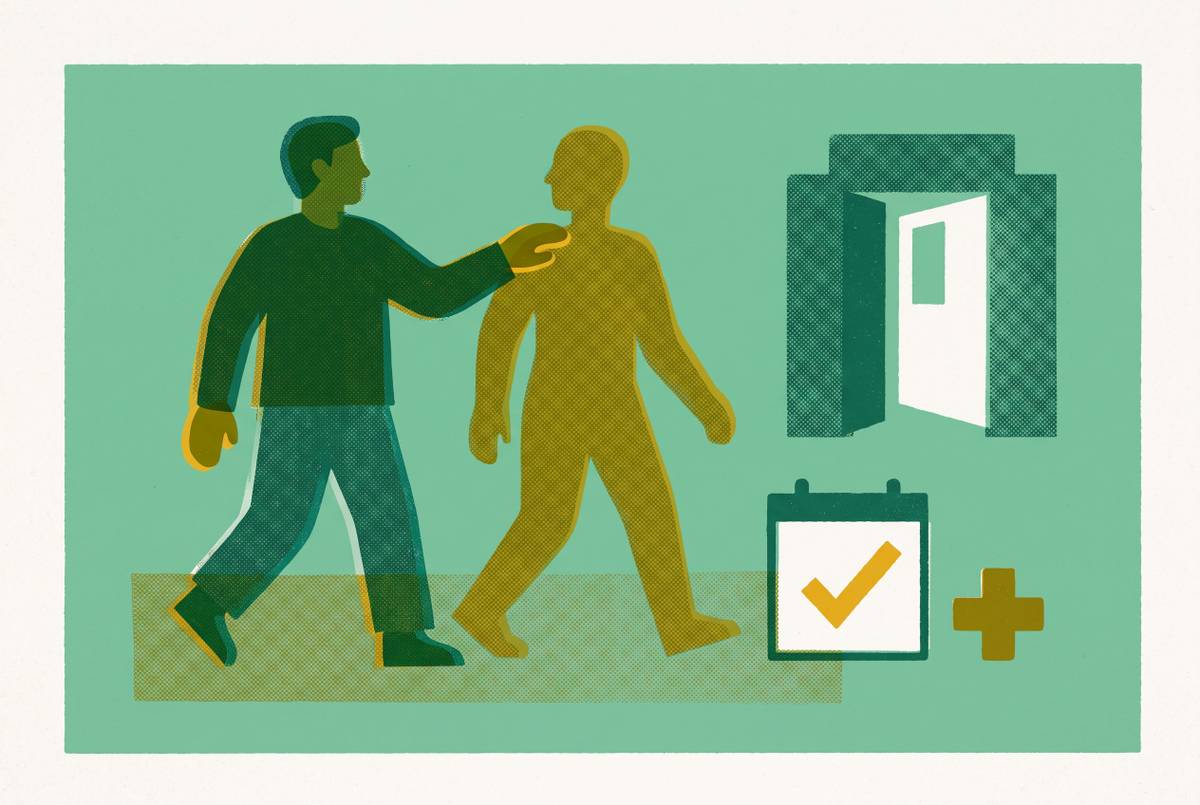
Why Peer Support Specialists Reduce No-Show Rates for Medical Appointments
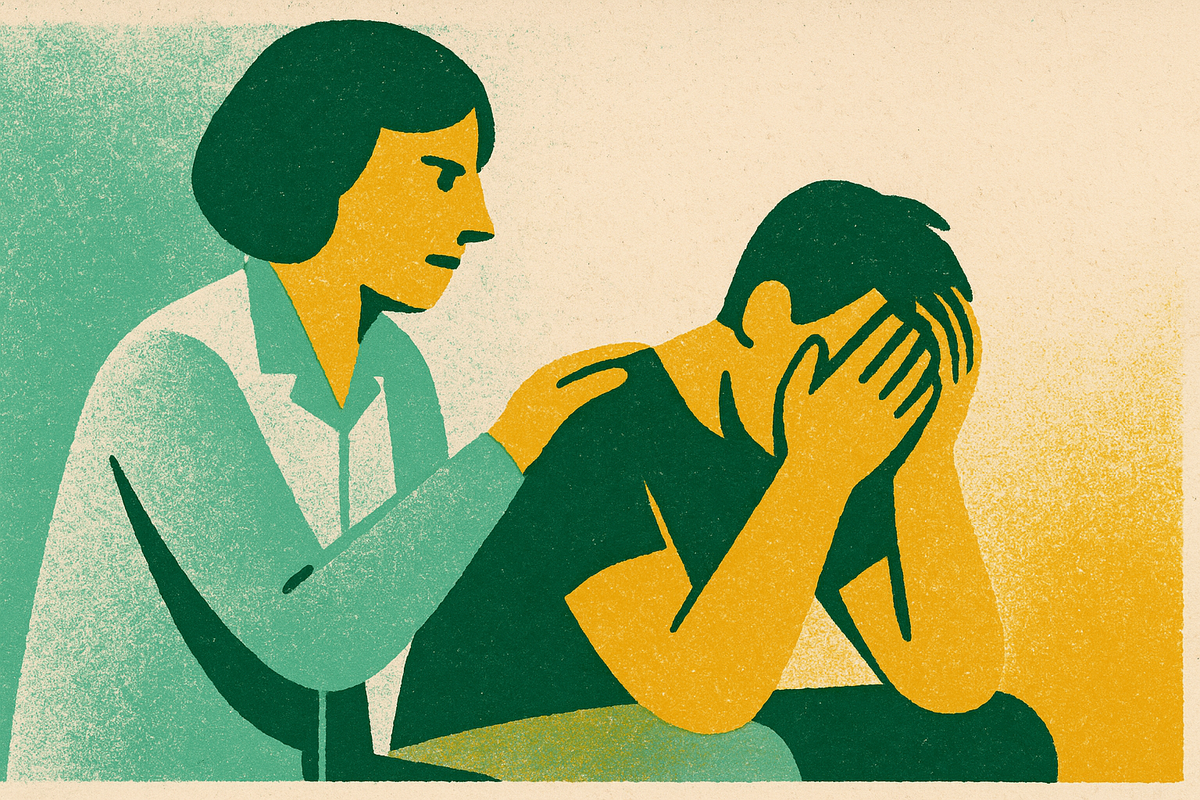
Peer specialists remove barriers and build trust that appointment reminders cannot reach.
Tomás Guerrero-Feld
Staff Writer
Tomás Guerrero-Feld began his career reporting on mental health services for Spanish-language community newspapers in California before broadening his beat to cover the intersection of serious mental illness and primary care integration. He brings particular focus to behavioral health equity across Latino and immigrant communities.
13 stories
Peer specialists remove barriers and build trust that appointment reminders cannot reach.
Early intervention and social support reshape long-term outcomes more than diagnosis alone.
Untreated early warning signs often precede psychiatric crises by months or years.
Stress has a trigger; anxiety doesn't—and that distinction determines if you need rest or treatment.
Symptom control alone won't restore daily life, even when medication works.
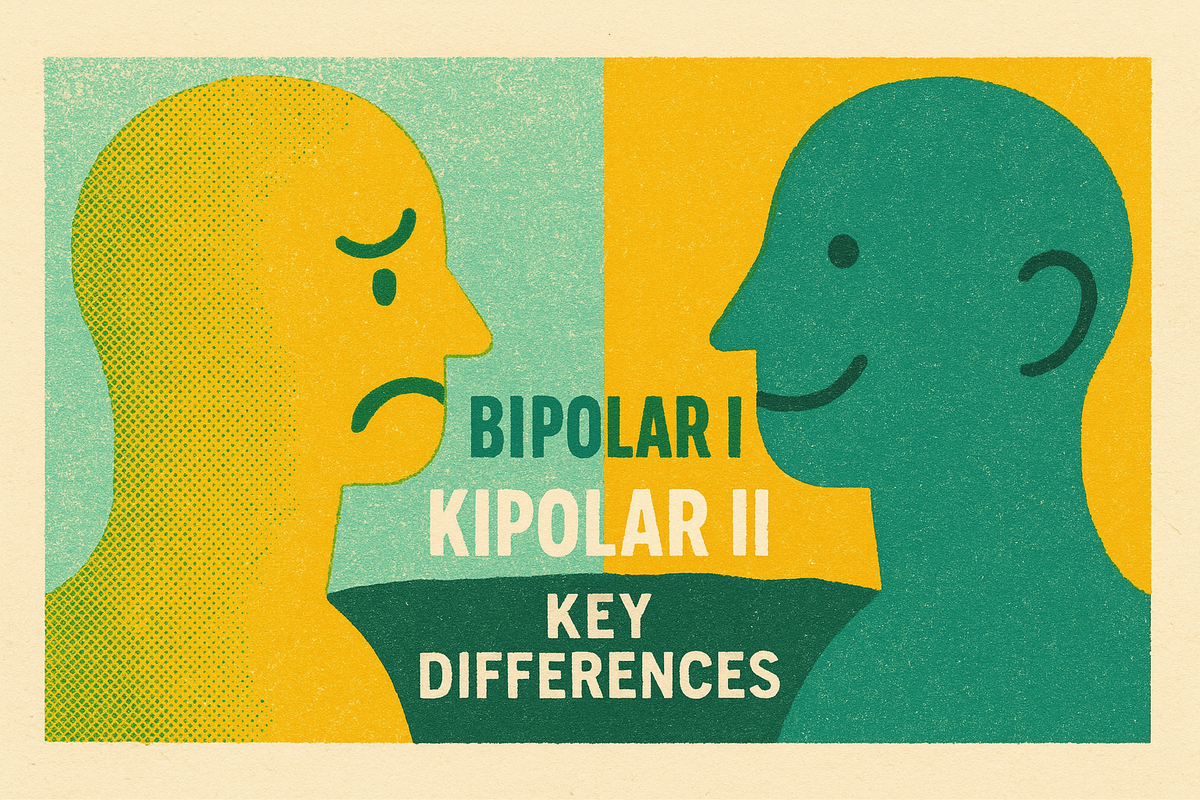
Duration, impairment, and psychosis—not symptoms—determine if it's mania or hypomania.
Knowing the differences between these two medical crises can prevent dangerous delays in treatment.
The only antipsychotic proven to reduce suicide risk in treatment-resistant schizophrenia.
These residential crisis centers cost a fraction of what emergency rooms spend per patient.
Clinicians go to patients instead of waiting for them to show up.
People with serious mental illness die 10-28 years earlier, mostly from preventable disease.
Mania versus hypomania determines diagnosis, risk, and why treatment must differ.
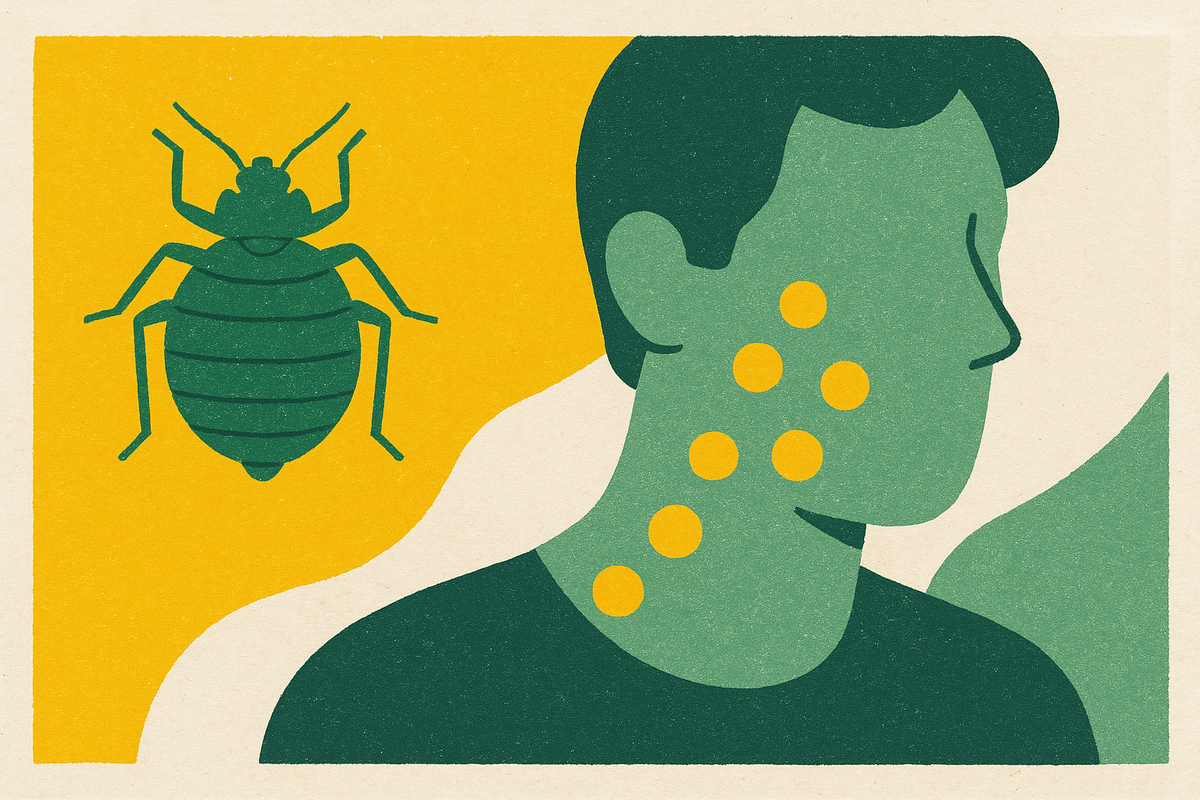
Learn the pattern that separates bed bugs from mosquitoes.