DASH Diet for People on Antipsychotic Medications
The antipsychotic side effects DASH diet was designed to treat.

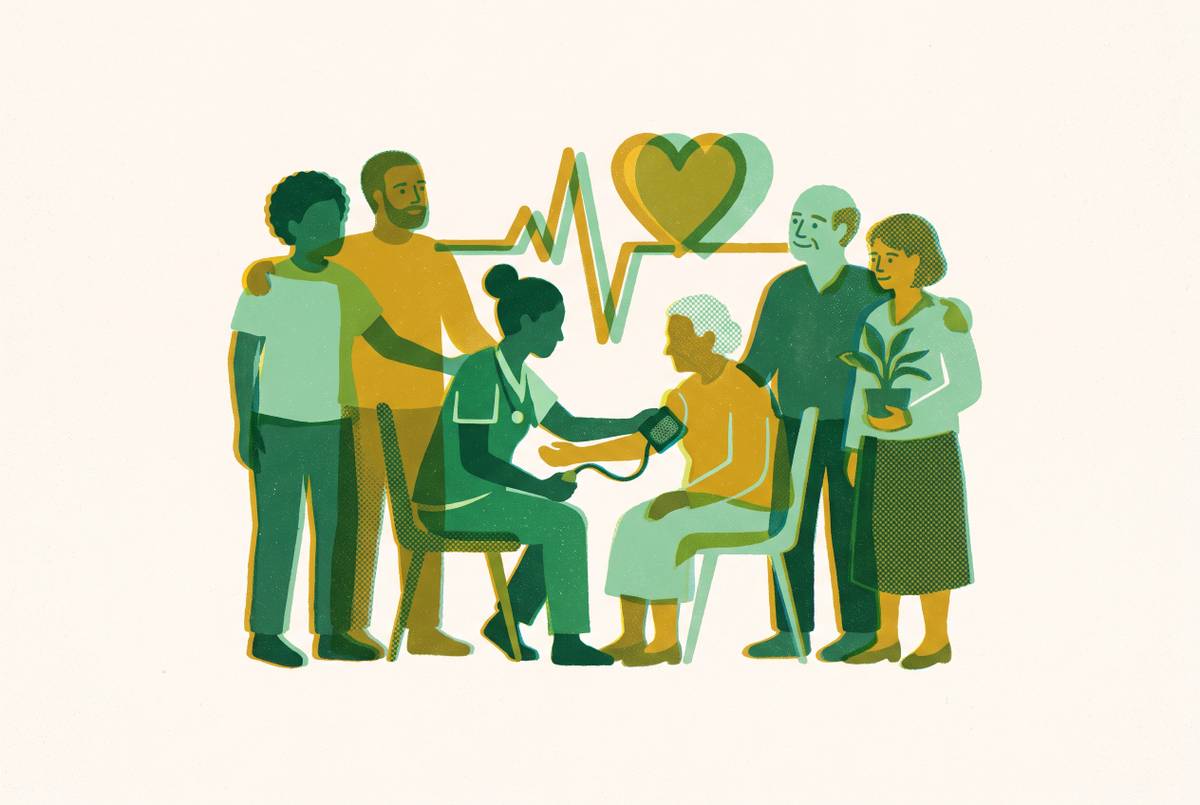
The DASH diet is a well-matched response to the metabolic harm associated with antipsychotic medications because its targets overlap with the weight, blood pressure, cholesterol, and insulin problems these drugs can cause. What support makes the diet possible to follow?
What antipsychotics do to metabolism, and why it creates a compounding problem
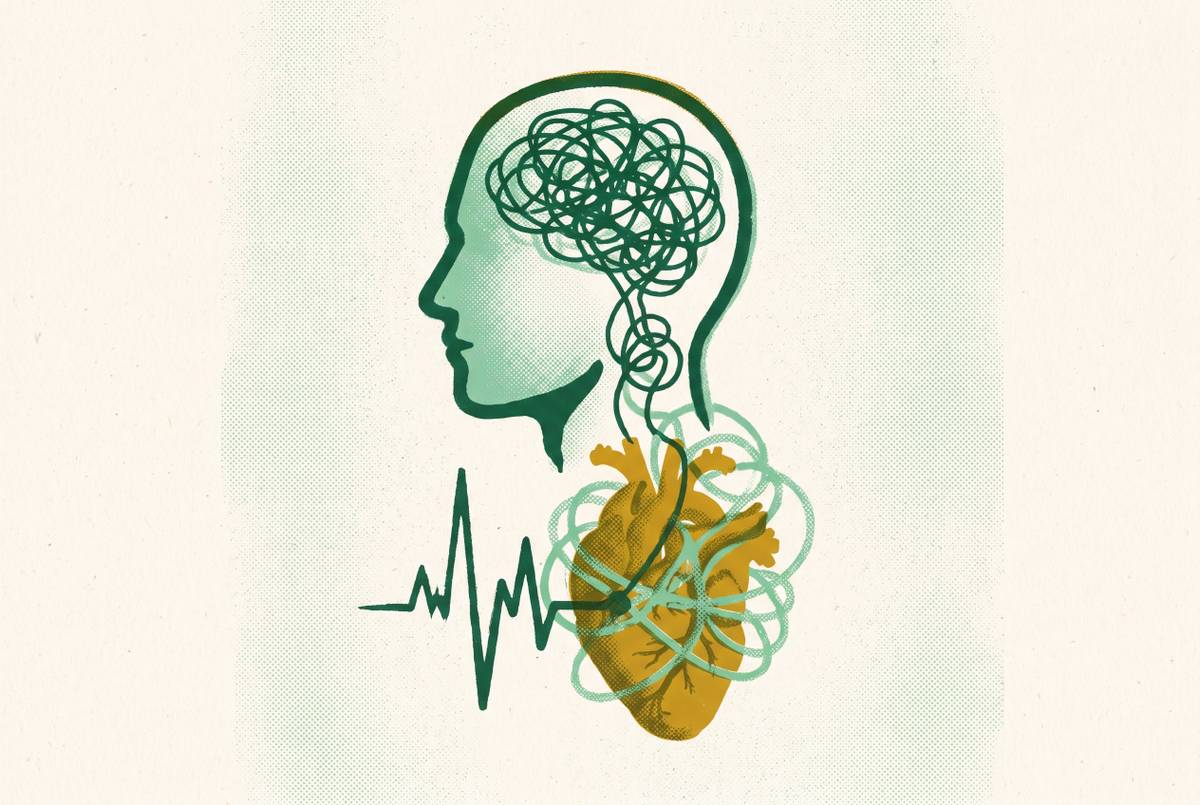
Second-generation antipsychotics, or SGAs, can harm metabolism in ways that go well beyond weight gain. Clozapine, olanzapine, and quetiapine are strongly linked to increased body fat, dyslipidemia, and insulin resistance. These are not simply changes in appearance. They affect how the body stores and uses energy, with consequences for cardiovascular health and the risk of type 2 diabetes.
At the cellular level, SGAs can impair mitochondria, increase oxidative stress, and promote inflammatory activity in the liver, fat tissue, and skeletal muscle. They may also disrupt gut bacteria, reduce short-chain fatty acid production, and increase intestinal permeability, worsening insulin resistance. The effects can converge as metabolic syndrome, or MetS. This cluster includes abdominal obesity, elevated triglycerides, reduced HDL cholesterol, elevated blood pressure, and elevated fasting glucose.
NYSMPEP’s 2024 guidance places clozapine and olanzapine at the highest end of the metabolic-risk range and aripiprazole and brexpiprazole at the lowest. First-generation antipsychotics generally present less metabolic risk but can cause disabling extrapyramidal side effects involving movement. The choice therefore involves competing harms. SGAs are still the main drugs used, so psychiatric care includes dealing with their effects on metabolism.
Metabolic side effects can lead people to discontinue treatment, destabilizing the psychiatric condition the medication was prescribed to manage. That instability can worsen social and occupational outcomes. Care for these metabolic side effects can help protect physical health and keep people in psychiatric treatment.
Why people on antipsychotics face greater metabolic risk than the clinical picture alone explains
People living with serious mental illness, or SMI, already have a higher cardiometabolic risk before they start treatment. People with schizophrenia and mood disorders can have dyslipidemia whether or not they take medication, which suggests that psychiatric illness and metabolic dysfunction are linked through processes in the body. Antipsychotics can accelerate a process already underway.
The scale of that combined burden is considerable. People with SMI have approximately twice or more the likelihood of physical multimorbidity (two or more concurrent chronic conditions) compared with people without SMI. Most deaths in this population arise from physical illness, most commonly cardiovascular conditions. Jabbar et al.’s 2025 community cohort report found that more than two-thirds of people prescribed antipsychotics were overweight, obese, or severely obese. A substantial share also had abnormal HbA1c or cholesterol.
Traditional measures such as BMI and fasting glucose can miss small, subclinical disturbances that indicate medication-related metabolic changes. Meanwhile, differences in real-world metabolic profiles across antipsychotics remain underexplored. What looks like an emerging problem on a routine measurement may therefore have started earlier. The urgency of dietary intervention comes from this overlap between existing vulnerability, medication effects, and incomplete detection.
What the DASH diet is and why its targets align with the antipsychotic metabolic profile
Dietary Approaches to Stop Hypertension, known as DASH, was designed mainly to lower blood pressure, without a specific focus on people with psychiatric illness. It emphasizes fruits, vegetables, whole grains, low-fat dairy, lean poultry, fish, beans, nuts, and legumes, while limiting red and processed meats and reducing sodium. Its relevance here is more specific than general healthy eating. People with SMI often eat foods high in salt, saturated fat, and sugar, with too little fiber and fruit. DASH addresses those same imbalances.
Lower systolic blood pressure helps with the hypertension that is part of MetS, while weight control helps with excess body weight. Greater insulin sensitivity targets impaired glucose regulation. Lower triglycerides and higher HDL cholesterol address the lipid abnormalities within the same syndrome. Rather than focusing on one isolated measurement, DASH offers a non-invasive approach to several problems SGAs can produce at once.
The broader evidence supports considering that combination seriously. DASH has been linked to benefits across obesity, metabolic syndrome, diabetes, stroke, and coronary heart disease. Yet evidence from these conditions cannot establish an equivalent benefit in people taking antipsychotics. How much of that broader promise survives a direct test in schizophrenia?
What the only published RCT of DASH in schizophrenia actually showed — and what it didn't
Sorić et al.’s 2019 randomized controlled trial tested DASH at Psychiatric Hospital Ugljan in Croatia. The three-month parallel-group study enrolled 67 hospitalized people with schizophrenia and MetS, assigning 33 to the intervention and 34 to the control group. The intervention combined DASH with approximately 400 kcal/day caloric restriction compared with the standard hospital diet. Both groups received nutrition counseling.
The intervention group achieved significant reductions in body weight and BMI, as well as a significant improvement in overall diet quality. Those were genuine gains within the study. However, the researchers found no significant differences between groups in MetS prevalence or its individual features at three months. The control group also improved. Because both groups received counseling, and the DASH group also had caloric restriction, attributing the findings to the dietary pattern alone is difficult.
Better diet quality and lower weight did not establish resolution of the metabolic syndrome. Equally, the absence of a significant between-group difference in MetS does not erase the observed gains. The hospital setting provided dietary structure, but the trial did not establish whether those gains would persist in daily community life. It also did not test whether peer support would improve the outcome.
The direct evidence base is still narrow. The trial registered as NCT07844837, “Ultra-Processed Foods, DASH Diet, and Well-Being in Severe Mental Illness,” ran April–August 2026 at Abant Izzet Baysal University. Its results are not yet published in peer-reviewed form, so it signals expanding research. DASH also remains insufficiently studied for cardiovascular and psychopathological outcomes in psychiatric populations. The central tension remains between improving what people eat and demonstrating broader clinical change.
Why dietary intervention without environmental support fails in real-world SMI care
The UK STEPWISE trial illustrates the limits of education alone. It recruited 414 people with schizophrenia in 2015–2016 and tested structured lifestyle education. At 12 months, the intervention produced no weight reduction and no change in physical activity, dietary intake, or biochemical measures. It was neither clinically nor cost-effective. This trial challenges the assumption that providing nutritional knowledge is enough to change metabolic outcomes.
What stands between knowing and doing in practice? Tuschick et al.’s 2026 peer-led qualitative research describes how unemployment, rising living costs, and fuel poverty keep people facing food insecurity. People in the study described going without food, relying on cheap food or food with little nutritional value, and struggling to pay for healthier choices. Advice on what to eat cannot, on its own, change what people can afford. In that setting, apparent non-adherence may reflect limited access.
Housing and daily structure add further obstacles. A Vancouver randomized trial found very low medication possession before a housing intervention among adults experiencing homelessness who had schizophrenia and antipsychotic initiation. That finding about medication illustrates how unstable living conditions complicate sustained treatment. Neumann et al.’s 2025 research identified cognitive, emotional, and practical barriers to healthy eating, compounded by problems with daily structure and feelings of resignation. Together, these findings shift attention from dietary content alone to the conditions of delivery, although they do not prove that environmental support would resolve MetS.
Policy can widen that gap as well. The July 4, 2025 federal budget reconciliation law, the One Big Beautiful Bill Act, enacted significant cuts to Medicaid and SNAP. Those cuts threaten Food is Medicine nutrition access pathways that could help make DASH feasible for low-income people with SMI. Clinical interest in dietary support is growing while access faces pressure.
How peer support closes the gap between dietary recommendation and real-world adherence
Tuschick et al.’s research found that professionals largely recognized the importance of screening for food insecurity, but only a minority did so routinely. Peer-support workers pointed out missed chances to ask whether people could get food and stressed the need to build trust, choose the right time, and talk without stigma. Time pressures, stigma, limited training, and missing tools or referral pathways all impede screening.
Shared lived experience offers a different basis for that conversation. A peer can discuss food, housing, and medication in ways that may be difficult within a brief clinical appointment. The purpose is to make needs visible and connect recommendations with the practical circumstances in which someone must act on them. Trust becomes part of the delivery system.
NYC Health + Hospitals’ expanded Peer Bridger Program helps people as they move from the hospital back into the community. Peer specialists on Critical Time Intervention teams go home with patients after discharge, help them get benefits, and connect them with care in the community. Those functions are relevant to sustaining a structured diet after hospitalization, although the program is not evidence of DASH-specific effectiveness. The model shows how follow-through can be organized.
The iNAPS State of the Peer Workforce census counted tens of thousands of certified mental health peer specialists working under a wide range of job titles. That represents a substantial workforce, yet peer specialists remain underused in nutrition and metabolic care pathways. Their role can connect the clinical recommendation with food access, housing stability, medication support, and medical appointments. Research needs to test whether this improves DASH outcomes. The enabling logic is nonetheless clear, because a well-matched diet must also be reachable.
What people on antipsychotics and their care teams can take from this evidence today
For people taking antipsychotics, the evidence supports DASH as a dietary approach directed at the right metabolic targets. The Ugljan findings offer a reason for interest without a promise of MetS resolution. Consistent effects across sex and baseline weight also support its use as a fairer starting point. However, physiological suitability is not the same as equitable access. A person’s ability to follow the pattern depends on circumstances that a food prescription does not automatically change.
NYSMPEP recommends metabolic monitoring at treatment initiation and at regular intervals. Counseling should also be paired with screening for food insecurity, housing stability, and other social determinants. Measurements identify clinical risk, while conversations about daily life identify obstacles to acting on it.
For health plans and systems, the evidence supports investment in peer-supported community follow-through while leaving its DASH-specific effects to be tested. Ugljan and STEPWISE leave open whether such support will bring metabolic remission, and both give reason for caution in expecting dietary structure or education alone to bring wider benefits. Future research needs to establish cardiovascular and psychiatric outcomes as well as sustained metabolic change. In current care, the decisive question is therefore not only whether DASH fits the harm caused by antipsychotics. It is whether the person has the food, stability, and support needed to follow it.
Sources
- The Effects of the Dietary Approaches to Stop Hypertension (DASH) Diet on Metabolic Syndrome in Hospitalized Schizophrenic Patients: A Randomized Controlled Trial
- Metabolic Abnormalities in Patients Prescribed Antipsychotics for Severe Mental Illness in the community
- Metabolic Health as an Essential Consideration When Using ...
- Effectiveness of DASH Diet versus Other Diet Modalities in Patients with Metabolic Syndrome: A Systematic Review and Meta-Analysis
- The Role of Antipsychotic Medications on Metabolic and Hematological Parameters - PMC
- Dietary challenges and desired support strategies in patients with severe mental illness: insights from a qualitative focus group study - PubMed