Serious Mental Illness
Dual Diagnosis Programs for Co-Occurring SMI and Substance Use Disorder
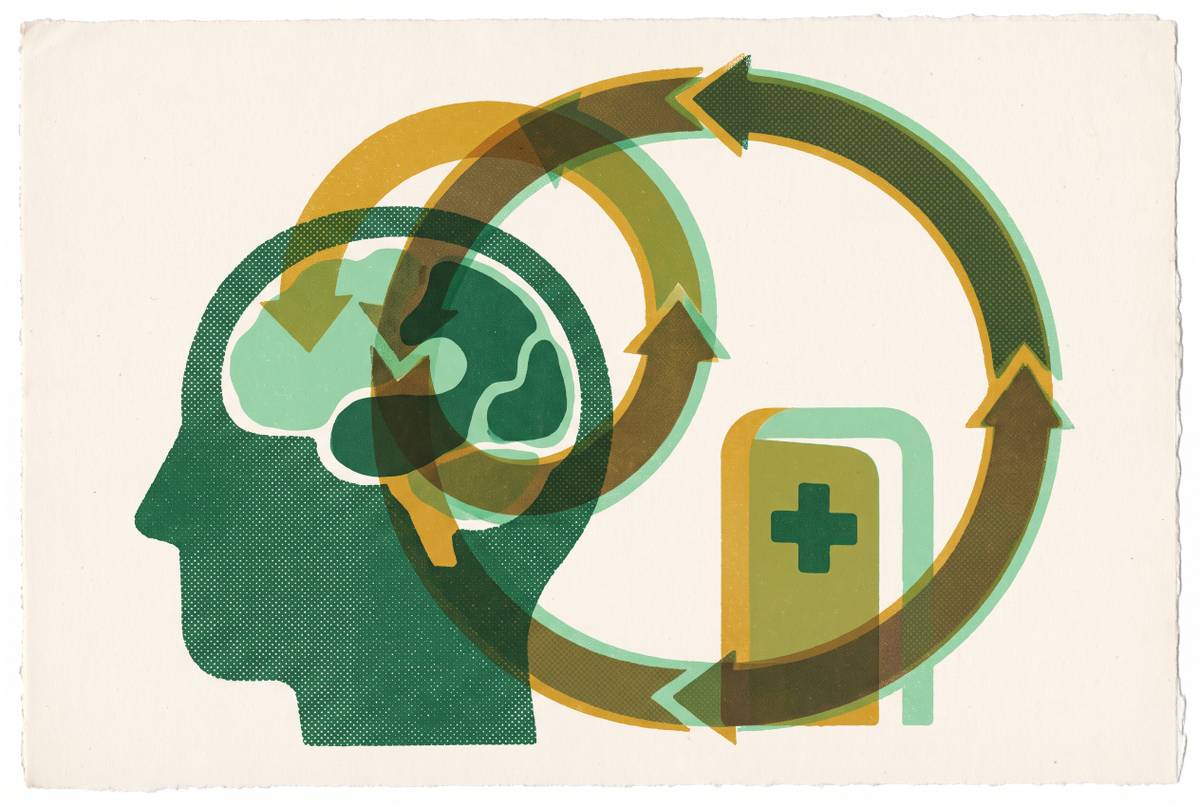
Treating both conditions together prevents relapse better than separate care.
Marcus Bellantyre
· 9 min read
Treating both conditions together prevents relapse better than separate care.
Repeat ED visits reveal gaps in outpatient care and social support.
Nonadherence stems from illness, medication, stigma, and fragmented systems—not personal failure.
How mental illness and substance use disorder reinforce each other in daily survival.
Lived experience, not credentials, qualifies someone to guide recovery.
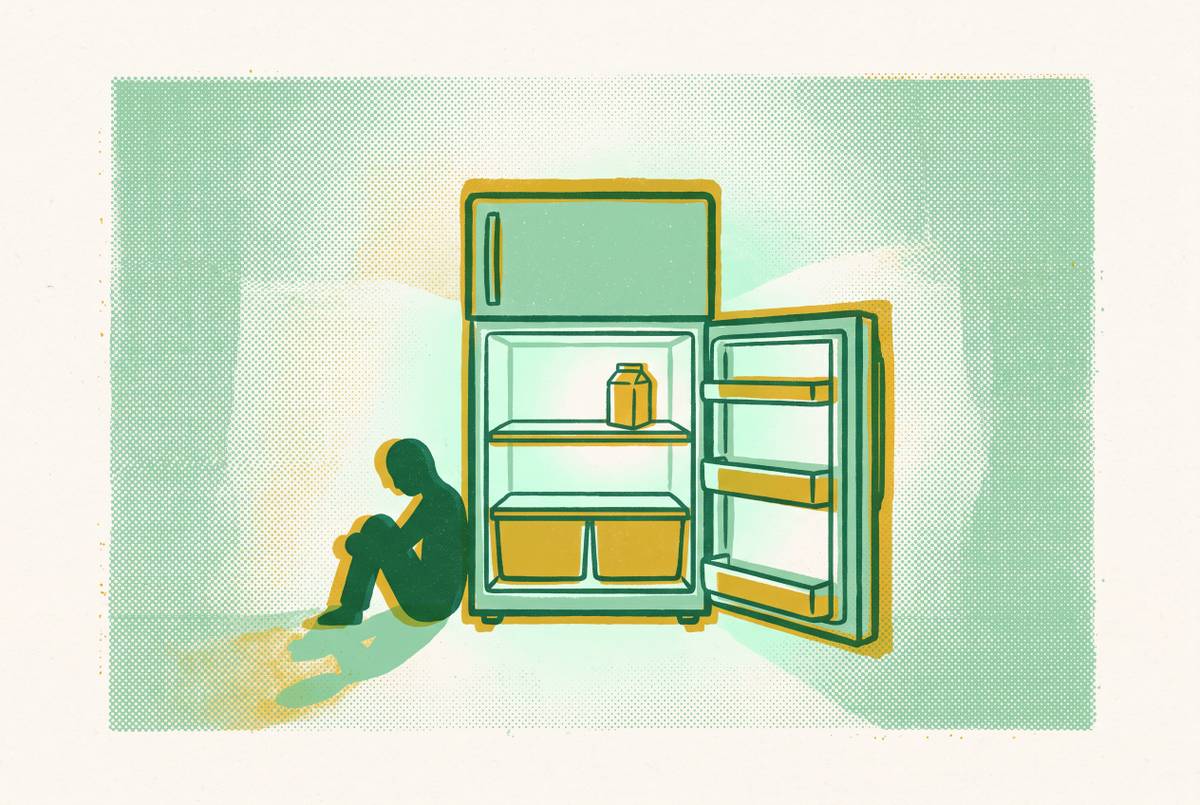
Each step to get food requires mental capacity the illness disrupts.
Housing stabilization interrupts the stress cycle that worsens mental illness and reduces mortality.
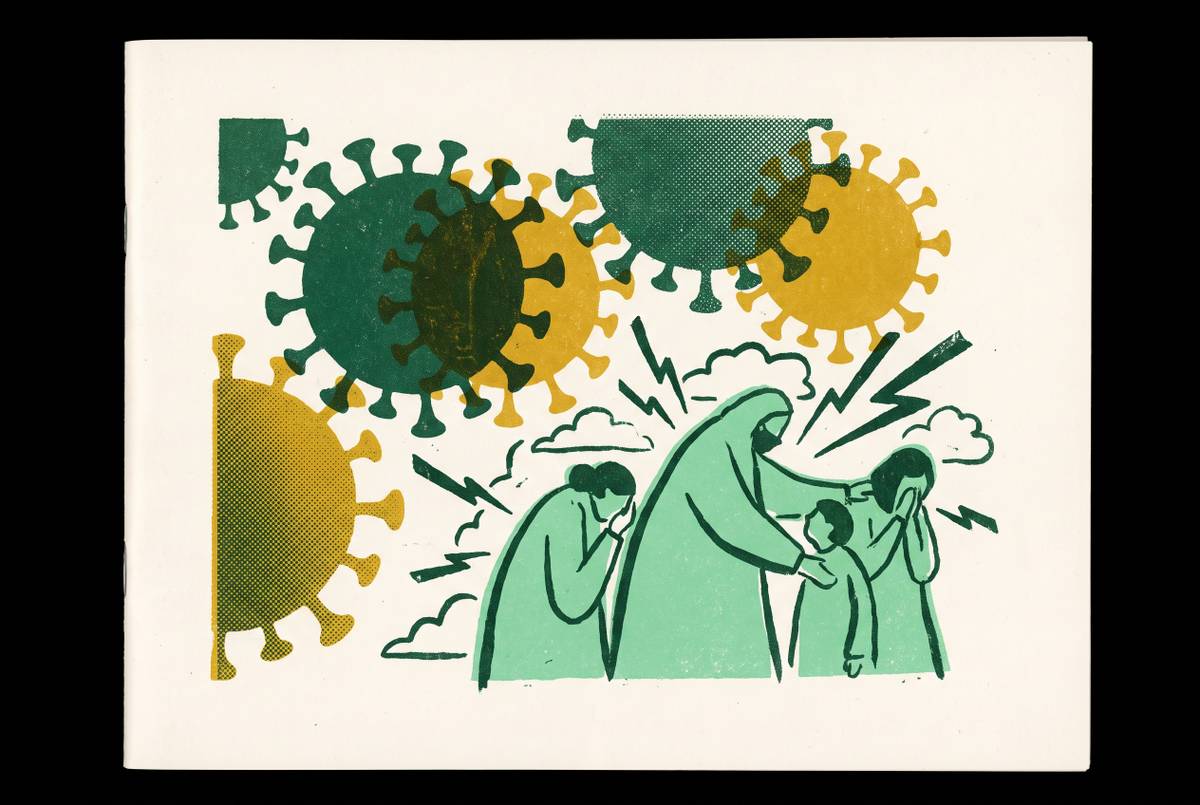
Severe flu hits immunocompromised patients harder due to blunted immune responses.
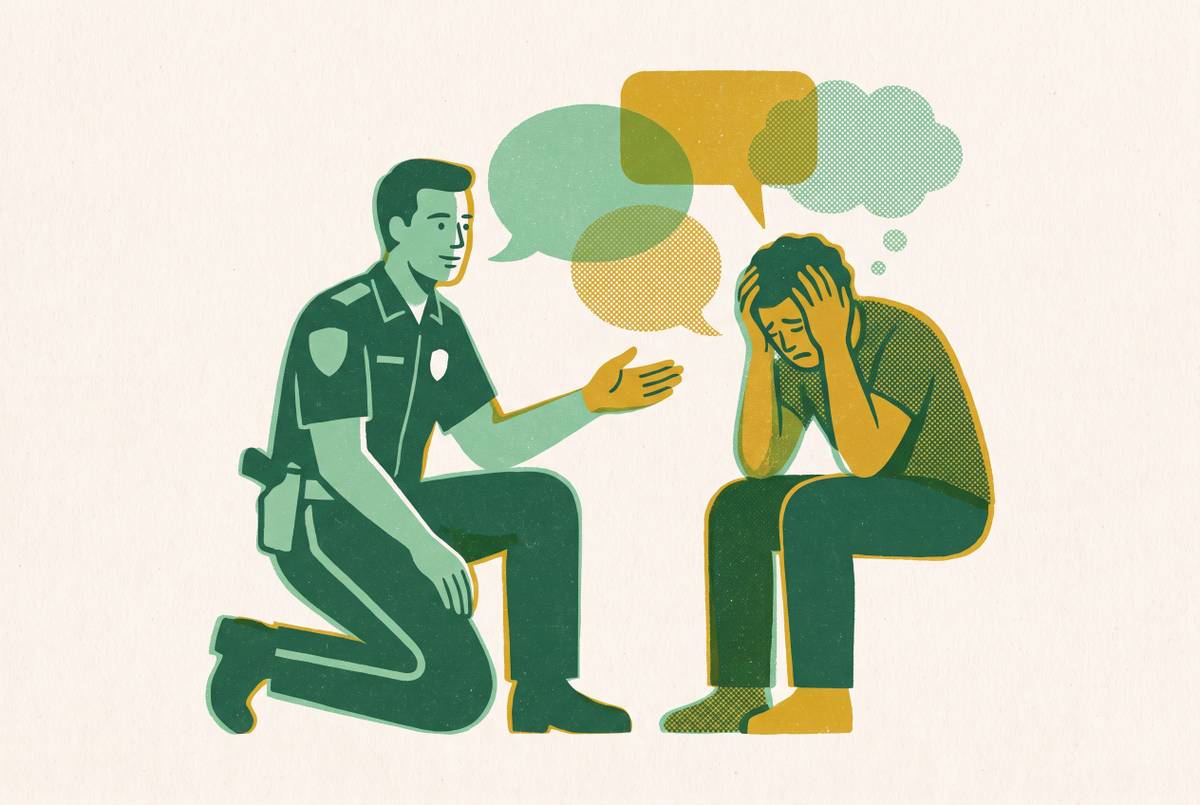
Training alone won't solve police response to mental health crises without structural changes.
Peer support workers cut psychiatric readmissions by meeting patients where they are.
The lifeline saves lives when people use it, but equity gaps and follow-up failures limit its reach.
SMI crises look different from panic attacks and need their own recognition framework.