Dual Diagnosis Programs for Co-Occurring SMI and Substance Use Disorder
Treating both conditions together prevents relapse better than separate care.
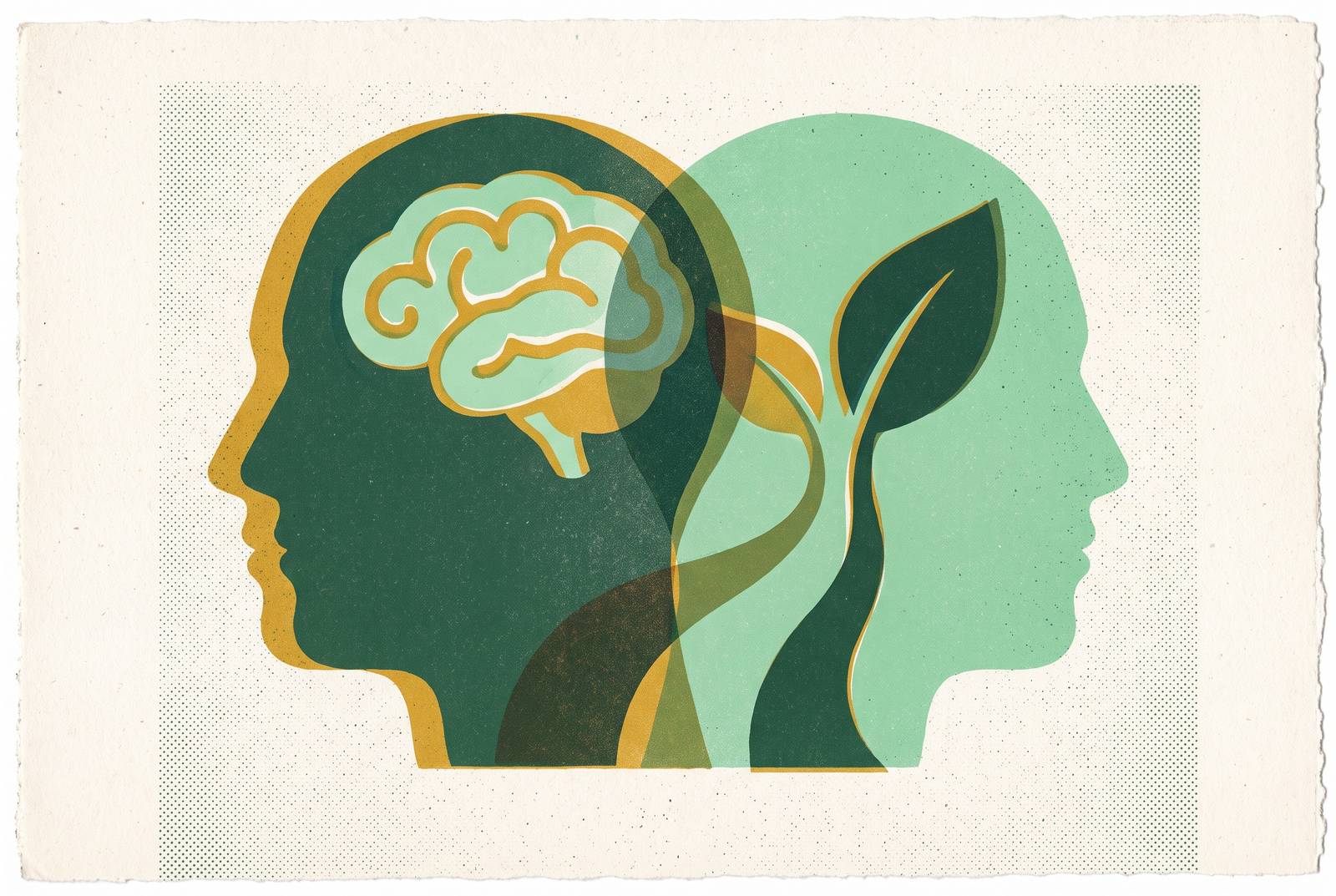
Dual diagnosis programs for co-occurring serious mental illness (SMI) and substance use disorder (SUD) address a problem that separate services cannot reliably solve. Because these conditions can worsen each other, recovery depends on treating both together. Genuine integration means more than offering two kinds of care. It means a coordinated plan, sustained trust, and practical support that makes treatment possible.
Why SMI and SUD so often appear together, and why that co-occurrence is not coincidental
Consider someone who enters an addiction program without knowing that depression is driving their substance use. They complete treatment, but the depression remains, and they return to using substances. The substance use was part of a larger problem, and that problem survived the program. Understanding this interaction is the starting point for understanding dual diagnosis.
Treatment Advocacy Center reports that nearly half of people diagnosed with the most severe psychiatric conditions also experience a substance use disorder. The relationship runs in both directions, which makes co-occurrence more than a chance overlap. Someone with untreated psychosis or mood instability may use alcohol or cannabis for short-term relief. Yet those substances can worsen psychiatric symptoms, which can then drive further use. In this self-medication loop, relief and harm become difficult to separate.
That loop also complicates diagnosis, because substance-induced symptoms can resemble a primary psychiatric illness. Treatment Advocacy Center says schizophrenia spectrum and severe bipolar disorders are the conditions most often diagnosed in people with SMI. It also describes cannabis-induced psychosis as increasingly common. Clinical assessment must therefore answer which symptoms are present and how substance use and psychiatric illness are shaping them. An incomplete answer can produce mismatched treatment.
Treatment Advocacy Center explains that alcohol, tobacco, cannabis, amphetamines, and opioids can undermine antipsychotics and mood stabilizers. Those who prescribe medication therefore need to know about substance use, including legal substances such as caffeine and supplements. The need for clarity is urgent when psychosis remains untreated. Treatment Advocacy Center warns that the longer psychosis goes untreated, the greater the risk of physical changes in the brain that affect how well treatment works over time and how people get along with others.
How the system was built to treat these conditions separately, and what that costs
Although the conditions interact, the services responsible for treating them have often been organized around their separation. Mental health treatment and substance use treatment differ in how they are licensed and funded and who staffs them. Those divisions affect who can enter a program and what care the program can provide. A clinician may recognize both needs while working within a service equipped to address only one.
Sequential care tries to manage this division by stabilizing one condition before treating the other. But the symptoms themselves can obstruct that sequence. Depression can reduce the motivation needed to attend a second program, while mania can affect the judgment needed to navigate referrals. Withdrawal can make reliable psychiatric assessment harder. The handoff assumes a degree of stability that the person may need integrated treatment to achieve.
The division becomes more damaging when entry depends on deciding which condition is “primary”. Treatment Advocacy Center describes how this requirement can leave someone turned away from both systems. Even when both services accept the person, separate providers may not learn about medication, relapse patterns, and mood changes in time. Two active treatment relationships do not necessarily amount to coordinated care. Without shared information and responsibility, each provider may hold only part of the clinical picture.
People may need inpatient psychiatric care more often, wait longer for psychiatric symptoms to go into remission, and struggle to keep taking medication, which can lead to relapse. These are not merely administrative inconveniences. They affect whether progress in one part of treatment can hold when the other condition changes. An addiction program that cannot assess, monitor, and respond to mental health symptoms leaves that relationship unmanaged. Calling the program dual diagnosis does not close the gap.
How large the unmet need is, and which populations bear the greatest burden
The gap extends well beyond people who never reach a service. Many people who need care for both conditions receive no treatment, while many who receive some care get mental health services without substance use treatment. This distinction matters because contact with a provider is not the same as having both needs addressed. Someone may be receiving psychiatric care and still have no treatment for the substance use that complicates it.
McGovern et al.’s 2012 national assessment found that only a small share of addiction treatment programs met the criteria for dual-diagnosis-capable services. An even smaller share of mental health programs met those criteria. That assessment describes a shortage of services able to manage the interaction, rather than simply a shortage of separate appointments. For a person refused by both systems, another referral may reproduce the same barrier.
Vulnerable and marginalized groups bear a disproportionate burden of co-occurring disorders and worse outcomes than people with either condition alone. Active substance use can create a further barrier for people with SMI who need medication. Treatment Advocacy Center reports that some providers are reluctant to prescribe antipsychotics to someone who is actively using substances. This can leave psychosis untreated precisely when both conditions require attention. The scale of unmet need is thus inseparable from its pattern, because people with overlapping needs can be the least well served by divided programs.
What integrated treatment actually looks like in practice
Entering an integrated program differs from receiving two referrals because one team takes responsibility for the relationship between the conditions. The team evaluates mental health and substance use together, establishes shared priorities, and updates a coordinated plan as the person’s condition changes. Treatment Advocacy Center describes integrated dual disorder treatment (IDDT) as an evidence-based protocol that brings medication together with psychological, educational, and social interventions. Integration lies in how those parts work together. It is not established simply by making them available.
Within that plan, motivational interviewing helps a person connect ongoing treatment with a better quality of life. Medication-assisted treatment uses prescribed medicine to help people through withdrawal, ease cravings, and help them recover from substance use disorders. Its coordination with psychiatric medication management helps keep the two forms of treatment from working at cross-purposes. Individualized planning accounts for the psychiatric diagnosis, the substances involved, social circumstances, and current stability. Those differences shape both the treatment and the level of care.
Cognitive behavioral therapy (CBT) has an extensive evidence base for mental health conditions and SUD separately, but findings in dual diagnosis are more qualified. CBT-based interventions have shown some improvement in mental health or substance use symptoms without consistently outperforming standard addiction approaches. That supports a measured role for CBT as a component of integrated care. A useful therapy does not remove the need for medication oversight or coordinated assessment.
Peer support is another key part of care, in which a trained person in recovery supports someone who is earlier in their healing process. Group meetings, including AA, NA, and mental-health-focused peer groups, can provide sustained community and accountability. These forms of support address participation in care. The practical test is who assesses both conditions, keeps track of changes, handles concerns about medication, and brings the full plan together. A clear answer names the team in charge, so the person does not have to link separate services themselves.
Why peer support is not a supplement to integrated treatment but a structural part of how it works
A coordinated plan still depends on someone being able to disclose what is happening and remain engaged. Shame, social anxiety, and fear of judgment can make both difficult. Peer support can help here because peers share experience of these conditions. Trust can make it easier to talk about substance use and psychiatric symptoms, which makes people more likely to stay in care. Peer support therefore addresses a condition on which the rest of treatment depends.
This does not mean that shared experience replaces clinical training or that every peer intervention produces the same results. Evidence on peer support shows mixed but generally positive associations with recovery orientation and engagement. Evidence for hope and empowerment as separate outcomes is more limited or inconsistent. That distinction keeps the argument precise. Peer support earns its place through its contribution to engagement, without requiring a claim that it reliably improves every aspect of recovery.
The PeerTECH trial offers a specific example of peers taking an active role in illness management. Certified Peer Support Specialists delivered a 12-session digital intervention adapted from Integrated Illness Management and Recovery. The trial demonstrated feasibility, acceptability, and effectiveness in improving medical and psychiatric self-management for people with SMI and chronic comorbidities. The trial shows that peer-delivered support can be part of structured self-management in a population broader than dual diagnosis, which limits its specific relevance here.
The same relational role can extend into community support for housing, food, medication, and appointments. Here, trust helps connect a person with the conditions needed to participate in care. A person’s willingness to engage matters, but willingness alone cannot provide a home or a way to reach an appointment.
Why unaddressed social needs — housing, food, transportation — make integrated clinical treatment fail even when it exists
Transportation barriers can delay or prevent medical visits even when a suitable program is available. Unstable housing can make it hard to take medication on schedule and cause chronic stress that makes psychiatric and substance use symptoms worse. Food insecurity also makes it harder to keep taking medication. These needs act directly on attendance, medication routines, and continued engagement.
Treatment Advocacy Center describes how substance use affects sleep and generates financial stress that further destabilizes medication routines. For someone who already struggles to keep up with treatment while living in unstable housing, those disruptions make it harder still. Clinical care may be coordinated while the conditions needed to follow it remain unsettled. In that situation, integration within the program is necessary but incomplete.
Connecting someone with housing, food, or transportation support is therefore part of the health intervention. It creates conditions in which clinical treatment can be sustained. This does not turn a dual diagnosis program into a housing-policy program, nor does it make social support a replacement for psychiatric or addiction care. It makes practical assistance part of the same treatment logic. These needs require follow-through.
Where to find integrated dual diagnosis programs and what to look for before committing
Certified Community Behavioral Health Clinics (CCBHCs) are one place to start looking for integrated care. Treatment Advocacy Center explains that CCBHCs, funded by SAMHSA grants or Medicaid Prospective Payment System reimbursement, are required to provide combined mental health and SUD treatment. Individuals and families can search for CCBHC options by state. That requirement gives people more to go on than a program label alone. The next step is to establish how a particular service delivers the care.
Before admission, ask who assesses both conditions and whether that means one team or two separate referrals. Ask who monitors psychiatric symptoms and substance use, and how frequently. Medication questions should establish who manages concerns and coordinates psychiatric and addiction prescribing. The program should also be able to explain whether there is one coordinated plan or parallel plans that may conflict.
Ask whether trained peers have lived experience of SMI or SUD, and whether someone follows through after connecting people with help for housing, food, and transportation. Placement should account for substance use severity, psychiatric symptoms, withdrawal risk, medication needs, safety, and the person’s capacity to engage with outpatient care. A program offering only one level of care cannot fit the full range of dual diagnosis needs. Shame, social anxiety, and fear of judgment also belong in this assessment as clinical factors.
An initial demand to establish which condition is “primary” is a warning that separation may still govern access. Likewise, a dual diagnosis label cannot guarantee psychiatric staffing, medication oversight, or coordinated communication. What matters is whether the program can treat the interaction while helping the person stay connected to care. When that integration works, recovery can include improved symptom management, reduced substance use, and more sustained participation in treatment. Those outcomes are not guaranteed, but coordinated clinical, peer, and practical support makes them a realistic possibility.
Sources
- Substance Use Disorder: Dual diagnosis SMI care -TAC
- Cognitive Behavioural Therapy and Dual Diagnosis: A Systematic Review Exploring Its Effectiveness and Implications for Nursing Practice
- [ 1 ] DUAL DIAGNOSIS: Serious Mental Illness and Co-Occurring Substance
- Scope, quality and inclusivity of international clinical guidelines on mental health and substance abuse in relation to dual diagnosis, social and community outcomes: a systematic review
- Integrated vs non-integrated treatment outcomes in dual diagnosis disorders: A systematic review
- The effectiveness, implementation, and experiences of peer support approaches for mental health: a systematic umbrella review